
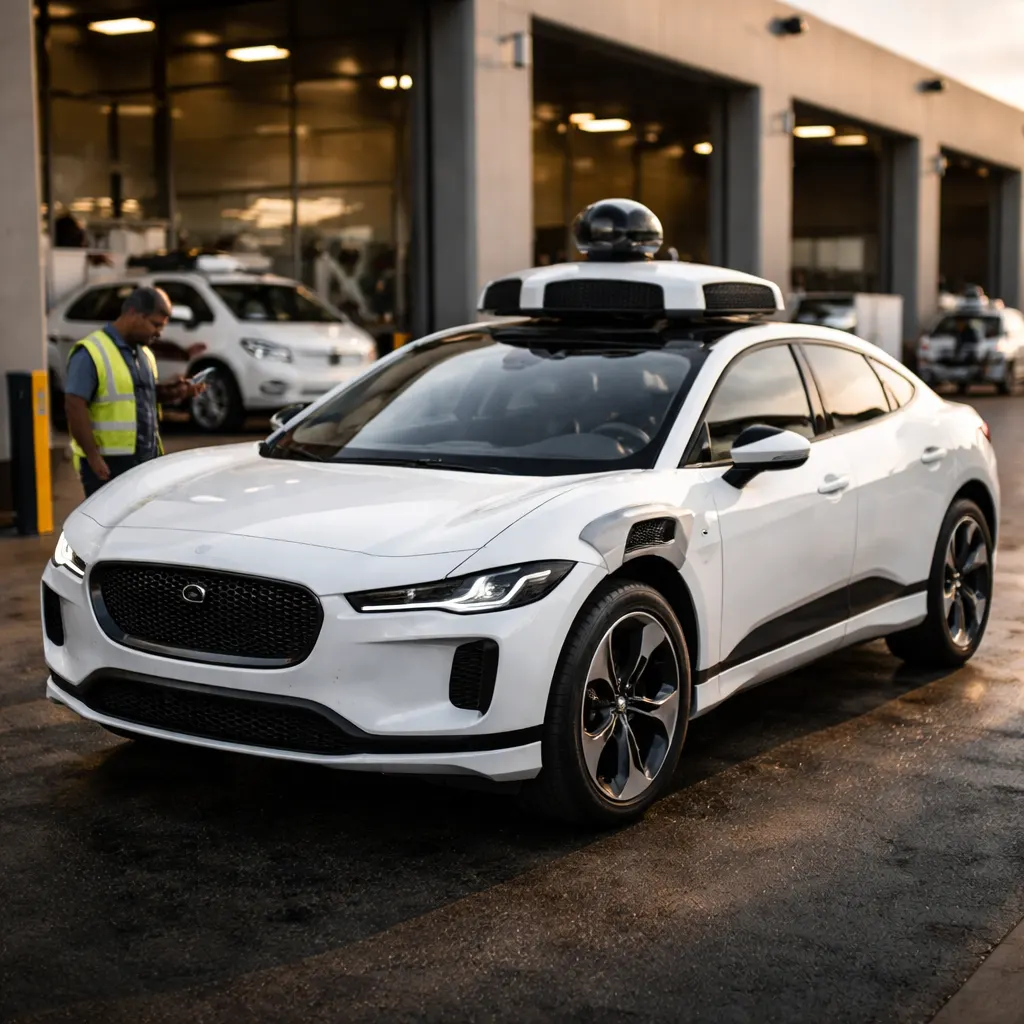
Lyft riders in Nashville, Tennessee, can now be matched with self-driving vehicles through a new partnership with Waymo, the autonomous vehicle developer, according to a report published this week by Wired. The collaboration integrates driverless rides into Lyft's app and represents the ride-hail company's first partnership with a self-driving operator as large as Waymo, which runs robotaxi services across 14 US metropolitan areas. Both companies maintain that human drivers will work alongside autonomous vehicles in a "hybrid network" for the foreseeable future, though the shift poses obvious challenges for millions of professional drivers nationwide.
At Lyft's Nashville operations depot, where Waymo vehicles are cleaned, maintained, and positioned throughout the city, half of the 72 employees are former Lyft drivers, the company reports. Former drivers make up 35 percent of Lyft's Flexdrive workforce, which currently operates in 30 US cities. In Washington, DC, where Waymo has sought approval to launch service for months, the company estimates it will employ "hundreds" of workers if its cars receive authorization, while roughly 3,200 taxi and ride-hail drivers currently work in the District. To address this gap, Waymo has proposed redirecting a portion of its DC revenue toward a fund for vocational training and workforce development to help drivers transition to other careers.
Jeremy Bird, Lyft's executive vice president of global growth, says the company has held autonomous vehicle-themed driver forums and appreciation events to maintain open dialogue with its hundreds of thousands of US drivers. Bird argues that adding Waymos to the Lyft platform will give riders more options and increase supply, which should lower fares. During a recent earnings call, Lyft executives cited data from San Francisco—where the company doesn't offer driverless rides—to suggest that autonomous vehicles won't reduce the number of trips human drivers complete. Lyft spokesperson Cristian Delgado confirms that hiring former drivers "is an effort we will continue to be very intentional about as AVs become a growing part of the fleet."
The transition from driver to fleet operations worker illustrates both the promise and limits of job replacement in the autonomous vehicle era. Jonathan Baines, who started driving for Lyft in 2016 to supplement his income as a singer-songwriter, now oversees workers cleaning Waymos and ensuring they meet performance standards—a role he describes as "more fun than retail." While he misses the "small business" aspect of working as an independent contractor, Baines is already thinking ahead to owning his own autonomous vehicle that could earn money without his presence. Yet the math doesn't add up cleanly: even with an 80,000-square-foot purpose-built depot set to open in Nashville this October, the new maintenance and operations jobs can't neatly replace the driving positions they eliminate. For business leaders and policymakers, the question isn't whether this transformation will happen, but whether the transition infrastructure—retraining funds, hiring pipelines, and honest communication—will keep pace with the technology itself. The robotaxi rollout may test whether gig economy companies can manage workforce disruption as skillfully as they've managed logistics.