
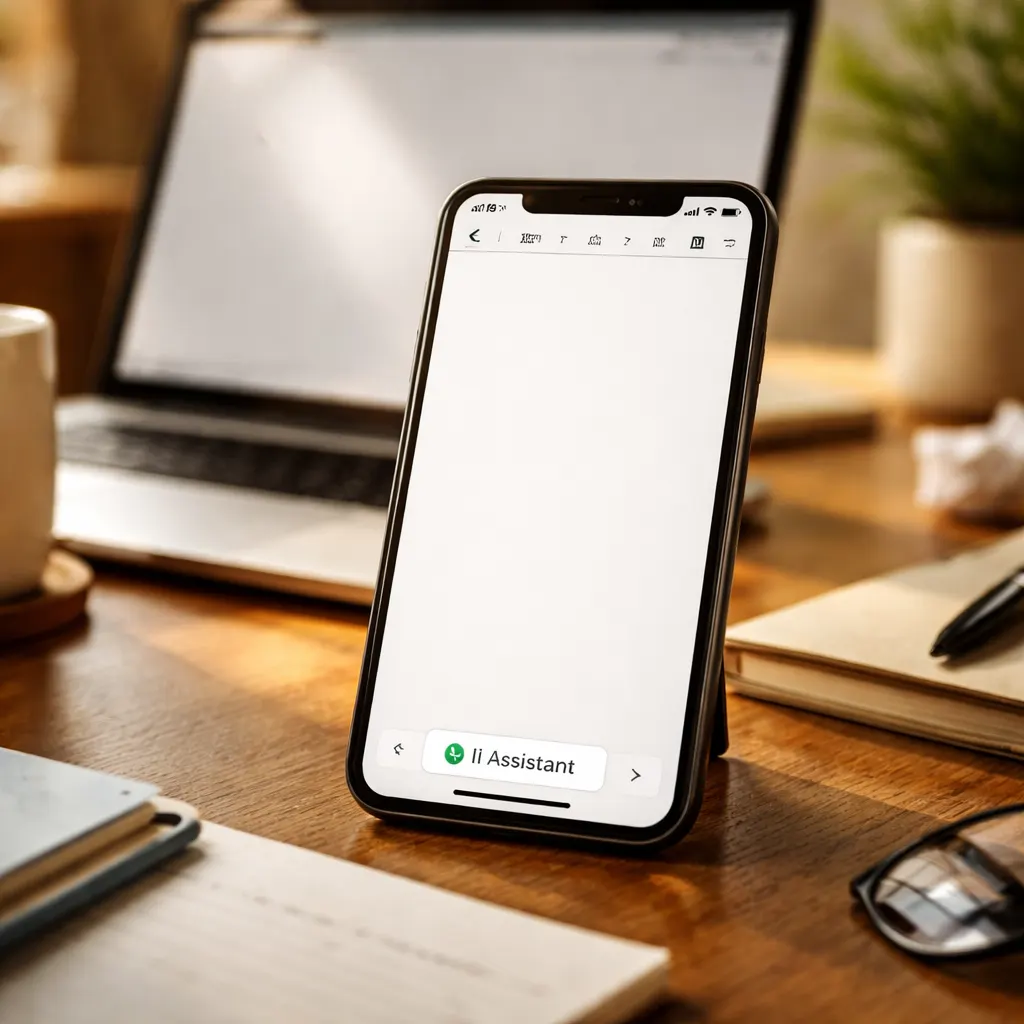
Online publishing platform Medium rolled out a new application called TK on Monday, designed to embed AI technology directly into the writing process. The app allows writers to summon an AI assistant by typing "@TK" followed by a question or instruction, bringing automated help into the editor itself rather than requiring users to switch between windows. Medium positions the tool as a way to make it simpler to transform concepts into finished prose, borrowing its name from the journalism placeholder "TK"—short for "to come"—that marks spots where information will be added later.
The AI assistant can handle tasks ranging from simple lookups, such as how many days are in a given month, to retrieving fragments of text users had previously saved while developing their ideas. Medium says the tool will launch with specialized capabilities for editorial feedback, headline critique, and matching drafts to style guides used by Medium publications. Beyond writing assistance, TK helps users recall and organize earlier work, suggests writing prompts, and includes a social layer where writers can share early drafts for human feedback. The app is available on the web at launch, with a desktop version on the roadmap, and supports Markdown import and export though it's not a Markdown editor itself.
Medium's decision to integrate AI assistance at the earliest stages of composition arrives as the publishing and literary industries grapple with the role of artificial intelligence in creating long-form content. According to the company, "artificial intelligence makes writing more important, not less," and the technology "has the power to amplify human intelligence" using the written word as its foundation. Still, Medium acknowledges the technology raises concerns about low-quality content and blurred lines between human and AI authorship. To address transparency issues, TK lets authors publish notes that explain how AI was used in their work—what the company describes as "a start of what we believe is required to publish in the AI era, which is to make the provenance of writing clear, transparent, and inspectable, right down to the prompting and source material."
The launch comes at a moment when multiple authors have lost book contracts over suspicions they used AI to write their manuscripts, while literary awards have faced scrutiny when winners were suspected of writing with AI help. While automated proofreading and light grammar tools have long been standard, growing worry exists across publishing that an AI assistant's editorial suggestions can become the writing itself rather than reflecting the author's original thoughts. Questions also persist about whether AI detection tools can reliably distinguish between text written with AI versus text created through AI assistance versus fully human writing, since AI models were trained on human prose to begin with. The app can optionally connect to a user's own AI agent through TK's MCP server or Claude skill, allowing the app to understand projects, positions, and ideas stored in the agent's memory. Writing in TK is not encrypted since the app is built for collaboration, though users can set access control permissions. Medium, which is profitable, will offer TK as a free tool for anyone with a Medium account.
The company is essentially betting that the nuances distinguishing AI-written from AI-assisted content will eventually cease to matter, choosing to celebrate what automation brings to writing rather than retreat from the debate. For publishers and platforms, the calculation hinges on whether transparency features can sustain trust even as the boundary between human thought and machine suggestion grows harder to trace.