
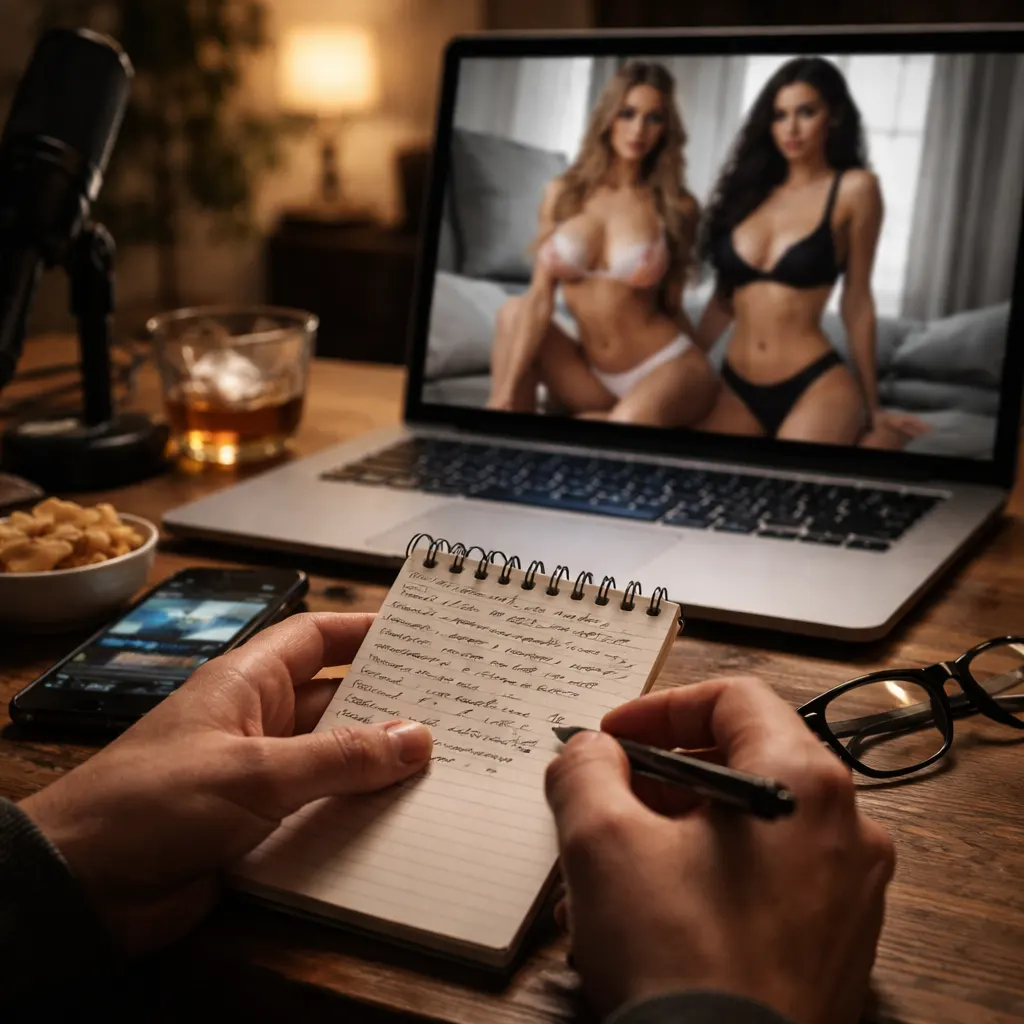
Stand-up comedian Julia Jasunas discovered last week that a purported Instagram influencer named Aylen Skye—a blonde with 250,000 followers—had replicated her joke verbatim, down to the pauses and filler words, according to a report published by WIRED. After examining Skye's profile, which redirects viewers to subscription-based adult content on Fanvue, Jasunas concluded the account was AI-generated. The report identifies a pattern of artificial intelligence-created "hot girl" accounts copying successful stand-up routines to attract audiences and funnel them toward monetized platforms.
WIRED identified eight comedians whose material has been stolen by scantily dressed, AI-generated women, many of whom follow one another on social media. The synthetic accounts replicate already-viral stand-up clips but feature superior production values—better lighting, sound quality, and revealing outfits designed to maximize engagement. One such account, Tiffany Sloane, launched in August and quickly accumulated over 375,000 Instagram followers, plus presences on TikTok and Facebook that writer Ryan Broderick described as "a super horny AI-generated short-form video content farm." Comedian George Brett Olson posted a viral comparison showing Sloane's near-identical recreation of his joke about Republican immigration rhetoric, filmed in front of the same backdrop and wearing similar salmon-colored clothing. The AI accounts also publish fabricated late-night talk show interviews with hosts like Conan O'Brien and Jimmy Kimmel, alongside occasional racist or transphobic material aimed at conservative audiences.
When comedians reported the theft to Meta, the company responded that the videos did not breach community guidelines because the AI personas weren't impersonating the original performers—only appropriating their material. Instagram head Adam Mosseri told Olson the platform was "very invested in trying to drive more traffic to original content creators" and acknowledged it would be beneficial to address AI creators "ripping off content wholesale," but stated he didn't consider it "practical for us to try and ban AI content" from Meta. According to the report, some AI-generated accounts now carry labels identifying them as synthetic, though enforcement remains inconsistent, and all flagged accounts remain active. Comedian Mandy Martino, another victim of the theft, warns that "AI is evolving very fast, and we need rules to protect creators before this becomes a bigger issue."
Legal recourse remains limited because jokes historically receive minimal copyright protection, partly due to stand-up comedy's transient nature and the reality that many setups and punchlines have circulated through the industry with slight variations for years. Aaron Perzanowski, a law professor at the University of Michigan, told NPR in 2017 that low financial stakes in comedy discourage litigation—a point echoed by an intellectual property attorney Olson consulted, who reportedly said pursuing legal action wasn't worthwhile unless Sloane was earning millions from OnlyFans. The negative response from comedians contrasts sharply with some tech industry figures: Andreessen Horowitz partner Justine Moore publicly praised Sloane on X, calling the AI persona's strategy "a genius marketing hack." Olson questions whether audiences even care about the human artists behind the jokes they consume, noting that Sloane's 350,000 followers suggest "the answer is clearly no," which he finds "really demoralizing." The clash between platform policies designed for human impersonation and the reality of wholesale content theft by synthetic entities leaves creators with few tools to protect their work. For comedians whose livelihoods depend on original material going viral, watching AI replicas outperform them with stolen routines while directing profits elsewhere represents both an economic threat and a philosophical challenge to the value of human creativity.