
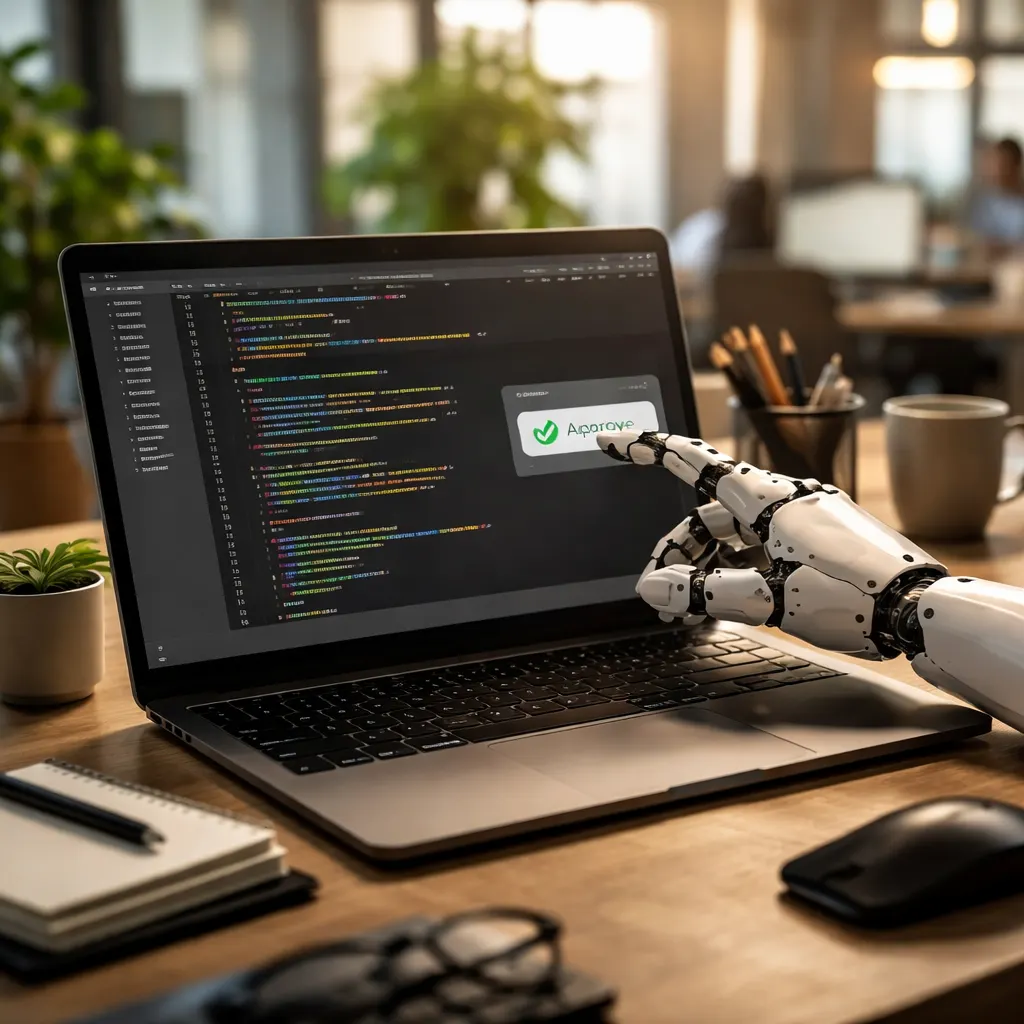
Anthropic has shifted from having its AI write code to letting it decide when that code ships. On Monday, the newly public AI company unveiled Claude Ship, a collection of AI agents designed to automate code reviews, fixes, and approvals of routine code changes. The standout feature is an agent that can greenlight code changes on its own, following policies established by a development team.
Claude Ship launches in beta with three components: Code Review, now broadly available, plus two new agents in beta testing called PR Steward and Claude Approvals. PR Steward tackles problems like failing CI checks, merge conflicts, and feedback from Code Review, commenting after each push about what changed and how to reverse it if necessary. Claude Approvals then enforces an approval policy that teams write as a file in their repository, incorporating signals such as Code Review findings or the company's own classifiers, with policies written in everyday language. The suite rolls out to Claude Team and Enterprise plans for repositories on GitHub.
According to a company blog post, the motivation is clear: "Most teams want a person to approve every change, and that's easy to keep up with when people write every line. But a lot of developers build with agents now." The post continues, "On the Claude Code team, Claude writes most of our code, and we wanted everything after the PR to move that fast too." Anthropic recommends running the approval function in observe-only mode initially, and teams can start with just one repository while setting monthly spending caps for greater oversight.
The launch addresses a bottleneck created by AI coding agents becoming increasingly capable of generating large volumes of code, which then creates logjams in reviewing and approving those changes before deployment. The concept behind Claude Ship is to automate even more of the work involved in development by handing approval authority to an AI agent itself. Teams keep control over where Claude Ship operates, which review settings to apply—Quick, Standard, or Deep—and which changes require human escalation.
Anthropic says teams will maintain oversight throughout the process, choosing their review depth and deciding when to elevate decisions to a person. Because the offering remains in beta, the company suggests starting cautiously with observation mode and limited repositories. By delegating routine approvals to AI while preserving human judgment for complex decisions, the tool aims to match the speed of AI-generated code with equally fast validation, letting development teams move from pull request to production without manual review becoming the slowest step. The industry has long accepted that AI can write code competently, but trusting machines to judge their own output and authorize its release marks a threshold that will challenge established quality assurance norms and force teams to rethink where human oversight truly adds irreplaceable value.