
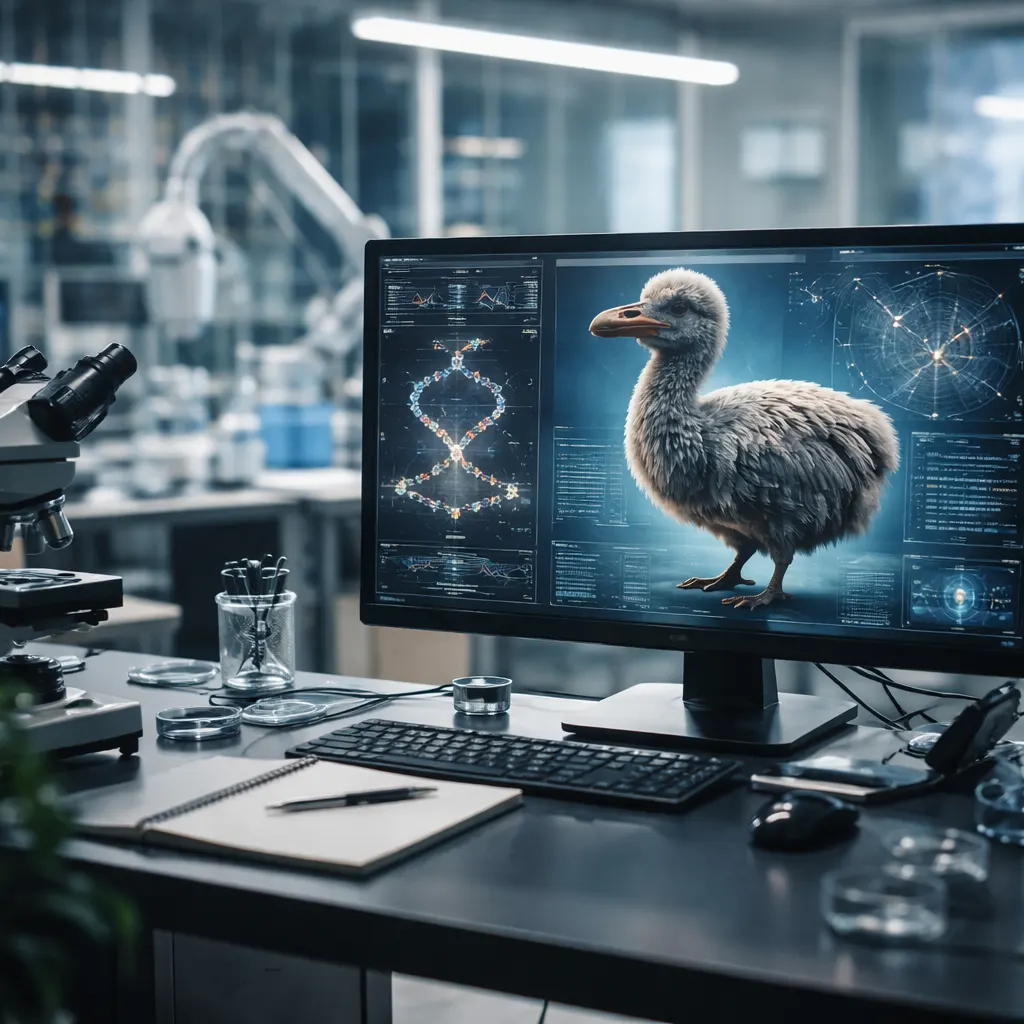
Colossal Biosciences unveiled Wednesday an artificial intelligence platform designed to accelerate its work reviving extinct species by identifying which genes to edit when ancient DNA samples are scarce, TechCrunch can exclusively report. The system, named GenoMorph, combines three-dimensional morphology analysis, comparative genomics, and developmental biology to pinpoint genetic targets for de-extinction programs. The company is deploying the platform for its dodo bird project, where limited genetic material has created a major obstacle.
The platform has already flagged roughly 2,300 DNA editing candidates related to the dodo's skull and facial shape that researchers can now evaluate in laboratory settings, according to Colossal CEO and co-founder Ben Lamm. To construct GenoMorph, the firm gathered developmental information from chickens, quail, ducks, and pigeons, then merged it with genetic data and three-dimensional skull measurements spanning over 70 bird species. The company is working with just a single dodo genome, a stark contrast to the 100 genomes obtained for its woolly mammoth resurrection effort. DNA from woolly mammoths remains more abundant because frigid environments where the animals lived preserve genetic material far better than tropical climates where the dodo existed, the company explained. Colossal also announced that its Nicobar pigeon colony has grown to 36 birds and that researchers have successfully generated the fundamental cells that develop into eggs and sperm.
"Normally, scientists can compare many genomes to understand which genetic differences are responsible for certain traits," Lamm told TechCrunch. "We don't have that luxury with ancient DNA from extinct species whose DNA is severely limited." He described the AI as learning which DNA regions become active as various birds develop their beaks and facial features, then using that knowledge to forecast which genetic switches might have produced the dodo's distinctive look. Lamm characterized the platform as a "treasure map for the dodo genome," enabling the team to focus on genetic differences that actually matter rather than sifting through countless possibilities. The company has also created a delivery method using lipid nanoparticles to transport gene-editing tools straight into developing bird embryos, allowing scientists to observe how particular genetic modifications affect a bird's development without waiting for an entire breeding cycle until birds reach sexual maturity.
GenoMorph tackles what Lamm identified as one of the company's biggest bottlenecks in de-extinction work: determining which changes actually make an extinct species unique. The artificial intelligence learns patterns from living bird species to predict which genetic switches controlled the dodo's iconic appearance, even when researchers have access to only one complete dodo genome compared to the many genomes typically needed for comparative analysis. Because the Nicobar pigeon is the dodo's closest living relative, the essential reproductive cells the company has created represent a critical component of the strategy for producing birds carrying dodo characteristics. The development took more than a year and builds on the company's accumulated experience in de-extinction science.
Colossal's next step is proving GenoMorph's predictions through laboratory testing. The company is approaching a stage where different technologies it has developed are beginning to work together and support projects across completely different branches of the tree of life, Lamm said. When asked about the safety of this gene-editing approach, he noted that GenoMorph's purpose is making genetic engineering "more precise, controlled, and testable," and that the product doesn't perform gene edits itself but rather helps the team determine which genetic changes merit investigation. The technology has already attracted backing from XPRIZE founder Peter Diamandis, an investor in Colossal who announced Wednesday the launch of a new venture capital firm, NeoGenesis Capital, to fund companies leveraging Colossal Biosciences' programmable biology platform across health, agriculture, and conservation sectors. The convergence of artificial intelligence with developmental biology may reshape how companies approach not just species restoration but broader genetic engineering challenges where traditional comparative genomics falls short. Precision targeting of genetic edits based on morphological predictions could also influence regulatory conversations around engineered organisms if the approach demonstrates repeatable accuracy.