
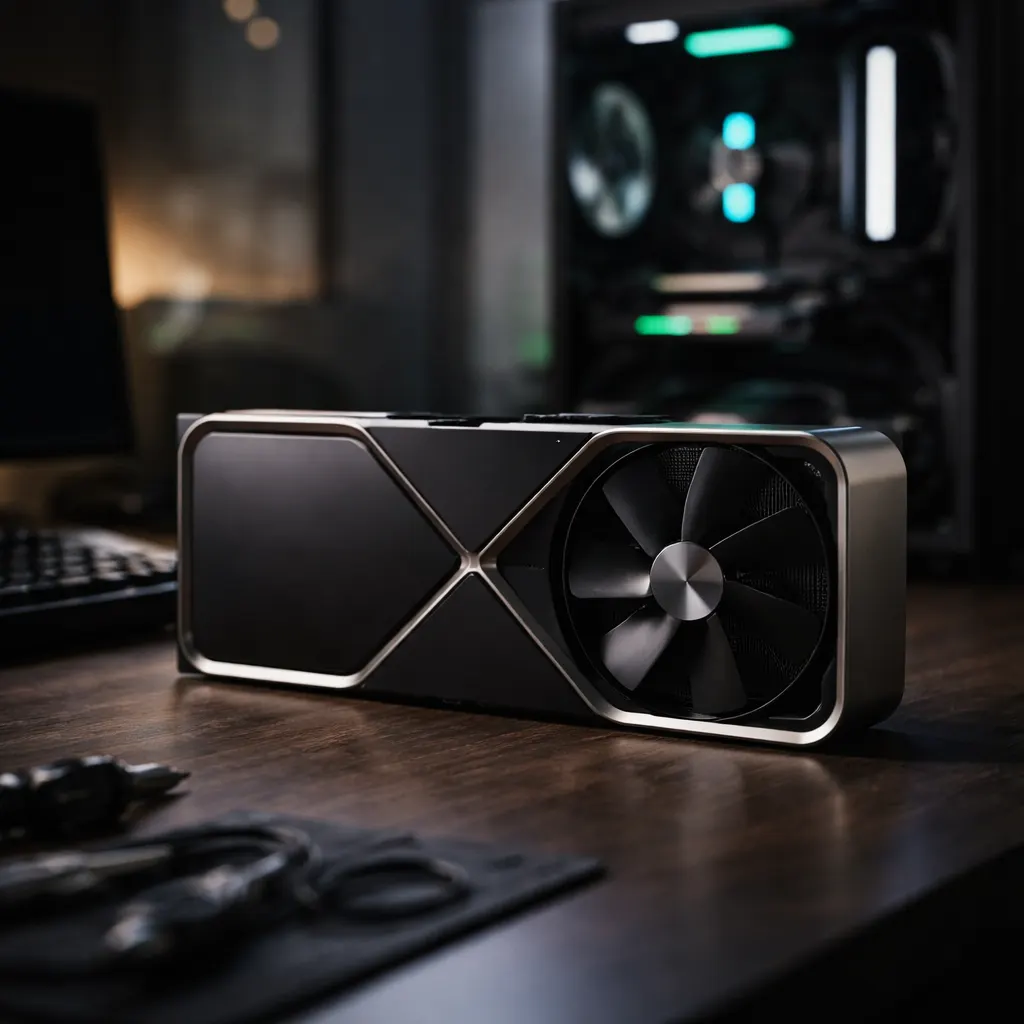
Nvidia will expand its controversial DLSS 5 AI rendering technology to older RTX 40-series graphics cards later this year, reversing an initial plan to keep the feature exclusive to its newest RTX 50 GPUs, according to a report published by The Verge. The shift follows modders successfully porting a leaked build of the software to run on earlier hardware, pushing sliders to maximum settings. The company's announcement confirms that RTX 50-series optimization remains the immediate priority, with RTX 40-series support expected after fall model updates.
Nvidia spokesperson Rajal Maharaj told The Verge the company's current focus centers on optimizing performance for the GeForce RTX 50 Series, with model updates anticipated later this fall, followed by work to expand official support to the GeForce RTX 40 Series once RTX 50 Series performance reaches full tuning. Gamers won't receive full control over DLSS 5's sliders the way modders already have—the feature remains a simple on-or-off toggle for players, while more granular artistic controls including model selection, Structure Intensity, Tone Intensity, automatic masking, and custom per-pixel masking stay reserved for developers. Earlier RTX 30 and RTX 20-series GPUs, which modders also targeted with mixed results including unplayable frame rates and numerous crashes, aren't part of Nvidia's current expansion roadmap, with the company indicating its focus stays on 50-series hardware before potentially examining 40-series compatibility.
According to the report, developers could pass along certain controls through their own settings menus, similar to how other graphics technology evolved—early DLSS Super Resolution functioned as an on/off toggle, but today's games let players choose between varying quality levels or even exact percentages depending on the title. The technology offers straightforward integration because developers don't need to label which objects are "silverware" versus "furniture"—the AI models automatically recognize and isolate objects in a scene, distinguishing faces, textiles, foliage, and more to apply different amounts of processing. Nvidia's DLSS 5 models run on every single frame, eliminating any minimum frame rate requirement for functionality.
The rollout uncertainty extends to the software's game library, with Nvidia declining to reconfirm whether previously announced titles including Assassin's Creed Shadows, Hogwarts Legacy, Starfield, Resident Evil Requiem, and eight other games remain committed to the technology. The company responded only that more games are coming, with many developers actively integrating DLSS 5, promising updates on upcoming titles as partners finalize their integrations—language the report suggests may indicate some companies have backed away following early backlash. For targeted control, semantic AI masking can automatically recognize scene objects, while engine-level masking allows artists to isolate specific props or groups of assets such as glassware, water droplets, or foliage and apply custom neural lighting adjustments to those elements, with Unreal Engine 5 receiving a native plug-in and Nvidia providing SDKs for broader adoption. Developers can apply the technology across entire games or vary implementation for different scenes, cutscenes, or gameplay portions, giving studios flexibility in how they deploy the rendering feature. The open question now is whether the leak-driven policy reversal rebuilds developer confidence or whether the initial exclusivity strategy already damaged partnerships that won't easily recover. Nvidia's careful language around its game lineup suggests the company may be navigating a more fragile ecosystem than its hardware dominance would typically allow.