
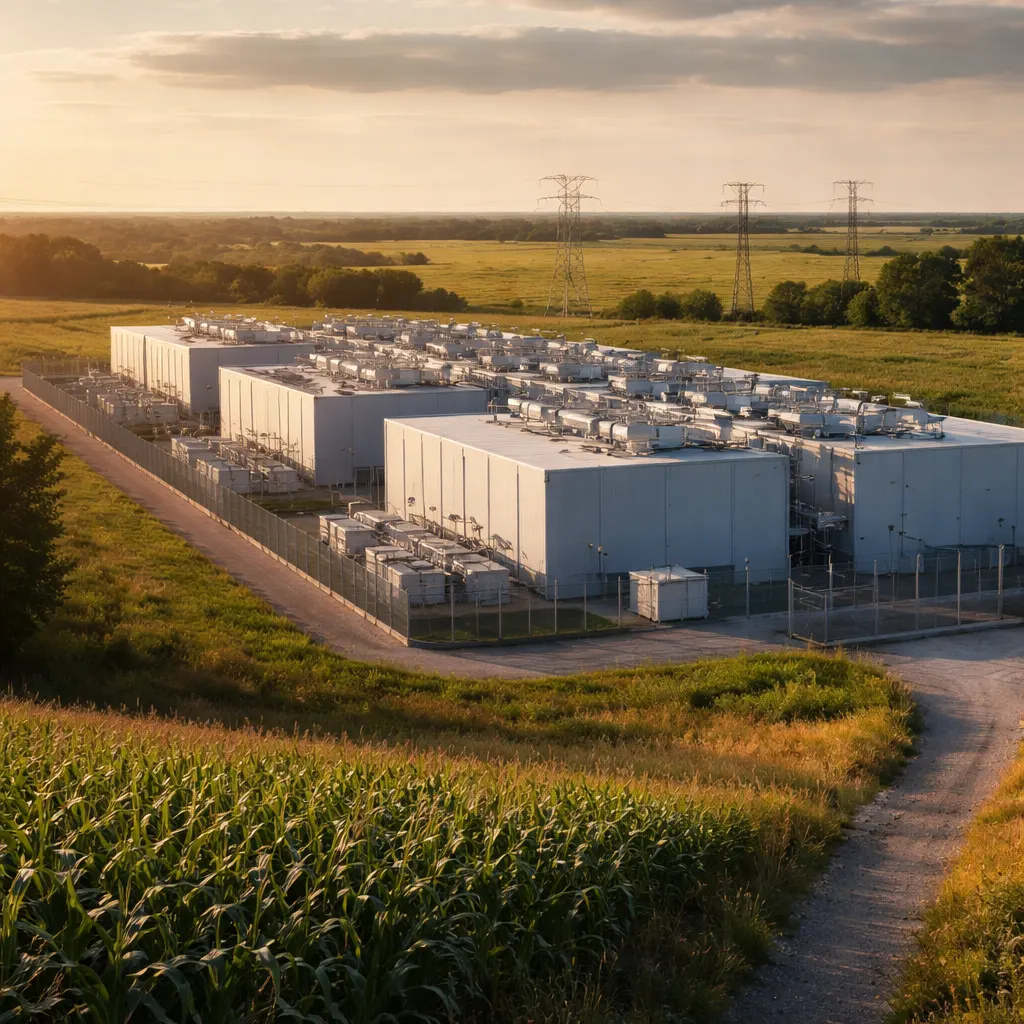
Beginning January 1, more than 100 data centers under development in rural areas could become eligible for corporate tax benefits under a program expanded by the One Big Beautiful Bill Act, according to research exclusively reviewed by Wired from the Searchlight Institute, a public policy think tank. The expanded opportunity zone program offers tax advantages to companies that choose to construct projects in certain low-income census tracts in rural locations. While just 13 percent of operating data centers sit in rural areas, around 67 percent of planned facilities are heading to rural communities, according to separate research from Pew.
The Searchlight Institute compared the locations of data center projects in development with rural census tracts eligible for the new program, using a conservative database of under 700 data center projects that are planned or under construction. The actual number of newly eligible projects is likely larger, since other datasets place the number of data centers in development in the U.S. closer to 1,500. The government estimates that the expansion of the opportunity zone program to rural areas will cost $40.9 billion over the next decade. Searchlight's research identified several big names—including Meta, Amazon, Microsoft, and Google—that are developing data centers in areas that could qualify for the new program.
Ways and Means Committee chair Jason Smith said in a statement last year that the new rules "may significantly lower barriers for large-scale, capital-intensive projects in rural areas—most notably hyperscale data centers." He added that "the economic case for building data centers in designated rural opportunity zones becomes far more compelling" with the new program. But experts caution that the outcomes for rural communities might be mixed. "Right now, the only requirement to get the benefits is capital investment," says Emily Kraschel, a tax policy analyst at the Searchlight Institute. "However, that doesn't guarantee that that money is necessarily creating jobs or creating a local economic boost."
The opportunity zone program offers no requirement for projects receiving benefits to create jobs; the assumption is that they will do so simply by locating in the community itself. Data centers may generate a number of jobs in the short term for their construction, but there's an ongoing debate about whether they create a lasting new workforce over the longer term. Nathan Jensen, a government professor at the University of Texas-Austin, says he would be "very surprised" if some companies weren't considering locating in rural opportunity zones as part of their decision-making process, calling the tax benefits "essentially free money." There's some evidence that the program has done little to actually drive investment to disadvantaged areas, and that many of the projects getting federal kickbacks would have happened even without the tax boost.
Senator Josh Hawley introduced legislation last month that would eliminate opportunity zone funding for data centers, claiming he would help "ensure Big Tech companies don't get tax breaks to build data centers on farmland." A project simply existing in a rural opportunity zone doesn't mean the company automatically will get the tax benefits; the company has to create a specialized investment vehicle to start the process. When contacted for comment, Microsoft, Meta, and Amazon all denied using the program or said they don't actively seek out land in opportunity zones for development. Google did not respond. The tax break backlash against data centers—including from rural and GOP voters—is reaching a fever pitch, as some of the most powerful companies in the world negotiate for lower tax bills while building facilities in rural communities. The tension between federal incentives and local resistance suggests regulatory clarity will become increasingly urgent as the rural data center boom accelerates.