
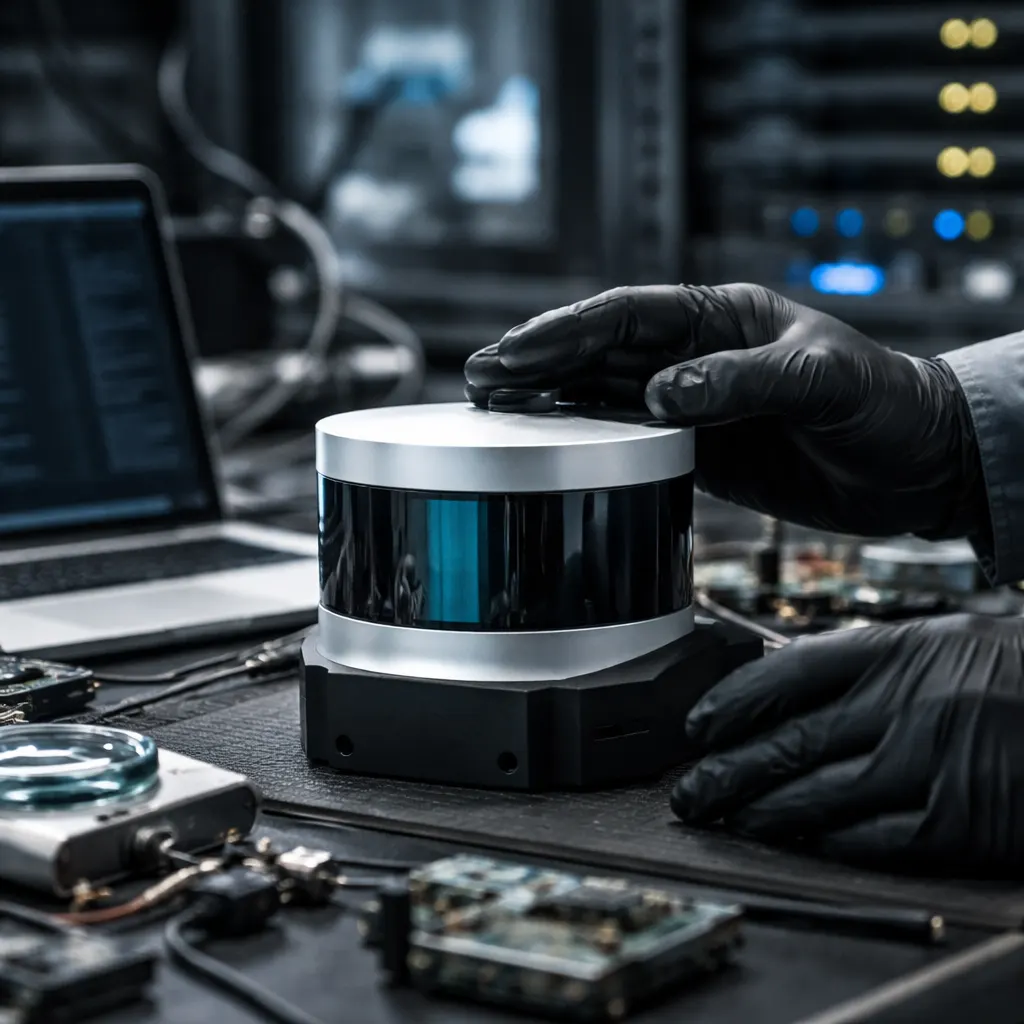
A Department of Energy laboratory is examining whether Chinese-made lidar sensors could create security vulnerabilities if they're deployed widely on U.S. vehicles, according to a TechCrunch report published August 21. The Idaho National Laboratory is conducting the assessment, which is funded by one or more companies in the electric and autonomous vehicle sectors, two sources with knowledge of the effort told the outlet. The investigation comes as multiple congressional bills seek to ban Chinese lidar technology from American roads entirely.
The lab declined to provide details about the study, telling TechCrunch in June and July that "this isn't a project that we're at liberty to discuss with reporters," according to the report. Representatives from Rivian, General Motors, Ford, Kodiak, Lucid Motors, Nuro, and Uber said they weren't aware of the review, while Nvidia, Zoox, and Aurora didn't respond to inquiries about their involvement. China's top lidar manufacturers, Hesai and RoboSense, also didn't respond to multiple requests for comment. The review's focus is primarily on cybersecurity threats rather than basic supply chain risks, the two sources indicated, and may even aim to give Chinese lidar sensors a clean assessment in this area.
Senator Tammy Baldwin, who's leading the Securing Infrastructure from Adversaries Act alongside Senator Ted Budd, told TechCrunch she's mainly worried about Chinese lidar being exploited for military or industrial espionage. "As infrastructure becomes more sophisticated, the threat Chinese LiDAR technology poses to American communities and our national security cannot be allowed to go unchecked," she stated. Congressman John Moolenaar, who's backing a separate prohibition bill, told CNBC last month he's concerned about "back doors" that could "transmit information back to these Chinese Communist interests." Omer Keilaf, CEO of Israeli lidar firm Innoviz, described two major cybersecurity scenarios: sensors could be disabled all at once, disrupting moving vehicles and disabling parked ones, or the highly detailed environmental data lidar collects could be compressed and sent via cellular chips to outside parties.
The scrutiny matters now because Chinese companies like Hesai and RoboSense have slashed lidar costs from as much as $75,000 a decade ago to just a few hundred dollars in some instances, the report notes. American lidar makers have struggled to match China's economies of scale and lower labor and capital expenses, leading to years of consolidation or, in Luminar's case, bankruptcy. That price collapse has pushed several U.S. automakers and autonomous vehicle operators to consider sourcing Chinese sensors for their self-driving systems. Rivian is reportedly among them; CEO RJ Scaringe told Reuters in March the company is weighing whether to build its own lidar in the U.S. using Chinese technology, potentially through a joint venture with other manufacturers. While U.S. firms can currently use Chinese-made lidar, the regulatory outlook is murky: the Department of Defense has added both Hesai and RoboSense to its 1260H list for allegedly aiding the People's Liberation Army, and the Commerce Department banned Chinese connectivity hardware in U.S. passenger cars in 2025, though lidar and other autonomous sensors remain exempt.
Lawmakers including Congressman Raja Krishnamoorthi have spent years warning that widespread use could let China "gather sensitive data or disrupt our systems," according to the report. For now, fears about mass shutdowns of Chinese lidar remain hypothetical, but an early 2024 incident offered a preview when Hesai customers saw their autonomous vehicles stop working for an entire day because the company hadn't properly accounted for the leap year's extra day. The Idaho National Laboratory's findings could shape whether automakers continue pursuing Chinese suppliers or shift investment toward domestic production, though the lab hasn't said when results will be released. The outcome may ultimately determine whether cost savings outweigh the security questions that have prompted both legislative action and industry-funded research. Industry momentum toward vertical integration of sensor stacks may accelerate regardless, as companies weigh geopolitical exposure against razor-thin margins in an already capital-intensive race.