
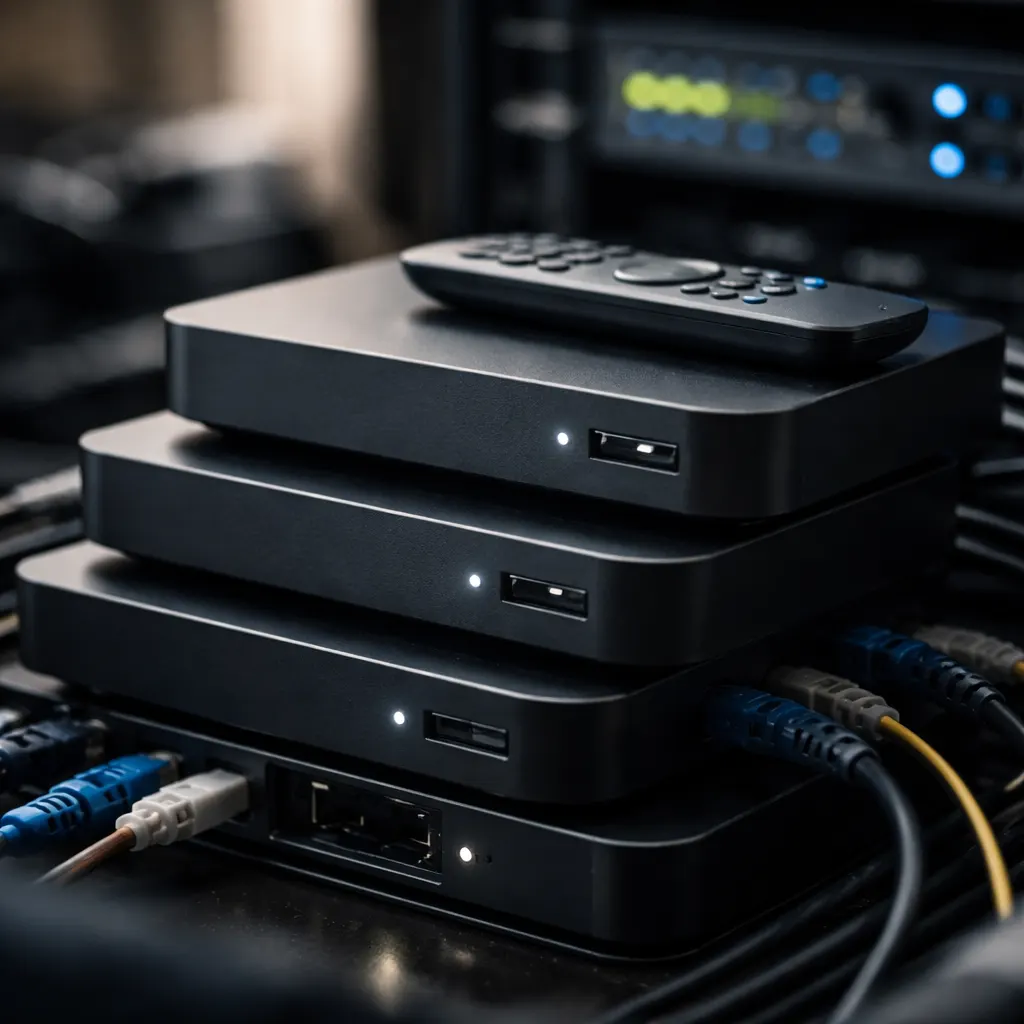
Google has severed ties with a Chinese Android device manufacturer and coordinated with partners to take down a botnet containing more than 1.3 million set-top boxes, according to a disclosure published November 2 by the company's Threat Intelligence Group. The tech giant said it determined "with high confidence" that Videostrong Technology, an Android original design manufacturer and original equipment manufacturer, was behind the XCPE botnet and backdoor. The firm embedded malicious software directly into device firmware and sold access to criminal partners, who used the compromised devices for ad fraud, residential proxy operations, and additional malware distribution.
The XCPE backdoor, named x.cpe, was built into numerous device models and brands over multiple years, operating at the android.uid.system privilege level and automatically reinstalling itself from the /oem/ partition whenever a user attempted to remove it. On startup, the backdoor contacted a command-and-control server and relied on MQTT message broker for instructions, allowing criminal affiliates to remotely execute shell scripts, disable Google Play Protect, and install apps without user knowledge. The industry operation disrupted XCPE command-and-control servers used by Videostrong's criminal partners to deploy over a dozen malware families, helping to cut off control of more than 10 million compromised devices. Beyond set-top boxes, the botnet included telehealth devices, karaoke machines, and digital signage equipment.
Google stated that Videostrong profited from the backdoor by selling access to criminal affiliates and loading those affiliates' malware modules onto infected devices. "These secondary modules were conducting ad-fraud; silently enrolling infected devices into residential proxy networks; and loading additional malware onto XCPE-compromised devices," the company explained. The threat intelligence team said the campaign included "dedicated infrastructure and constantly evolving configurations to evade detection and manage their affiliates," concluding it "wasn't an isolated rogue insider or a development oversight." As a result, Google has banned Videostrong from manufacturing devices with preloaded Google applications.
The report indicates that Videostrong monetized backdoor access by installing malware modules from operators including residential proxy service providers such as Linkfog, AppSalt/Honeygain, GaGaNode, NetNut, and Traffmonetizer. These residential proxy services enable various forms of cybercrime including account takeover, payment fraud, ad and click fraud, web scraping, and distributed denial-of-service attacks. The backdoor had been embedded into Videostrong devices for several years before detection, allowing criminal partners to build extensive infrastructure for managing compromised endpoints.
Google warned that while the takedown seriously impacted over a dozen malicious actors, the underlying illicit market remains resilient. "Backdoor operators, ad-fraud rings, and residential proxy providers operate as an interconnected supply chain, and when one component is disrupted, operators quickly pivot to new loaders or rival monetization SDKs," the company said. The report concluded that creating lasting change requires accountability across the hardware supply chain, the residential proxy industry, and the broader technology ecosystem. Hardware manufacturers that prioritize speed and cost over security create systemic vulnerabilities that sophisticated criminal networks can exploit for years before discovery, while the interconnected nature of malware distribution ensures that disrupting one operator provides only temporary relief.