
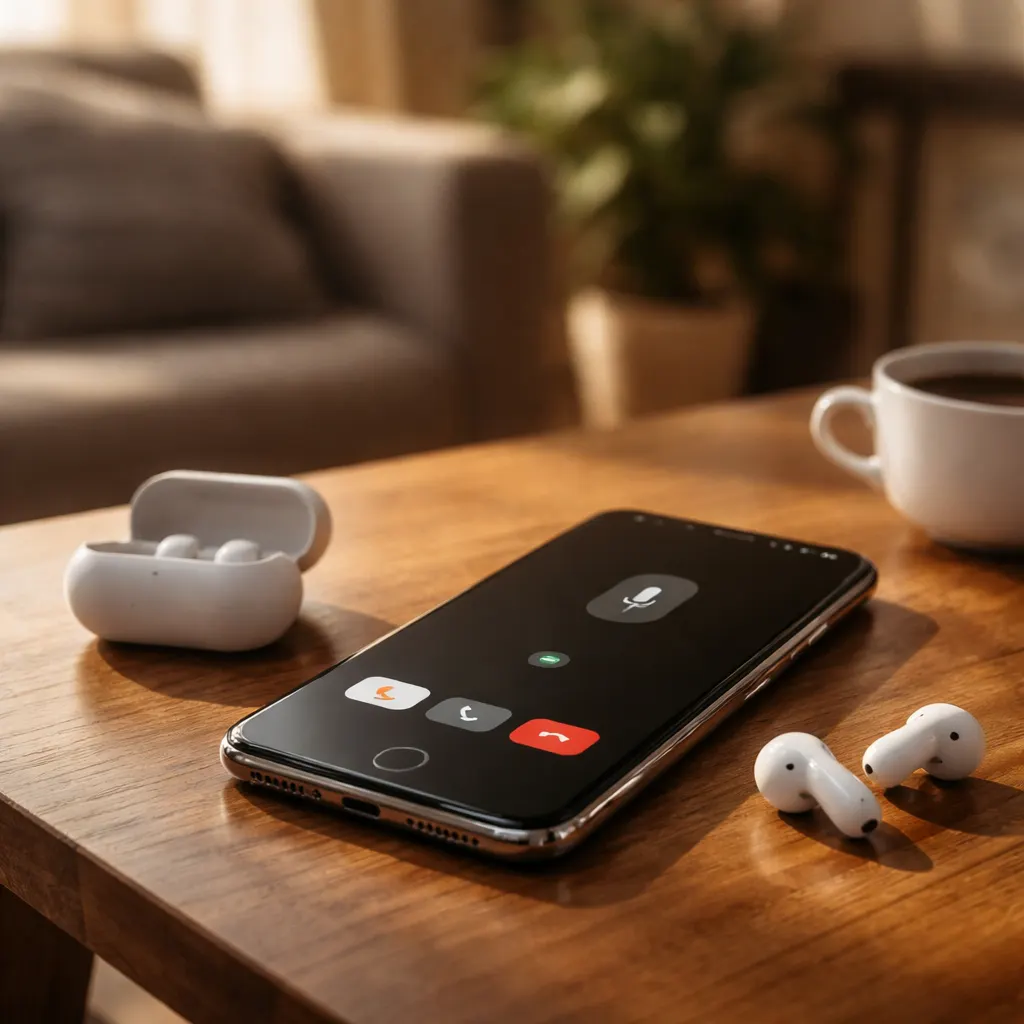
Google has launched Call for Me, an experimental beta feature that lets its Gemini AI assistant place phone calls on behalf of users, marking the company's return to AI-powered calling nearly a decade after its initial attempt with Duplex. The feature, announced Thursday, is available exclusively to Pixel 11 smartphone owners in the United States who subscribe to Gemini and enroll in the Phone by Google app's public beta program. The service is designed to contact businesses—asking a hardware store about tool availability or scheduling appointments with barbers—by having the AI introduce itself, engage in back-and-forth conversation, navigate automated phone menus, and even wait on hold while users view a live transcript and can jump in at any moment.
The feature builds on Google's existing suite of smart calling tools for Pixel and Android devices, which already include call screening to block robocalls and telemarketers, Hold for Me that listens for when hold music ends and alerts users when a live person answers, Direct My Call that displays automated menu options before they're spoken aloud, and real-time Scam Detection that warns users of potential fraud. During Call for Me interactions, Gemini uses the same voice from Gemini Live conversations regardless of a user's preferred voice setting, and while it's optimized for businesses, Google won't allow calls to emergency services. Users can ask Gemini to dial specific numbers—providing one manually if a business like a tattoo artist lacks a strong web presence—and the assistant may pose follow-up questions to gather necessary context before placing the call.
According to a Google spokesperson, the company views this experiment as an opportunity to test various scenarios and "continue to improve the feature across accents and noisy environments." Google says Gemini will end calls "politely" if a business can't meet a user's needs. The report notes that voice assistants handling phone calls have gained broader acceptance since the Duplex era, with call screening features now common across Pixel, Samsung, and iPhone devices, though such AI-driven features—much like translation tools—can still fall short when calls become unpredictable or when people on the receiving end hang up assuming it's spam.
The technology points toward a future where automated systems may handle business phone calls entirely, with companies already testing AI tools to interact with customers—the report cites California pizza chain Pizza My Heart, which lets customers text its Jimmy the Surfer chatbot to order food. The report suggests it's not far off that a user's phone will call a restaurant only to have the restaurant's AI answer, with "the machines talking to each other, except they're just debating whether you want the stuffed crust." While Google is testing how Gemini handles scenarios like unclear accents or whether the assistant knows to exit a conversation gracefully when a shop lacks a requested item, the company frames these as precisely the questions this experimental phase aims to answer. The broader shift reflects how AI assistants are moving from simple commands to complex, autonomous interactions that once required human judgment—though whether businesses and customers will embrace robot-to-robot communication remains an open question that could reshape how commerce and service industries operate in the years ahead.