
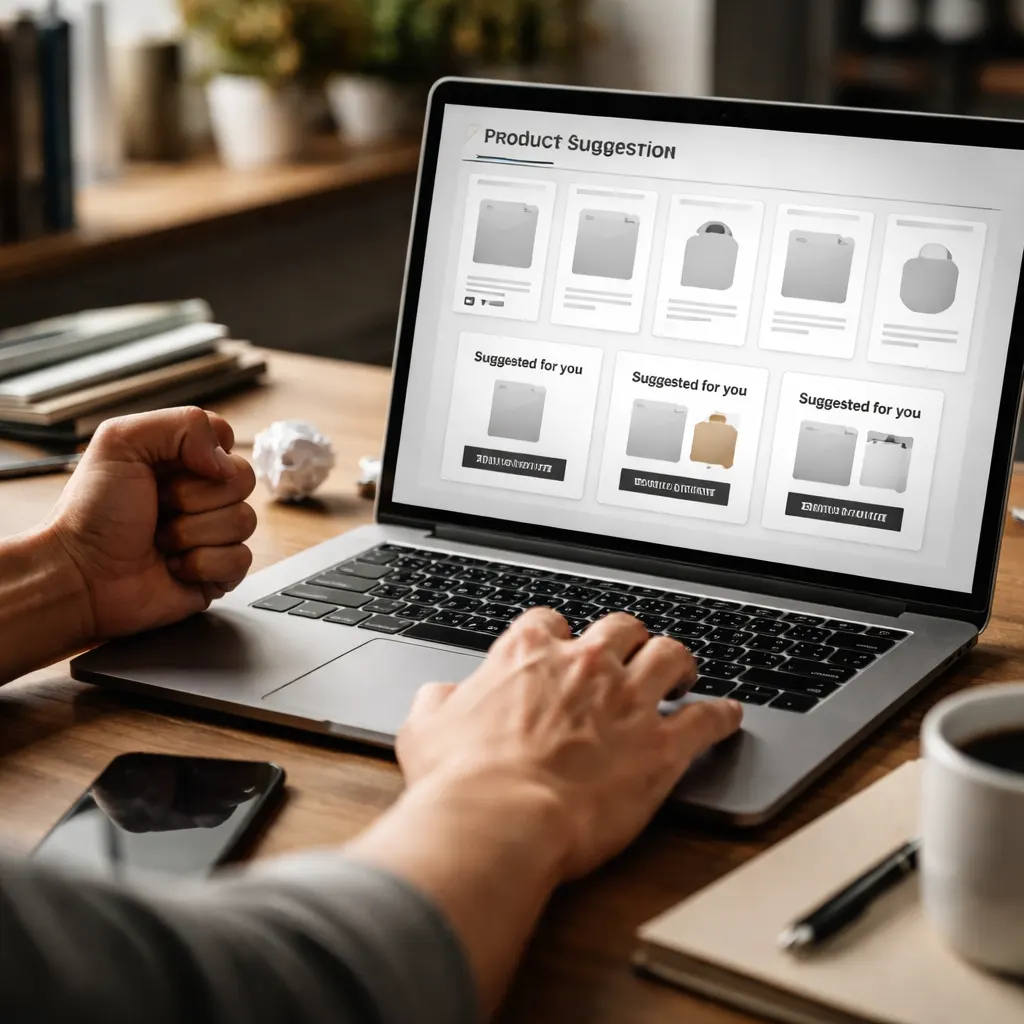
AI startup Instinct has launched a new feature that pushes product recommendations to users, but the rollout is already generating negative reactions from some early recipients, according to a report published by TechCrunch on September 30. The AI agent began delivering product suggestions overnight through a feature called Instinct Selections, designed to offer personalized lists across categories including dining, travel, and shopping. The company says it's partnering with local experts to bring "human taste" to recommendations, but users are complaining the suggestions feel like spam rather than helpful assistance.
Founder Noah Shinn announced the feature later on Tuesday, explaining the concept involves collaboration with "local chefs, designers, architects, travel guides," and other experts to provide human-curated picks alongside AI-generated suggestions. The company hasn't disclosed the identity of these human partners. Several users reported receiving product pitches they didn't request, including carry-on luggage, sunglasses, brim hats, travel accessories, and a to-go coffee flask. Shruti Gandhi, a general partner at AI-focused investing firm Array VC, posted on X that she received recommendations for items she didn't need, writing "This feels so disappointing." Chat Joglekar, founder of a business-buying marketplace, described having his first "'ewwww' moment with an AI assistant" when Instinct began suggesting purchases based on information in his email and upcoming trips.
According to Shinn, the goal is to "deliver world-class recommendations that are differentiated in quality from what you might find on the internet, and from what other chatbots produce." The report notes that Instinct hasn't disclosed whether it's currently earning revenue from these recommendations or plans to do so, though the feature appears well-suited for advertising, commerce, or affiliate arrangements. The product suggestions arrived shortly after Instinct confirmed a $1 billion Series C financing round that valued the company at $10 billion. In a recent podcast with investor Patrick O'Shaughnessy, Shinn said the platform is nearing a billion dollars in annual transactions processed through the agent, with more than 50% tied to travel.
The report explains that for curated suggestions to feel useful rather than intrusive, they need to respond to something the user actually requested or fit naturally into an ongoing conversation — making the assistant appear helpful instead of promotional. When product pitches arrive at random times, as Instinct's have been doing, they must be highly personalized and excellent matches, or users will perceive them as unwanted advertising. This approach puts Instinct at a disadvantage compared to AI agents from larger competitors like Meta and OpenAI, which don't push product recommendations. One user, Ash Thaker, received a random notification for additional equipment tied to a future trip and commented that while curation is nice, the company should ask whether users want recommendations and allow them to select their own sources as well.
The timing of the feature launch — immediately after securing a massive funding round — suggests Instinct may be exploring new revenue streams to justify its $10 billion valuation, though the company hasn't revealed how many people actually use its product. The backlash highlights a fundamental challenge for AI assistants that access personal information: users want help, not sales pitches, and the line between the two depends entirely on whether they asked for the recommendation. Companies experimenting with commerce-driven AI features will need to balance monetization ambitions with user trust, or risk turning helpful agents into digital telemarketers. The path forward for AI assistants seeking to generate revenue through recommendations likely depends on building explicit opt-in mechanisms and proving the suggestions genuinely save users time rather than creating new interruptions.