
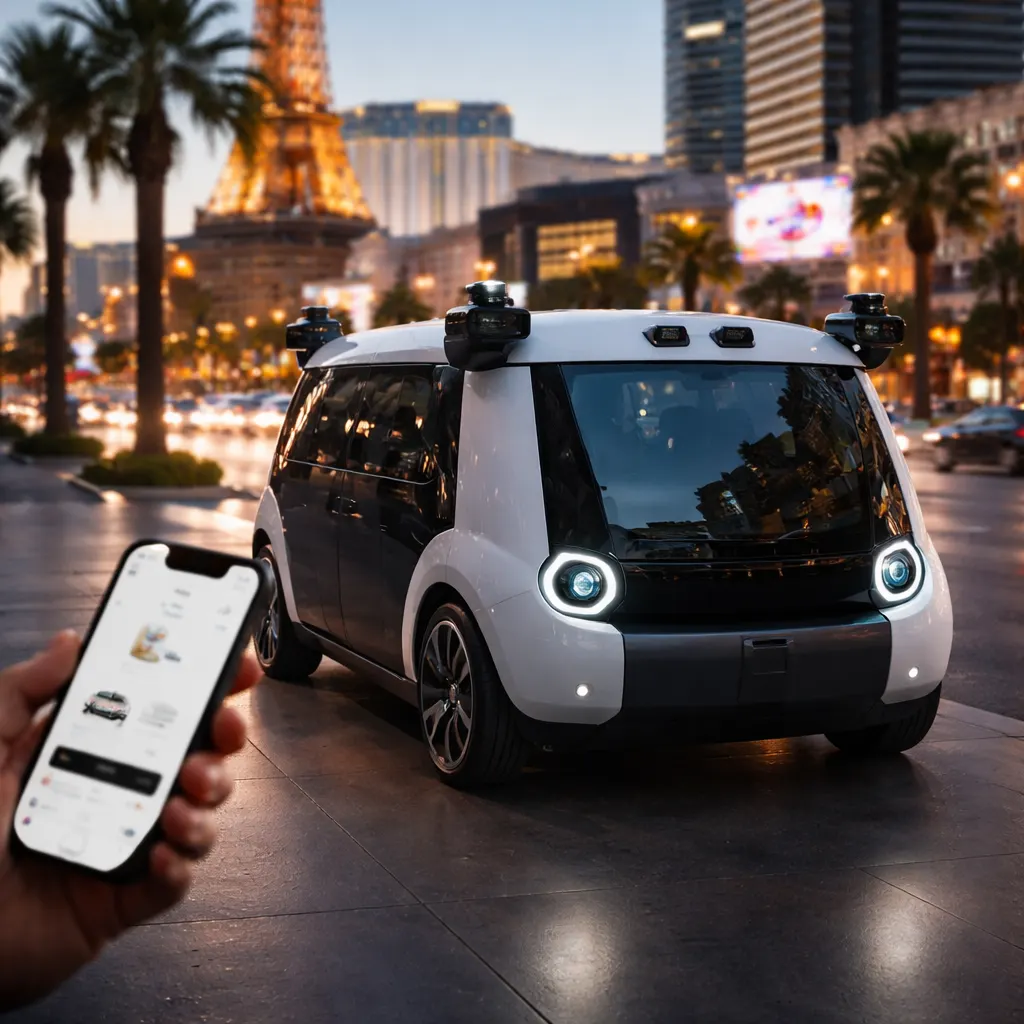
Zoox robotaxis are now accessible through the Uber application in Las Vegas, representing the first time Amazon's autonomous vehicle division has partnered with an external ride-hailing service. The launch on Monday advances Uber's broader goal to serve as the leading distributor of autonomous vehicle technology across North America, Europe, and the Middle East. For Zoox, the collaboration provides exposure to a wider pool of potential riders who might not otherwise sample its robotaxi service, a crucial advantage as it lags behind industry frontrunners Tesla and Waymo.
The partnership will expand beyond Nevada's gaming capital. Zoox plans to start initial robotaxi service in Los Angeles before year's end, introducing the vehicle and offering rides to company staff, relatives, and acquaintances, though commercial operations won't commence until 2027. Access through Uber's platform will follow next year in that market as well. The two firms also revealed a multi-year agreement with MGM Resorts International, designating them as rideshare and robotaxi partners for MGM properties across Las Vegas. Together they'll collaborate with MGM Resorts to enhance pickup and drop-off zones and install signage to assist riders in navigating expansive MGM facilities and locating the robotaxis. Earlier in 2026, the Nevada Transportation Authority granted unanimous approval for a permit allowing Uber to operate up to 1,000 robotaxis in Clark County—which encompasses Las Vegas—through its arrangements with Hyundai's Motional subsidiary and Zoox.
Riders face initial constraints in accessing Zoox vehicles through the platform. Customers can't specifically request a Zoox robotaxi at this stage. Instead, those ordering an UberX, Uber Comfort, Uber Electric, Uber Comfort Electric, or Wait & Save trip may receive one of Zoox's purpose-built robotaxis after requesting transport. Riders can boost their likelihood of securing a Zoox vehicle by selecting autonomous rides via "ride preferences" within the app's settings. Uber intends to launch a dedicated autonomous category in its application as "availability and reliability improve," CEO Dara Khosrowshahi stated during the firm's third-quarter earnings discussion in November. "Las Vegas will become the first U.S. city where riders can access two fully driverless partners through the Uber app," he noted on the call, adding that the company will start with limited fleets and grow capacity in coming months with plans to introduce a dedicated autonomous option.
The decision to create a dedicated autonomous category signals a shift in Uber's robotaxi strategy, including its arrangement with Waymo. That exclusive partnership, which pairs Waymo robotaxis with Uber customers in Austin and Atlanta, will conclude in January 2028. Waymo intends to provide rides directly via its own smartphone application, mirroring its approach in other cities. TechCrunch previously confirmed with Uber that it still expects to feature Waymo robotaxis on its platform for as long as both parties consent. Unlike its collaborations with other autonomous vehicle developers, Uber stated it won't supply maintenance and additional services for Zoox in the Las Vegas market. The launch represents a milestone for both entities: Uber adds another contributor to its app as part of its partnership with over 30 firms developing autonomous vehicle technology for sidewalk delivery robots, self-driving cars, robotaxis, and drones—though not all have translated into commercial deployments. The strategic value for platforms seeking to aggregate autonomous mobility options may ultimately hinge on whether riders actively prefer driverless experiences or simply accept them when assigned. As commercial robotaxi deployments multiply across major metro areas, the competitive question shifts from technological capability to customer acquisition and retention at scale.