
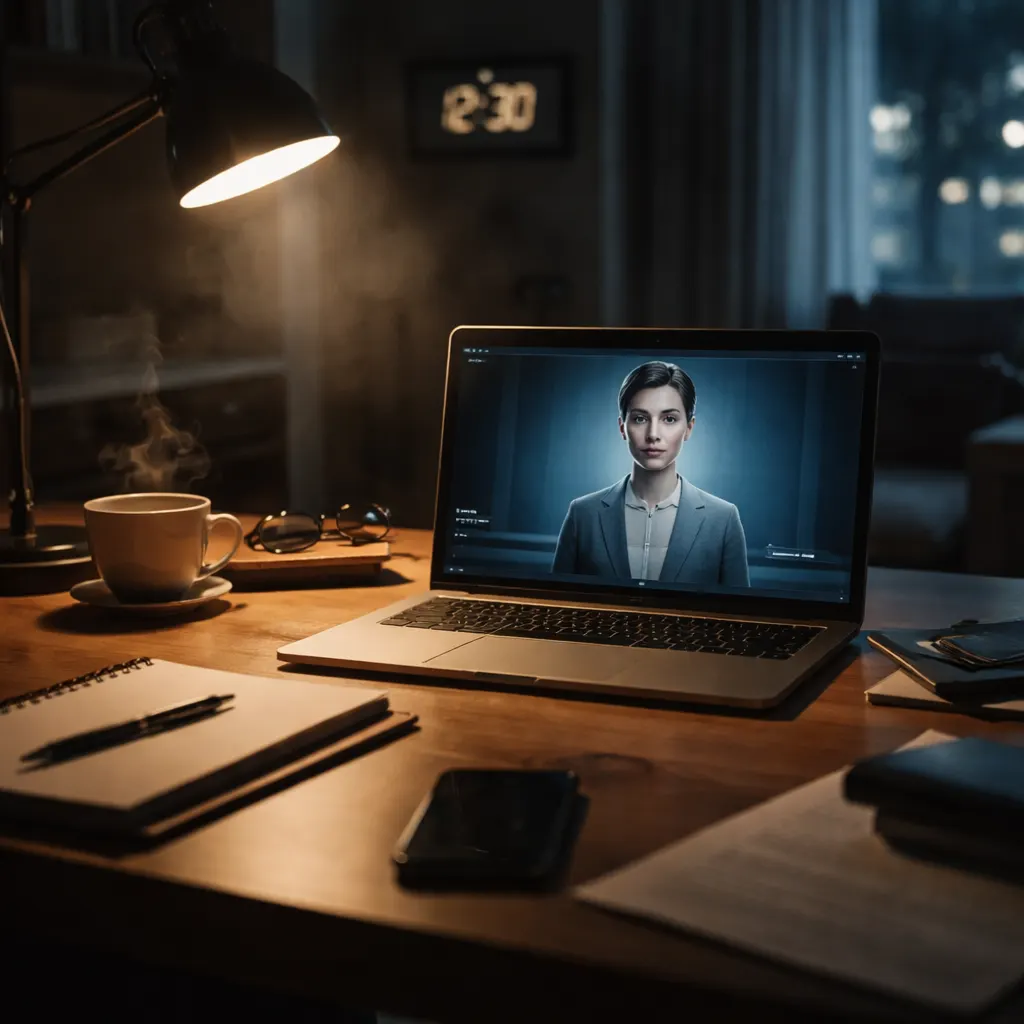
Nearly a quarter of job seekers using AI-powered interview platforms now record their responses between 10 pm and 2 am, according to a report published by WIRED in August 2026. The investigation examines how automated video interviews are transforming not just how companies screen applicants, but when candidates complete the process. As recruitment software increasingly replaces initial human contact, job hunters are scheduling interviews after their kids go to bed, their shifts end, or their current employers close for the day.
Data from Ribbon, a voice-AI recruitment software company serving more than 500 employers, shows that 24 percent of its AI interviews happen between 10 pm and 2 am in the candidate's local time zone. For manufacturing clients specifically, that figure climbs to 35 percent. Meanwhile, hiring platform Greenhouse reports that roughly 15 to 20 percent of candidates using its voice agent now book interview slots at night. A Greenhouse survey conducted in May found that nearly two-thirds of job applicants have been interviewed by an AI agent, up 13 percentage points over the previous six months. However, 38 percent of American candidates told Greenhouse they had withdrawn from a hiring process rather than participate in an AI interview, with another 12 percent saying they'd drop out if an AI interview was required.
The typical AI or automated video interview uses a rubric that changes depending on the position, according to the report. A welder might face questions about specific technical skills or certifications, while a sales role could include an "enthusiasm" score. Artificial intelligence evaluates the interview footage against the rubric and assigns the candidate a score, which gets forwarded to the recruiter along with the video—though many of the interviews go unwatched by humans, the report notes. Ophir Samson, who leads Greenhouse's voice AI division, describes the AI interview as "a sort of résumé add-on" that can surface high-scoring candidates who might otherwise disappear in the flood of applications. He frames the technology not as a choice between human and robot, but as a choice between being ghosted and improving the odds of reaching a human interviewer in the next round.
The report attributes the late-night trend to practical constraints that previous interview formats couldn't accommodate. Many parents can't spare 30 minutes until 10 pm arrives, according to Arsham Ghahramani, who cofounded Ribbon. The same applies to hourly workers or employees tied up at their current jobs on noisy factory floors or in kitchens. One candidate profiled in the report, Atlanta-based communications expert Tim Millard, received an email about a media relations role that instructed him to record himself answering questions on camera. He tidied his living room and set up his laptop that evening at 9:30 pm, figuring he might as well complete the process immediately. The system displayed a question on screen, gave him roughly 30 seconds to think, then allocated two minutes to record his answer. Millard received an automated rejection email two months later. A year after losing his job, he remains unemployed—an experience so emotionally devastating that it inspired him to write a one-man show that debuted at the Atlanta Fringe Festival in May. For companies, the flexibility may expand access to candidates who couldn't otherwise participate, but for applicants like Millard, the convenience rings hollow when the alternative is no interview at all. The promise of anytime access collides with the reality that many job seekers feel they have no choice but to comply with whatever format employers demand, regardless of the hour or the absence of human contact on the other end of the camera.