
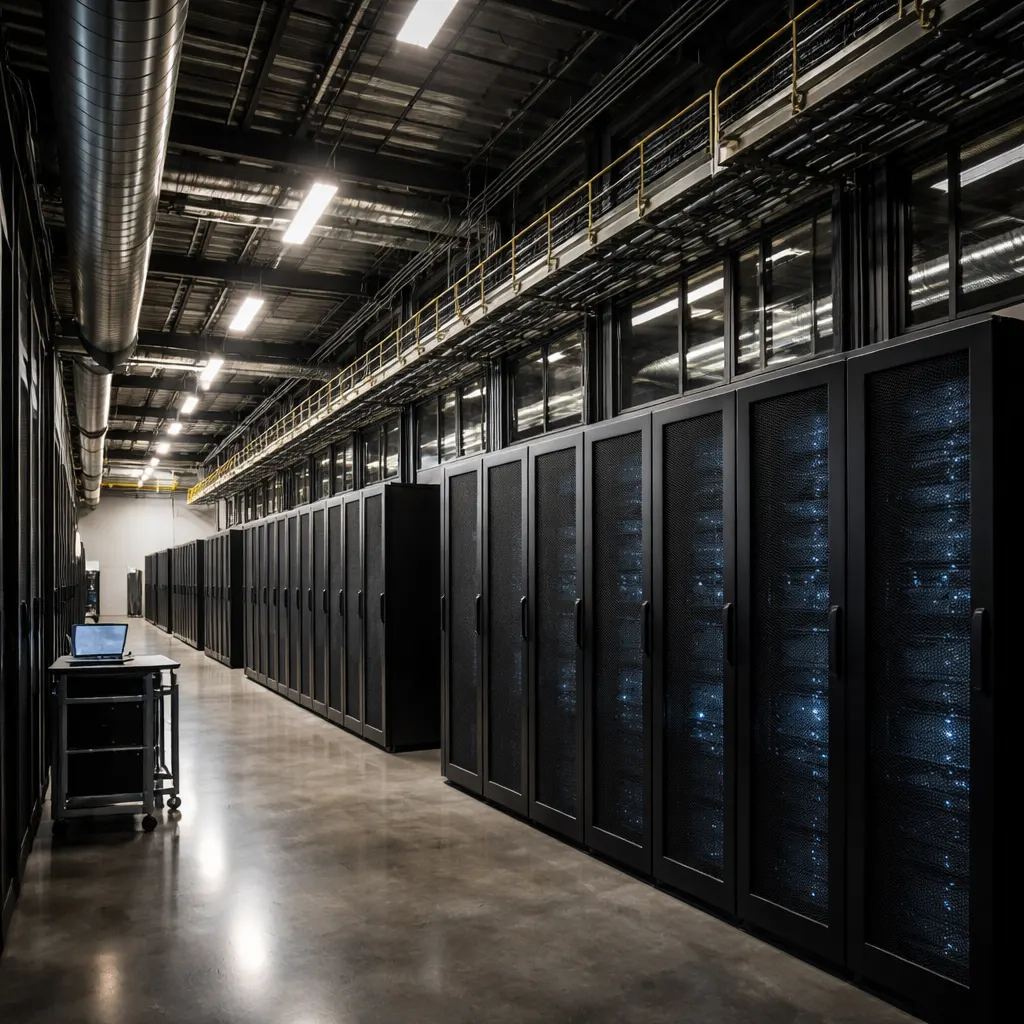
Anthropic has launched a joint infrastructure platform with Macquarie Asset Management and Singapore's GIC to build and operate data centers exclusively for the AI company's use, marking the first time a frontier lab has moved from renting computing capacity to co-owning the physical infrastructure. The venture, called Theseus Infrastructure and announced August 10, represents a shift toward project-finance models traditionally used for pipelines and airports, now applied to AI compute. Alongside the partnership, Anthropic pledged to cover all grid-upgrade expenses and reimburse consumer electricity price increases linked to its data center demand, the first such community-cost commitment from a major AI lab.
The financial structure positions Anthropic as anchor tenant rather than owner. Funds managed by Macquarie, alongside GIC, will hold ownership of the platform and provide the majority of equity capital for each individual project, with an initial geographic focus on the United States. The arrangement differs sharply from standard take-or-pay contracts Anthropic has signed with hyperscale cloud providers, instead resembling infrastructure financing where patient institutional investors fund construction while a long-term tenant pays down costs over years. Neither the total dollar commitment for Theseus, the target number of sites, nor lease duration appears in the announcement materials, and the parties haven't disclosed whether Anthropic holds any equity stake in the platform or how utility reimbursements will be audited across states with varying regulatory frameworks.
The report describes Anthropic's grid-cost pledge as covering two distinct sources of household rate increases: new interconnect build-out required to connect data centers to the electrical grid, and the tighter wholesale power market that additional demand creates. According to the announcement, Anthropic will pay 100% of grid-infrastructure costs and work with utilities to "estimate and cover" consumer electricity price hikes in locations where the company can't generate sufficient new power independently. The commitment is unilateral rather than negotiated with any specific utility, and represents what the report characterizes as an effort to preempt community opposition before it hardens into permitting roadblocks.
The report frames the venture's potential benefits as running in three directions if the model succeeds. Macquarie and GIC gain contracted real-asset exposure to AI capital expenditure that's otherwise difficult to access through public markets, host communities receive Anthropic-funded grid improvements and rate protection that could unlock stalled project approvals, and Anthropic reduces its structural reliance on computing capacity owned by Amazon, Google, and Microsoft. The report notes this is the first instance of a frontier AI lab attempting to address community-cost backlash proactively, occurring amid broader coverage of Anthropic and OpenAI expanding into London's King's Cross AI cluster and a wider wave of AI infrastructure development.
The report identifies the critical question ahead as whether competing labs will replicate the Theseus structure, or whether hyperscale cloud providers will move first to lock in the same institutional capital pools for their own projects. The venture's success hinges on whether Anthropic-funded upgrades and rate coverage can actually unstick permitting processes that have stalled under local opposition to grid strain and electricity price impacts. The clearest immediate takeaway is that the largest AI companies now view securing physical infrastructure as strategically important as model development itself, willing to underwrite public utilities and partner with sovereign wealth funds to guarantee capacity years in advance. For companies watching this space, the real test will be whether institutional investors treat AI data centers as the stable, decades-long infrastructure plays they've historically demanded, or whether the technology's rapid evolution makes that patient capital model unworkable in practice.