
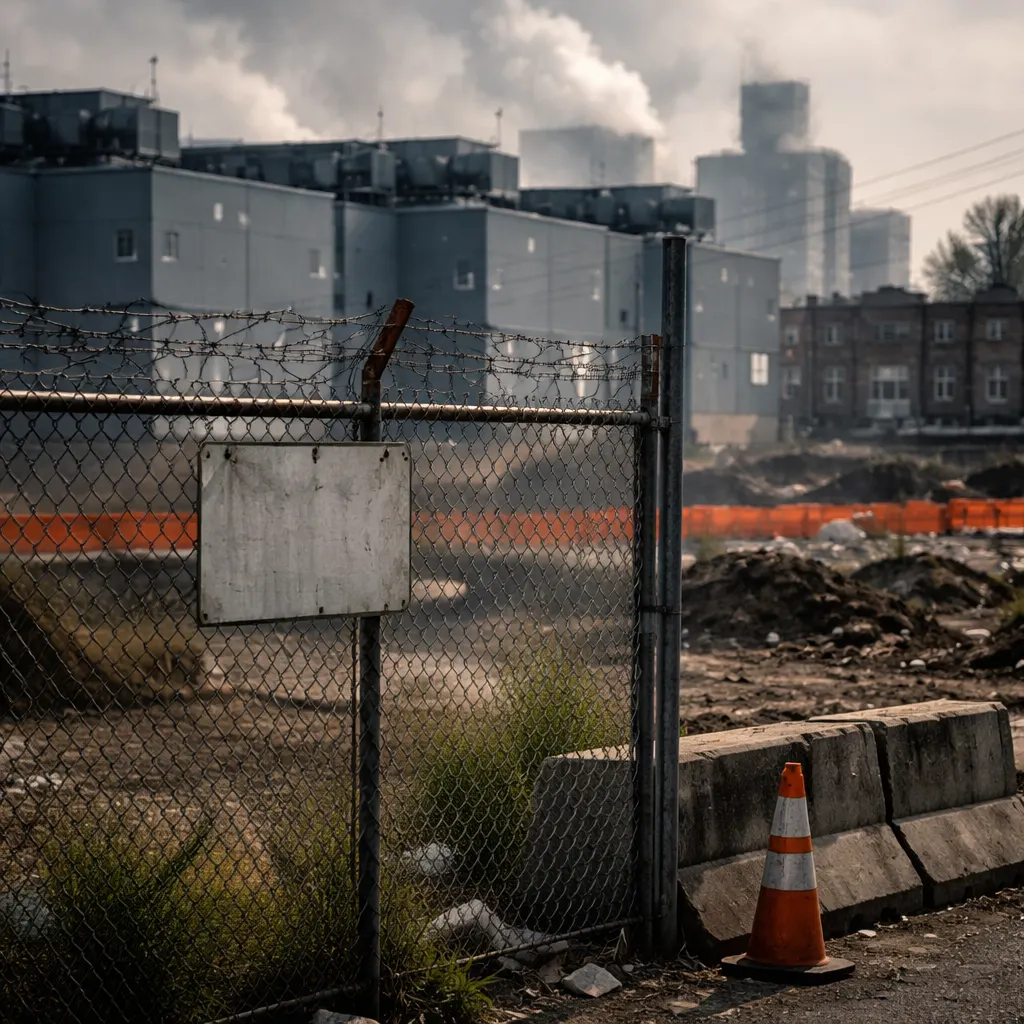
Activists and residents in Philadelphia are pushing for a moratorium on data center construction in their city, joining a wave of opposition across the United States as the AI boom drives demand for new facilities. According to a TechCrunch report published September 15, more than 100 people rallied Monday at Philadelphia's City Hall to protest potential data center sites, including one in the Grays Ferry neighborhood that sits next to a shuttered oil refinery. The resistance is particularly fierce in communities where large-scale industrial projects have already left lasting damage.
The environmental stakes are substantial. By 2035, BloombergNEF predicts that U.S. data centers will consume more natural gas than Germany and Japan combined, nearly double the firm's forecast from nine months earlier. Burning one cubic foot of natural gas releases the equivalent of 60 grams of carbon dioxide, and additional data center demand is expected to generate an extra 1 million metric tons of greenhouse gas pollution each day, which represents about 12% of all present-day U.S. greenhouse gas emissions. Harvard University researchers found in 2021 that fossil fuel air pollution is responsible for one in five deaths worldwide. The Philadelphia Energy Solutions refinery that once operated in Grays Ferry processed up to 335,000 barrels of crude oil daily before shutting down after an explosion in 2019.
"We don't want data centers," Philly Thrive board president Sonya Sanders said at Monday's rally. "We don't want the pollution, we don't want the noise, and we know they're not going to bring us more jobs." Sanders' husband, who lived in Grays Ferry, died of a rare bone cancer in 2020, and she attributes his illness to emissions from the refinery. Clean Air Council attorney Annie Fox noted that a typical data center planned in Pennsylvania has hundreds of diesel engines that release air pollution, and even when they're supposedly reserved for emergencies, the government has already indicated that facilities should use those rather than drawing from an overstressed electrical grid during some heat waves. The report notes that a majority of Americans oppose data center construction in their area, often over environmental and energy concerns.
The report shows that concerned citizens across the country are making progress with local officials. New York Governor Kathy Hochul signed an executive order that temporarily prevents the state from approving new permits for large projects, and data center moratoriums have also been approved in Denver, Indianapolis, Asheville, Charlotte, and Reno. These moratoriums often aim to give city officials more time to gather information about the potential impacts of building data centers. In Philadelphia, city officials have identified two potential sites for data centers, but no formal proposals have been submitted yet. Activist Shawmar Pitts, now managing co-director of Philly Thrive, grew up in Grays Ferry next to the oil refinery and didn't connect his neighbors' chronic health conditions to industrial pollution until he encountered the environmental justice group in 2018.
The pushback reflects a collision between the international race to dominate AI and communities where big industry's impact is still felt. For residents in places like Grays Ferry, the promise of new jobs and economic growth from data center companies hasn't outweighed worries about pollution, noise, and strain on local water and electricity supplies. The sector's appetite for infrastructure is now outpacing the tolerance of neighborhoods that already bear the scars of American industrialization.