
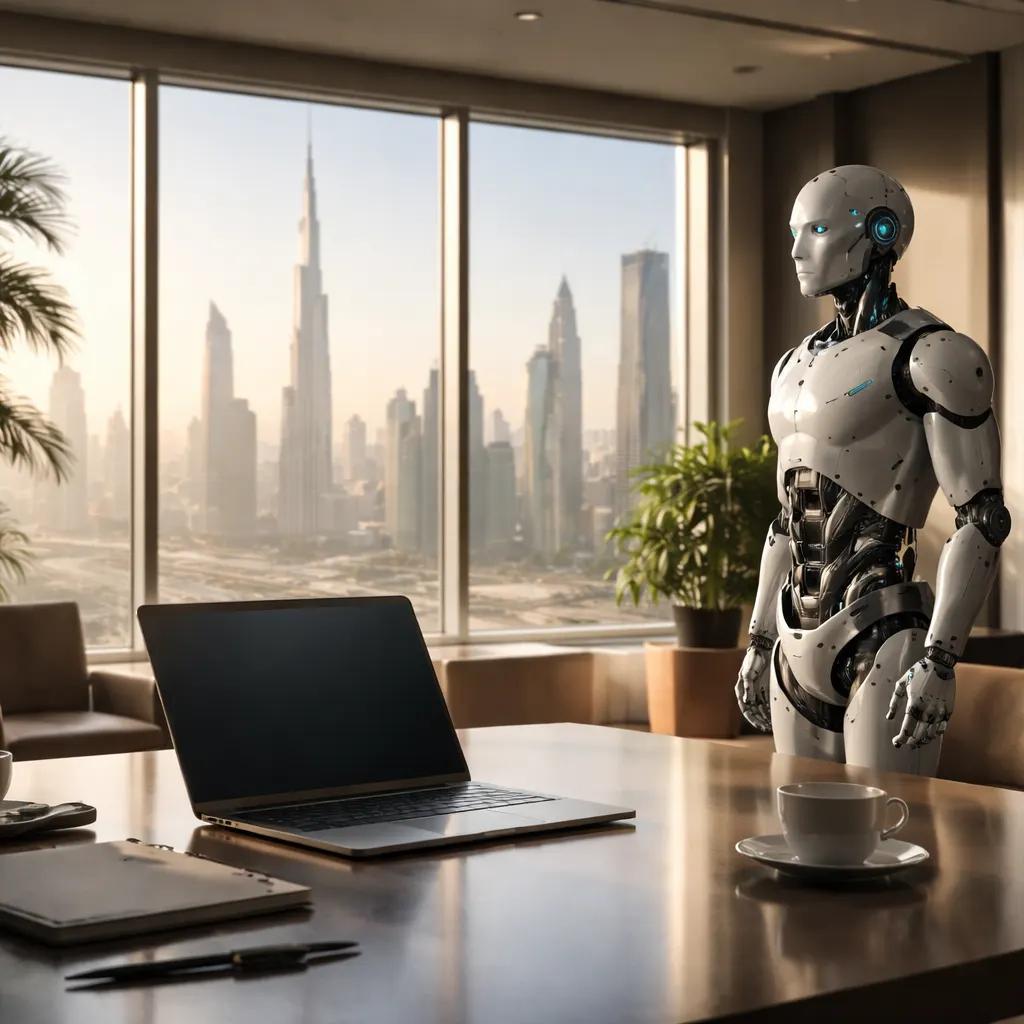
Napster, the brand once synonymous with illegal music sharing, has signed a strategic partnership with Gems Education in Dubai to create AI agents and digital replicas of teachers for classroom use, according to a report published by Wired. The collaboration will test how artificial intelligence can expand the capabilities of both instructors and students. Today's Napster bears no connection to its 1999 origins as a peer-to-peer file-sharing platform—it's now an AI company following its $207 million acquisition by Florida-based tech firm Infinite Reality in 2025.
The partnership will develop proof-of-concept initiatives including digitized instructors, gamified learning experiences, AI-assisted content creation, and classroom simulations, the report states. The initial phase will center on the Gems School of Research and Innovation, where the Gems Global Education AI Hub and Gems Intelligence 360 platform will serve as a testing ground for educators, students, and partners to co-design and evaluate AI agents and digital personas. Napster will deploy dedicated design, development, and product management resources built on Napster Learn, its AI-powered learning system. Digital twins of teachers, trained on their course materials and academic papers, will offer support around the clock and live online as "a copy of yourself that you can then use to scale your time," allowing students to ask questions, clarify concepts, and learn at their own speed outside regular class hours.
Samuel Huber, who leads Napster as CEO for the Middle East and Africa and previously founded UK technology company Landvault, frames the company's mission as challenging the dominance of major AI firms. "The name has always been about giving power to the users," Huber says. "Twenty-five years ago, it was about music and how music should be owned by people, not the gatekeepers. And now this is the same fight, the same ethos, but it's about data and intelligence." According to Huber, the goal is to position Napster as an alternative to the big AI model companies that currently wield significant power. The company is establishing a regional headquarters in Dubai to support this expansion.
The technology aims to extend what teachers can accomplish without eliminating the human connection central to education, the report notes. Teachers will receive insights into the questions students pose to their digital twins and identify areas where additional support may be needed. Huber explains that the platform creates a more natural interaction with AI using voice and video, making artificial intelligence function more like coworkers than tools that require prompting, with applications across different sectors. Student data will remain within the country and can be hosted on a company's own servers where required, and Napster does not use user data to train its AI models, according to Huber. The shift represents a dramatic transformation for a name that forced the entertainment industry to rethink content distribution after launching in 1999, weathering legal battles over copyright infringement that shut down its original service in 2001, and cycling through various iterations as a music-streaming platform before abruptly closing that service in January 2026. Whether AI-powered teacher clones can scale personalized education without eroding classroom dynamics remains the central question districts will face as these tools move from pilot to practice.