
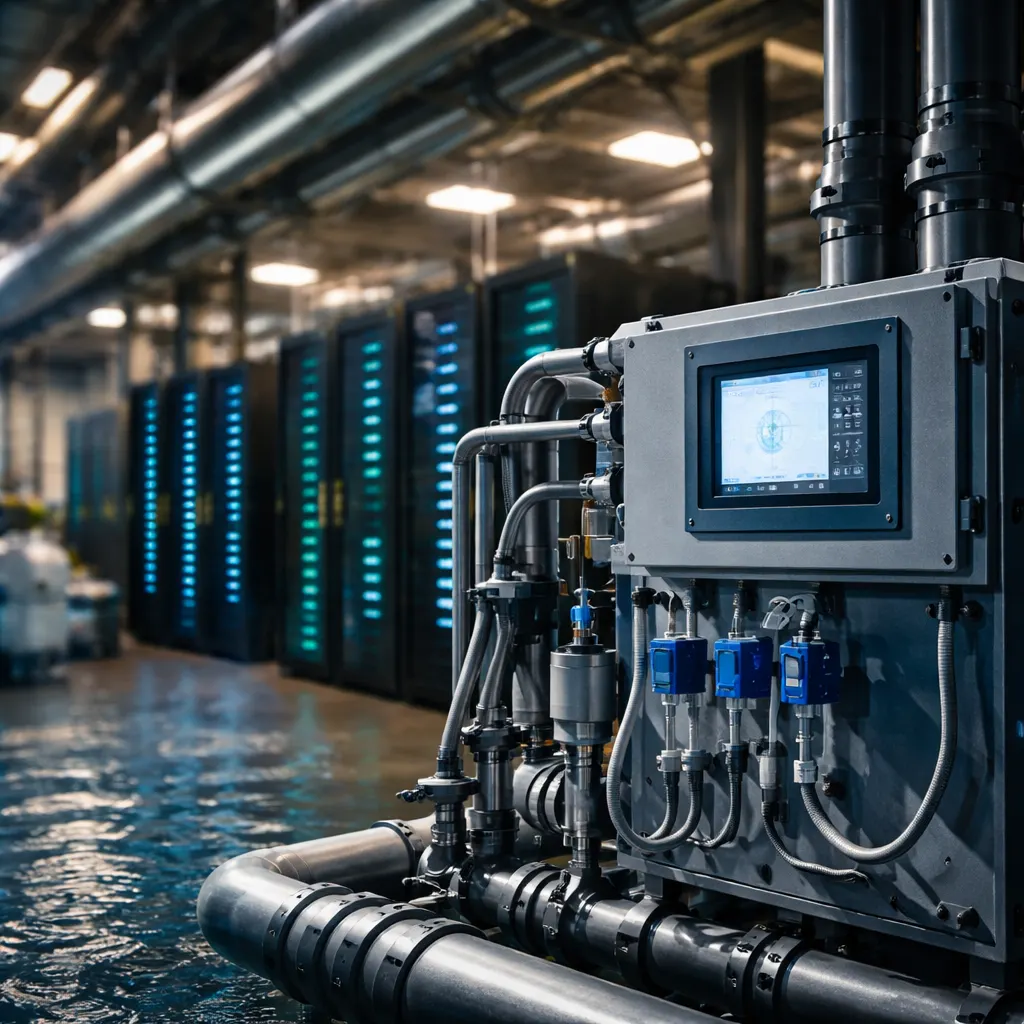
Omen AI, a startup building real-time sensors to monitor cooling fluids in data centers, is acquiring competitor Aquatic Labs in a $16 million cash-and-stock deal, according to a report published by TechCrunch on November 2, 2026. The acquisition unites two companies with complementary sensor technologies aimed at replacing a slow, manual testing process that currently requires sending water samples to laboratories and waiting multiple days for results. Founded in 2024, Omen raised a $31 million Series A round in June before pursuing the deal.
The two startups built real-time water sensors with different but complementary capabilities: Omen's technology detects elements present in the water, while Aquatic Labs' sensor measures alkalinity. U.S. data centers consume 17 to 19 billion gallons of water annually to cool high-temperature chips, a figure The Water Foundation expects to triple over the next five years, according to the report. Omen's initial sensors will monitor chips drawing 250 to 300 megawatts of power by year-end, representing approximately $5 to $7 billion in equipment value, with a goal of covering the equivalent of 1 gigawatt of chips by the end of 2027.
Combining the two sensor types produces a "much richer picture of the water and the fluid," Aquatic Labs CEO Allan Adams told TechCrunch, uniting their shared vision of automating a previously slow, manual process. The combined teams are working to integrate both technologies into a single sensor expected to reach the market by early next year, with Adams joining as chief science officer. According to the report, the acquisition brings together two contrasting founder profiles: Omen's Zach Laberge left high school to launch his first company doing similar fluid analysis for large construction machinery dependent on hydraulics, while Adams spent much of his career as an MIT professor and Woods Hole Oceanographic Institute researcher developing advanced ocean sensing technology before starting his firm.
The value proposition centers on uptime, according to the report: when fluid systems malfunction, data center operators typically choose to discard the water rather than risk damaging costly equipment, forcing a shutdown until the system is restored. Real-time monitoring allows operators to use the same fluid for extended periods and reduce cleanup expenses. The report notes that Omen's sensors can identify failing valves or bacterial growth threatening to obstruct water flow, problems that currently go undetected until samples return from off-site laboratories. Adams told TechCrunch that the technology's impact could extend beyond data centers, noting that "water goes into data centers, and then it comes out and gets dumped into municipal water, and you want that whole process to happen in a way that's as safe and responsible as possible — and that means you got to measure stuff."
The combined company remains confident despite recent market skepticism around AI infrastructure spending, which some companies once projected could reach $4 trillion by 2030 before investor doubts sent hyperscaler stocks tumbling in recent days. Laberge told TechCrunch that Omen's business comes after a data center has been built, stating "We're working customers on stuff they're building today or have already built, and so it doesn't really affect us because all of those projects were financed 12 months ago." The report quotes his view that "if there's tightness, this is still going to be the biggest market in human history, even if you sliced it in half." The real-time monitoring approach addresses a pressing operational bottleneck as data center water consumption climbs, turning a multi-day lab process into an immediate feedback loop that could reshape how the industry manages both costs and environmental responsibility. For companies navigating both infrastructure constraints and sustainability pressures, the choice between prevention and reactive shutdowns will likely hinge on whether monitoring technology can deliver the reliability that operators currently find only in disposal.