
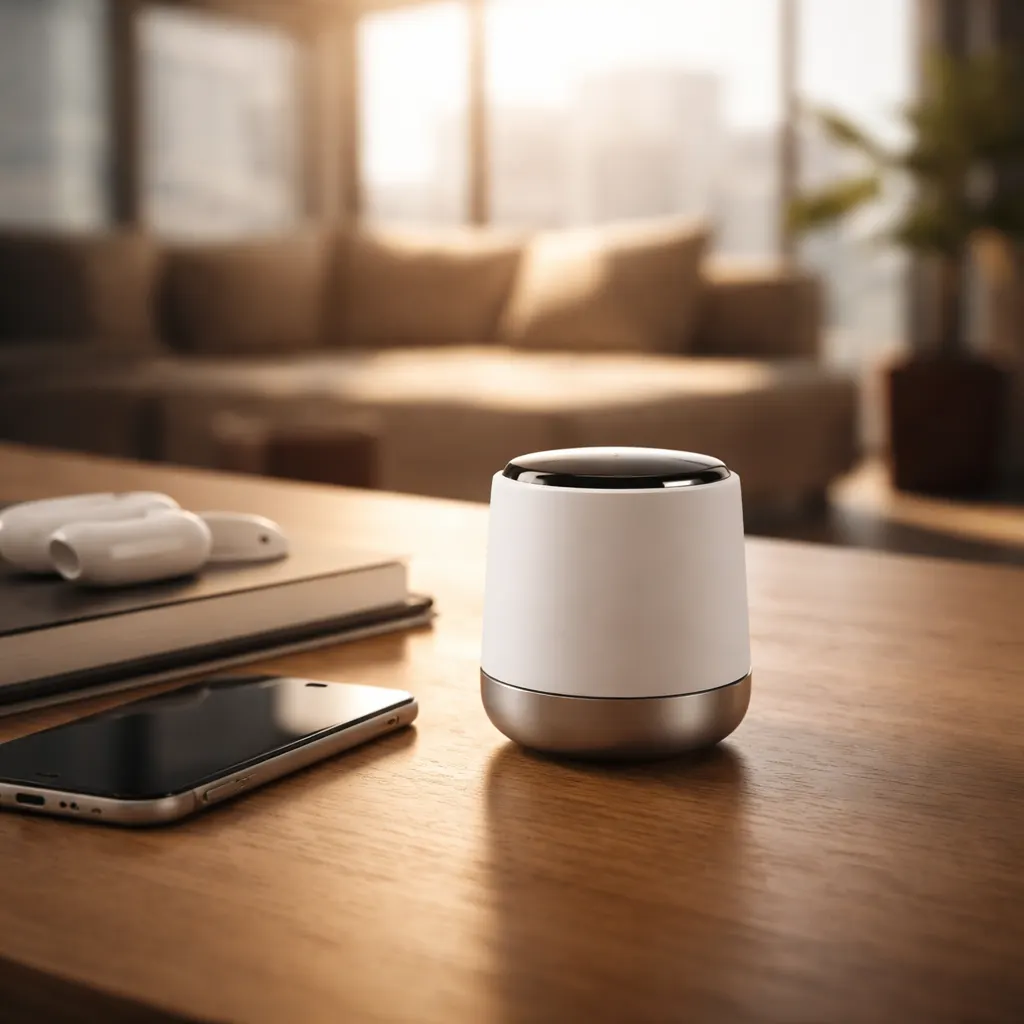
OpenAI is developing a screen-free AI device shaped like a hockey puck that could cost between $300 and $400, according to a Bloomberg report citing people familiar with the project. The portable gadget is reportedly slated for release in 2027, though the company hasn't confirmed its product plans. Rather than positioning the device as another smart speaker, OpenAI is said to view it as an AI-first computer and part of a longer-term effort to make smartphones less central to everyday computing.
The reported device would be roughly the size of a doughnut, small enough to hold in one hand, and include speakers, microphones, cameras, and other sensors that allow it to understand its surroundings. Unlike today's stationary smart speakers, it's expected to be battery-powered and portable enough to move from room to room. The gadget will feature moving parts that activate during interactions, along with lights that indicate when it's listening or responding. The product is being developed with LoveFrom, the design studio founded by former Apple design chief Jony Ive, whose previous work includes the iPhone, iPad, iPod, and Apple Watch.
According to Bloomberg, the speaker-like device is only the first step in a broader hardware push, with OpenAI ultimately wanting to build a family of AI-powered products and eventually create devices that could reduce users' dependence on smartphones. That would put OpenAI in more direct competition with companies such as Amazon and Google, which currently dominate the smart speaker market. The goal is to make conversations with the AI feel more natural and personal over time. The reported hardware plans come as OpenAI and Apple remain locked in a legal dispute over alleged trade-secret and intellectual-property violations, with Apple accusing OpenAI of improperly benefiting from confidential information and supplier relationships related to metal-finishing techniques.
The biggest question for consumers is whether they'll pay several hundred dollars for a screen-free AI device when ChatGPT and other assistants already run on phones they own, the report notes. A premium price may help OpenAI position the product as a new computing category, but it also raises the bar for usefulness, privacy protections, and everyday convenience. If the reported device arrives as described, it would represent a different approach from current voice assistants — functioning as a dedicated AI companion that learns from daily interactions and can be carried throughout the home, instead of acting mainly as a speaker that answers questions. An injunction requested by Apple could complicate OpenAI's hardware plans if granted, Bloomberg reported. The success of this venture will hinge on whether OpenAI can convince buyers that a purpose-built AI computer offers enough advantage over existing smartphone assistants to justify both the cost and shelf space. Partnering with Ive signals ambition to create a design-forward product category, though translating that vision into mass-market adoption remains the harder challenge.