
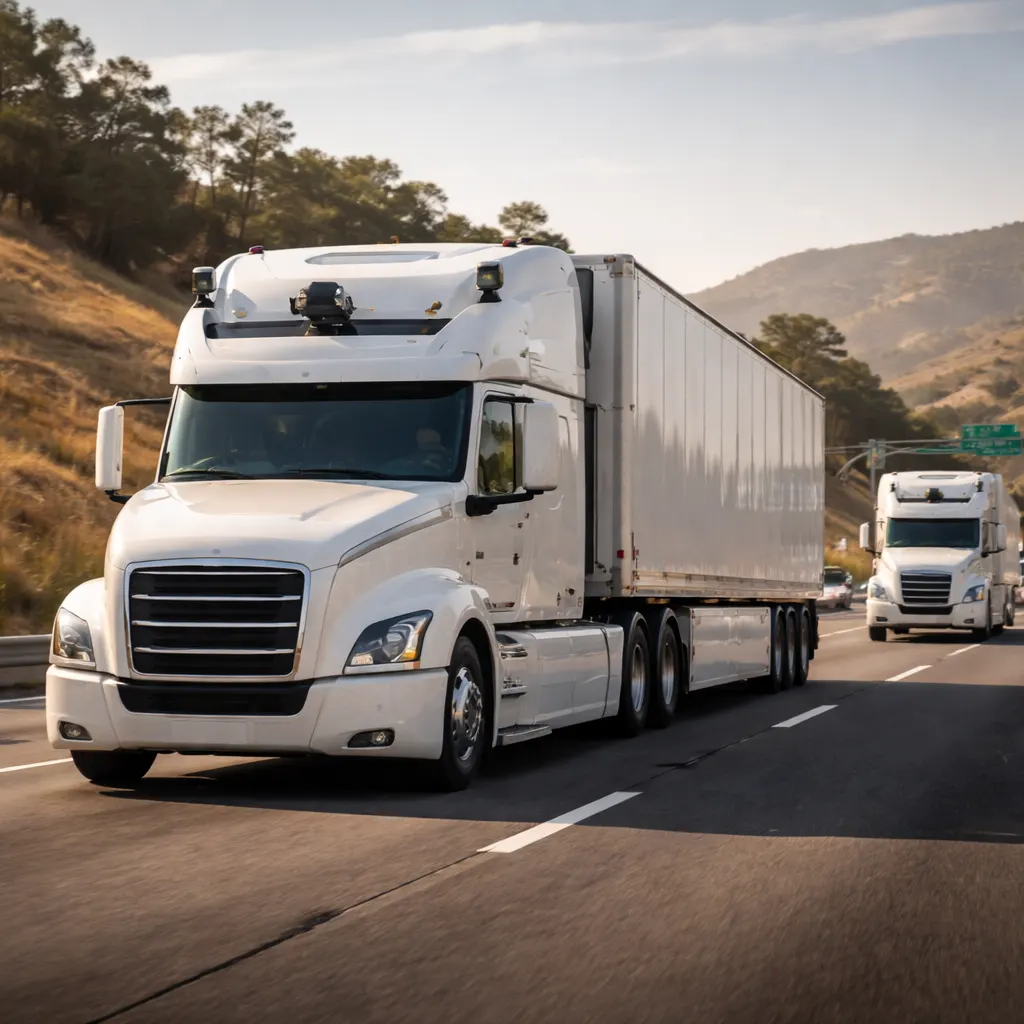
Two autonomous vehicle developers, Aurora Innovation and Kodiak AI, have secured permits from the California Department of Motor Vehicles to begin testing self-driving trucks on public highways, with Kodiak already running a small fleet near its Mountain View headquarters. The permits, issued under new regulations that took effect in late April, mark the first time California has allowed heavy autonomous vehicles on state roads. Both companies had previously focused their testing and commercial operations in Texas due to California's longstanding prohibition on driverless trucks.
The permits came after both Aurora and Kodiak submitted applications this spring under updated DMV rules approved on April 28, which ended a ban on autonomous vehicles weighing more than 10,000 pounds from operating on public highways. Kodiak launched testing with a handful of trucks concentrated around its Mountain View office, while Aurora has received authorization but hasn't yet begun California operations. The permits mandate that a human safety driver remain behind the wheel at all times and forbid the trucks from driving on roads with posted speed limits of 25 miles per hour or lower, unless those roads are part of a direct route between destinations. Both companies met the DMV's criteria covering safety protocols, insurance coverage, vehicle registration, safety driver qualifications, and additional requirements.
According to the DMV, the new regulatory framework provides a path for companies to both test and eventually deploy autonomous heavy-duty vehicles on California roads. The approval hasn't quieted opposition, however. Last week, Teamsters California filed a lawsuit against the state's DMV in Alameda County Superior Court, claiming the agency bypassed laws that require it to research and publicly reveal the potential economic consequences of permitting self-driving trucks on public highways. The lawsuit also alleges the DMV failed to evaluate safety risks to other drivers on the road.
The California permits allow both companies to operate in their home state for the first time. Aurora launched commercial self-driving truck service in Texas in May 2025, beginning with a Dallas-to-Houston corridor and later expanding to routes connecting Fort Worth and El Paso, El Paso and Phoenix, Fort Worth and Phoenix, and Laredo and Dallas. Kodiak started commercial driverless operations in January 2025 in an off-road setting in West Texas' Permian Basin before expanding to on-highway service, including a Dallas-Houston route. Until the April rule change, both California-based companies were forced to concentrate their testing and deployment efforts in Texas, where regulations permitted autonomous heavy-duty vehicle operations. The new permits give the firms access to test conditions and highway infrastructure in the state where they're headquartered, potentially accelerating development timelines.
The regulatory shift reflects California's attempt to balance innovation in autonomous freight technology with public safety and labor concerns, though the legal challenge suggests that balance remains contested. For Aurora and Kodiak, home-state testing represents a strategic advantage after more than a year of building commercial operations elsewhere. The companies now face the task of demonstrating that autonomous trucks can operate safely on California's congested highways while navigating both regulatory scrutiny and organized labor opposition. California's decision to lift the ban positions the state as a potential proving ground for an industry that has matured considerably since early pilot programs, though the outcome of the Teamsters lawsuit could reshape the regulatory landscape yet again.