
A deepfake voice convinced Tarini Padmanabhuni's grandfather he was speaking with his kidnapped brother, prompting him to pay a ransom before discovering the call was an AI-generated fraud, according to a report published by TechCrunch on September 28, 2026. The incident, which occurred roughly two years ago, led Padmanabhuni to establish DetectifAI, a San Francisco-based firm that aims to prevent similar scams by embedding deepfake voice detection directly into smartphones. The company is now competing in TechCrunch's Startup Battlefield competition, scheduled for October 13 to 15 in downtown San Francisco.
Americans lost nearly $900 million to AI-driven scams last year, a 24% increase from 2024, according to FBI data cited in the report. Individuals aged 60 and older lost double the amount compared to those between 50 and 59 years old. DetectifAI currently processes more than 100,000 calls monthly for financial institutions in India, where the technology is used on calls placed by AI voice agents handling debt collection and loan document follow-ups, with deepfake detection and speaker verification applied to every call.
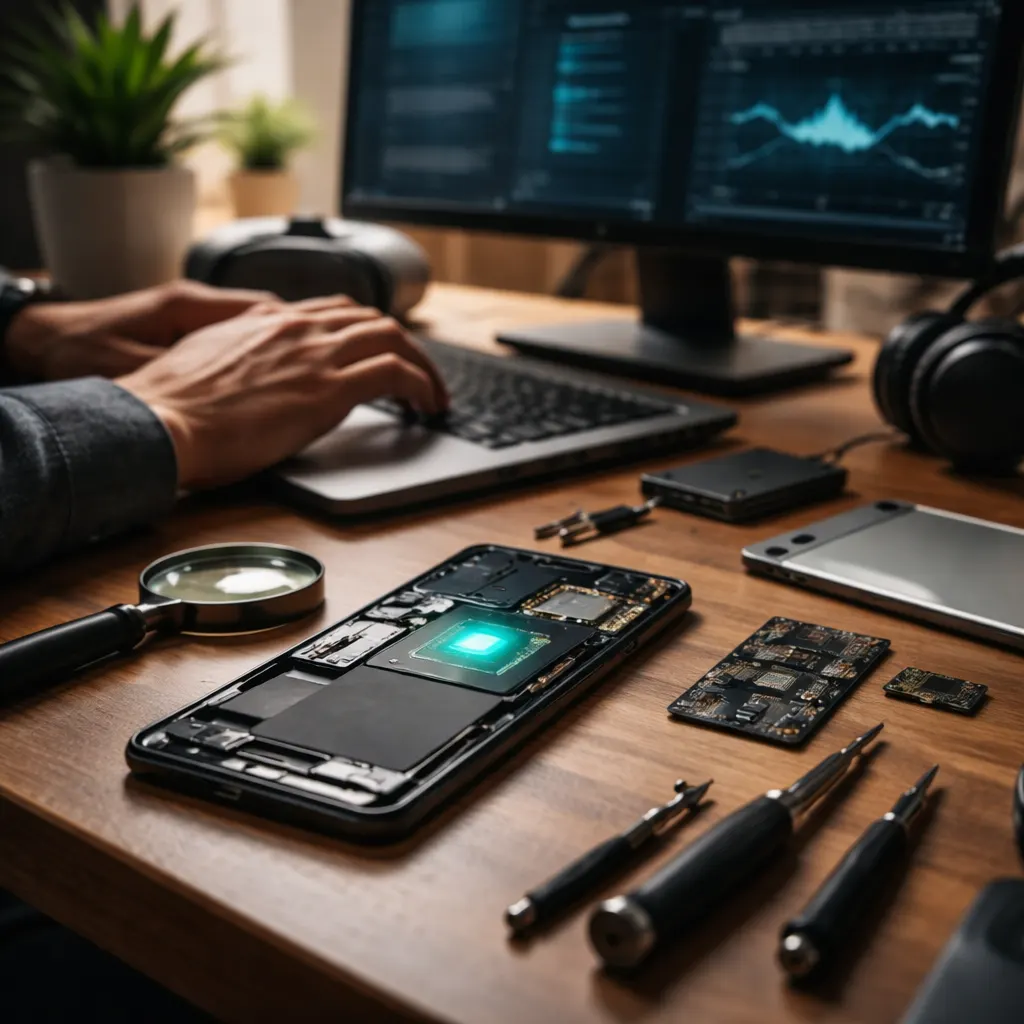
Padmanabhuni states that existing detection products from competitors including Reality Defender, Pindrop, Resemble AI, Microsoft Azure AI Content Safety, and Nuance operate in the cloud on remote servers, which prevents phone manufacturers from integrating them directly into devices and leaves targets with minimal defense. "What stayed with me wasn't the money," Padmanabhuni says of the incident involving her grandfather. "It was that he had no way of telling." DetectifAI designs compact AI models from the ground up to run inside a smartphone's operating system rather than shrinking large cloud models to fit on a phone, the report notes, delivering an instant determination on whether a voice is AI-generated during calls, in voice messages, and in other audio without the audio leaving the device.
The company is licensing its software development kit to phone manufacturers so detection can ship as a built-in feature of the operating system, with Padmanabhuni drawing a parallel to AT&T's exclusive role in the original iPhone launch: the first phone maker to integrate DetectifAI will gain a competitive advantage over rivals. A secondary revenue stream will come from licensing the technology to businesses and fraud-prevention firms, according to the report. DetectifAI has already generated early revenue and has raised a modest seed round from investors Josh Constine, a former TechCrunch editor, and Manohar Kamath, a principal at consulting services firm KM Growth. Padmanabhuni, who says she began working in machine learning at age 12 and studied cyber-physical systems at Manipal Institute of Technology in India, is positioning the startup to capture a slice of the growing market for deepfake defense as losses mount. The concentration of losses among older Americans underscores the urgency of making detection accessible through consumer devices rather than requiring technical knowledge to access cloud-based services. For phone makers, the opportunity to differentiate through built-in fraud protection could prove compelling as scam losses climb and families seek ways to protect vulnerable members from increasingly sophisticated AI-generated threats.