
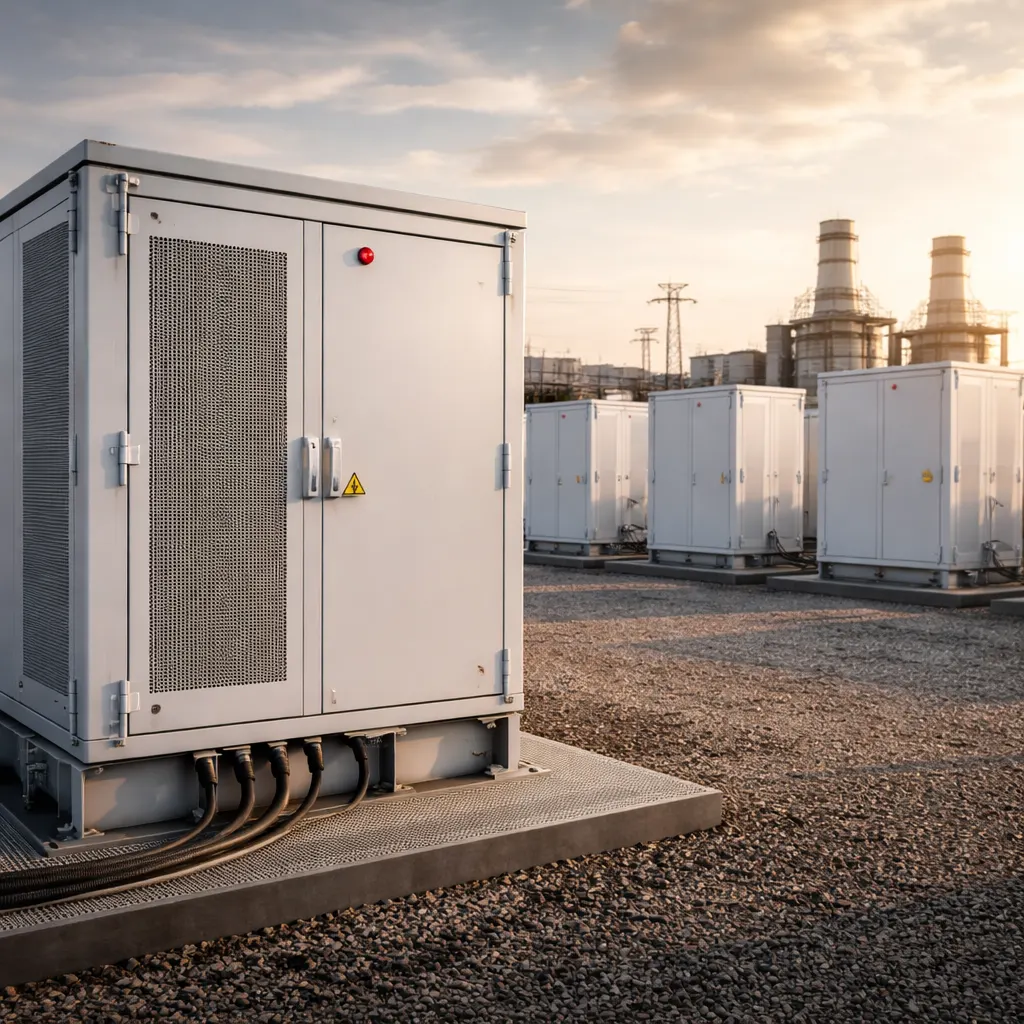
Four-hour duration batteries have become less expensive than open-cycle gas turbines across every continent and market surveyed, according to a new report from Wood Mackenzie published October 9. The consultancy examined 43 markets worldwide and found battery storage had achieved a cost advantage over the type of natural gas power plant favored by many data center developers. Wood Mackenzie predicts the price gap will widen in coming decades, with electricity from batteries continuing to drop while power from gas turbines grows more costly.
The report reveals that solar power remains the least expensive form of new electricity generation in every market Wood Mackenzie analyzed, maintaining its cost leadership even in North America despite tariffs and import restrictions putting pressure on prices. In the Middle East and Africa, four-hour batteries are projected to cost 33% less by 2035, displacing gas peaking plants on cost across every gas market in those regions. China's energy storage costs run 55% below neighboring countries. In North America, 168 gigawatts of utility-scale solar projects have protection from near-term price shocks through safe-harbor provisions in the One Big Beautiful Bill, which preserved tax credits for projects begun or completed before the end of 2027.
"This economic shift is decisive and widening," Ahmed Jameel Abdullah, principal analyst at Wood Mackenzie, said in a press release. The report finds that AI data center developers have been purchasing any gas turbine model available, driving up prices for the equipment. According to the analysis, open-cycle gas turbines—which are more readily available but less efficient and costlier to operate—have experienced particularly acute price increases. These turbines typically serve utilities as peaking power plants that generate electricity during periods of high demand, meaning rising turbine costs can increase expenses for utilities as well.
The report attributes the cost surge to severe supply constraints in the gas turbine market. Open-cycle turbines, despite being simpler to manufacture than closed-cycle models, now require two to four years to procure. Waitlists for closed-cycle turbines stretch into the early 2030s, and both backlogs have pushed up prices for all new natural gas power plants. The report lands as energy prices in the U.S. and elsewhere continue climbing, fueling inflation while data centers drive electricity demand to new heights. The surge in AI infrastructure has created competition for limited turbine supply, making gas-fired generation increasingly expensive at precisely the moment alternatives like batteries and solar are becoming cheaper.
Wood Mackenzie projects the market for U.S. natural gas will narrow over the coming decade as battery storage and renewable energy sources continue their cost declines. The combination of supply-constrained turbines, rising fuel costs, and cheaper alternatives positions batteries to displace gas peaking plants across global markets. For data center developers and utilities alike, the economics now favor energy storage over the gas turbines that have traditionally provided backup and peak power. The transition marks a fundamental shift in how new electricity generation capacity will be built, with batteries emerging as the more economical choice for meeting demand spikes and ensuring grid reliability. Strategic planners in both sectors will need to recalibrate infrastructure roadmaps as the cost crossover between storage and conventional generation accelerates faster than many anticipated.