
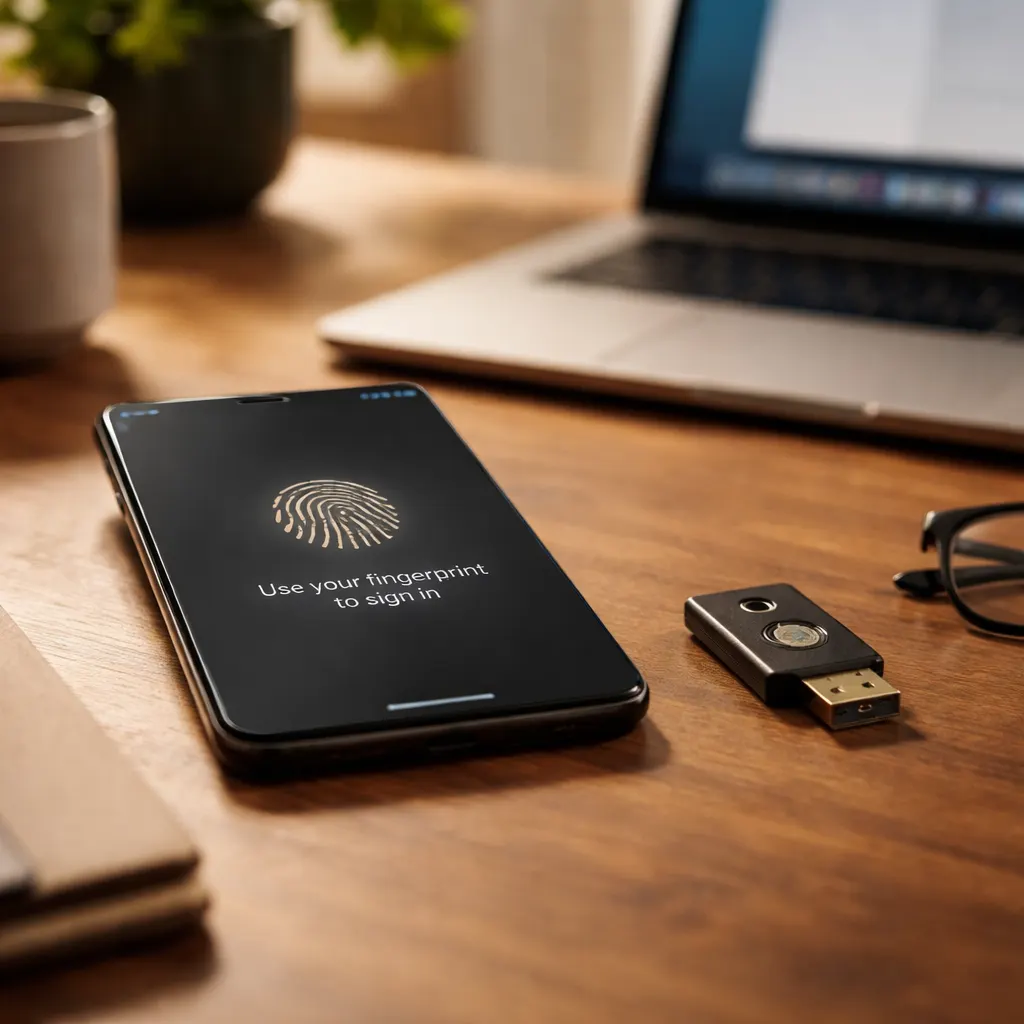
Starting today, passkeys have become the standard authentication method for Entra ID, Microsoft's cloud-based identity and access management service, marking what one analyst calls a potential "tipping point" for enterprise adoption of passwordless technology. By February 1, 2027, Microsoft will discontinue its SMS and voice authentication options entirely. The shift aims to push companies toward passwordless authentication, but security experts say most enterprises will adopt a hybrid approach that keeps traditional passwords alive for legacy systems.
The fundamental advantage of passkeys lies in their elimination of shared secrets altogether, according to the report. Rather than entering a guessable text string, users verify their identity through cryptographic key pairs that are unlocked locally using their device's biometrics or a PIN. The technology resists conventional phishing attempts because built-in cryptographic checks prevent a fake website from tricking a browser or operating system into deploying a passkey for an incorrect domain. Many consumer and enterprise platforms now provide passkeys as a sign-in alternative, with backing from government technical assurance bodies including the UK's National Cyber Security Centre.
"Passkeys dramatically reduce the effectiveness of phishing attacks by binding authentication to the legitimate application or website," Alex Laurie of Ping Identity stated, adding that Microsoft's move "reflects the growing maturity of passwordless authentication across the industry." Jason Soroko of Sectigo noted that while consumer use cases are well-suited to passkeys, "widespread business-to-employee adoption of passkeys still faces severe blockers," centered on operational hurdles like account recovery and compliance challenges when corporate credentials become tied to personal consumer platforms such as a bring-your-own-device Apple ID or Google account. Dray Agha of Huntress pointed to ecosystem fragmentation as another barrier, explaining that creating a passkey on an iPhone and attempting to use it on a shared corporate Windows machine "isn't seamless yet."
The report identifies several reasons why passwords will persist alongside passkeys. Passkeys depend on modern web standards and won't function with custom internal applications, older on-premise infrastructure, or specialized industrial workflows, according to the analysis. Security teams also face significant challenges around device loss and role changes—situations where workers need to regain access outside normal conditions. The report cites a Black Hat USA 2026 presentation on "Pass-the-Passkey Family of Attacks" as evidence that while passkeys block entire categories of threats, flawed implementations can still create vulnerability pathways including relay, replay, spoofing, or impersonation attacks.
For the near term, a hybrid strategy represents the only realistic path forward, security experts told the outlet. The report recommends that chief information security officers deploy passkeys aggressively for modern cloud applications to capture immediate security gains, while maintaining traditional phishing-resistant multifactor authentication or physical hardware tokens as a bridge for legacy systems. Organizations should roll out passkeys in phases—starting with pilot groups or selected applications to identify and fix problems on a smaller scale before expanding adoption enterprise-wide—rather than attempting to transition every application overnight. As legacy systems are gradually retired, passkeys can be introduced more broadly across the environment. Enterprises face a future where passwordless authentication gains ground steadily, yet the operational realities of corporate IT ensure that traditional credentials remain a necessary fallback for years to come.