
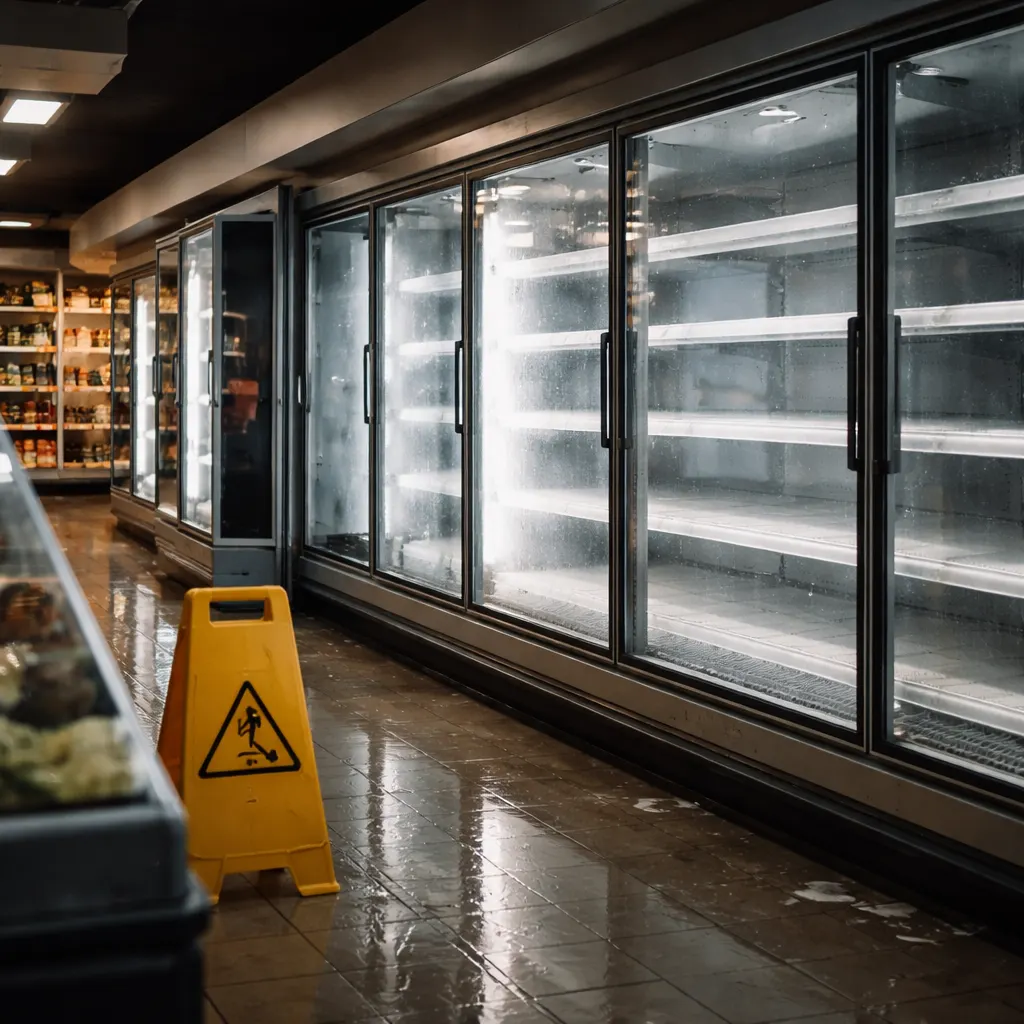
A wave of cyberattacks struck refrigeration systems at supermarkets across Belgium, Ireland, Sweden, Finland, and Estonia on Monday, just weeks after a similar assault on French retailers prompted an official security warning that most chains ignored, according to a report by CSO Online. The mid-October incident damaged food stocks and sparked fires, leading France's Computer Emergency Response Team to recommend disconnecting refrigeration control systems with public IP addresses from the internet. The follow-up attack on November 2 caused abrupt temperature shifts in fridges and freezers at retailers including Carrefour, Spar, and Ahold Delhaize, forcing stores to throw away valuable inventory.
The October assault prompted CERT-FR to issue an advisory urging organizations to reconnect refrigeration controllers only through secure VPNs after checking configurations and, if needed, restoring factory defaults. As an interim measure, the agency suggested filtering connections to permit only the IP addresses of refrigeration suppliers or service providers, though it warned this shouldn't serve as a permanent fix. A spokesperson for Ahold Delhaize confirmed the company identified an incident affecting refrigeration systems in dozens of Delhaize stores on Monday, November 2, and immediately took steps to limit the impact and maintain store operations. The situation has returned to normal, the spokesperson said, though the company discarded valuable food. No group has claimed responsibility for either attack.
Security consultants and analysts told CSO Online the delayed response is understandable given the tangled nature of these systems and the multiple vendors who typically handle them for major retailers. "There is some confusion about who owns what in this black box of outsourcing," Gartner Distinguished VP Analyst Katell Thielemann said, noting that while the affected European retailers own the hardware, they outsource maintenance, upkeep, and management. IDC Senior Research Manager Bobby Kuzma said "there's a huge gap in visibility between the folks who monitor threat intelligence and vulnerability reports, and the people who manage the OT/industrial side of the universe." The cybersecurity teams may not have realized the devices were network connected, especially if they relied on dedicated internet circuits for manufacturer support, he added.
The problem stems from several overlapping failures, according to the consultants. Asset inventory visibility remains a critical gap because organizations can't protect systems they don't know they have or scan for exposures on connections they're unaware exist, Kuzma explained. Thielemann said the incident proves cybersecurity still isn't a top priority in retail, since senior leaders aren't asking how to get ahead of these threats even when attacks are blatant. David Neuman, an executive advisor at Acceligence, pointed out that issuing a security advisory was never going to meaningfully address the hole when "an advisory doesn't fix a system nobody in the building owns." Contractors often install and service store refrigeration controllers under arrangements relying on constant data feeds, so they sit outside the security team's inventory and authority, he said. Taking controllers offline means finding them, then reworking how contractors access them, store by store—explaining the gap but not excusing it, since France gave everyone three weeks' notice. Brian Levine, a partner at Control Risks, said organizations have treated connected operational equipment as a facilities issue for years, and these incidents end that debate. Security professionals never dismissed the risk, but budgets deprioritized it because nothing had failed at scale—until now.
The attacks exposed deeper design flaws beyond simple network access. Noah Kenney, principal consultant at Digital 520, said he's most troubled by the range of actions attackers could perform once inside, since they reportedly manipulated refrigeration systems to operate far outside their intended parameters. Even if someone gains entry to a system, independent safeguards should prevent commands that could damage equipment or disrupt operations, he noted, and the fact that remote access can translate into physical damage suggests serious gaps in how these systems are designed and secured. Some devices had long passed their end-of-life, meaning security patches and other upgrades may have been unavailable, Kenney said. Organizations end up relying on equipment that still functions perfectly well operationally but can no longer be adequately secured, creating difficult decisions about network isolation, compensating controls, and ultimately when equipment needs replacement. Independent technology analyst Carmi Levy added that IT departments tend to ignore IoT systems, especially when functional units deployed them without permission from IT or cybersecurity teams. Enterprises don't view fridges the same way they view servers, smartphones, and other traditionally connected devices, meaning many organizations run connected devices such as appliances and floor cleaners with dangerously outdated firmware because they never identified them as connected in the first place.
Corporate legal issues may also undercut cybersecurity's need for quick action, according to Frank Dickson, principal analyst at Dickson Research. CERT-FR's own alert shows why response takes time, he said, since before cutting a controller off the internet, it tells operators to check the insurance terms in their contract with the refrigeration provider—one line that says a lot. Many controllers are installed, monitored, and guaranteed by a contractor who depends on the data feed, so the store may have neither the ability nor the authority to shut them down. Three weeks of warning is a long time for an attacker and a short time for a supermarket chain, Dickson said, urging retailers to close the door to the internet first and renegotiate contracts second. He also argued these refrigeration attacks pose an unexpected threat to traditional IT systems, since servers and other equipment are temperature-sensitive. An attacker who reaches the building management system doesn't need to touch a single server because the servers will shut themselves down rather than overheat. You don't need to hack the data center—you only need to hack the air conditioning. The broader lesson is that operational technology can no longer live outside the security perimeter, even when vendor contracts and legacy arrangements make that shift costly and slow. Retailers that continue to treat refrigeration as a facilities problem rather than a cybersecurity priority are gambling with both their inventory and their customers' safety.