
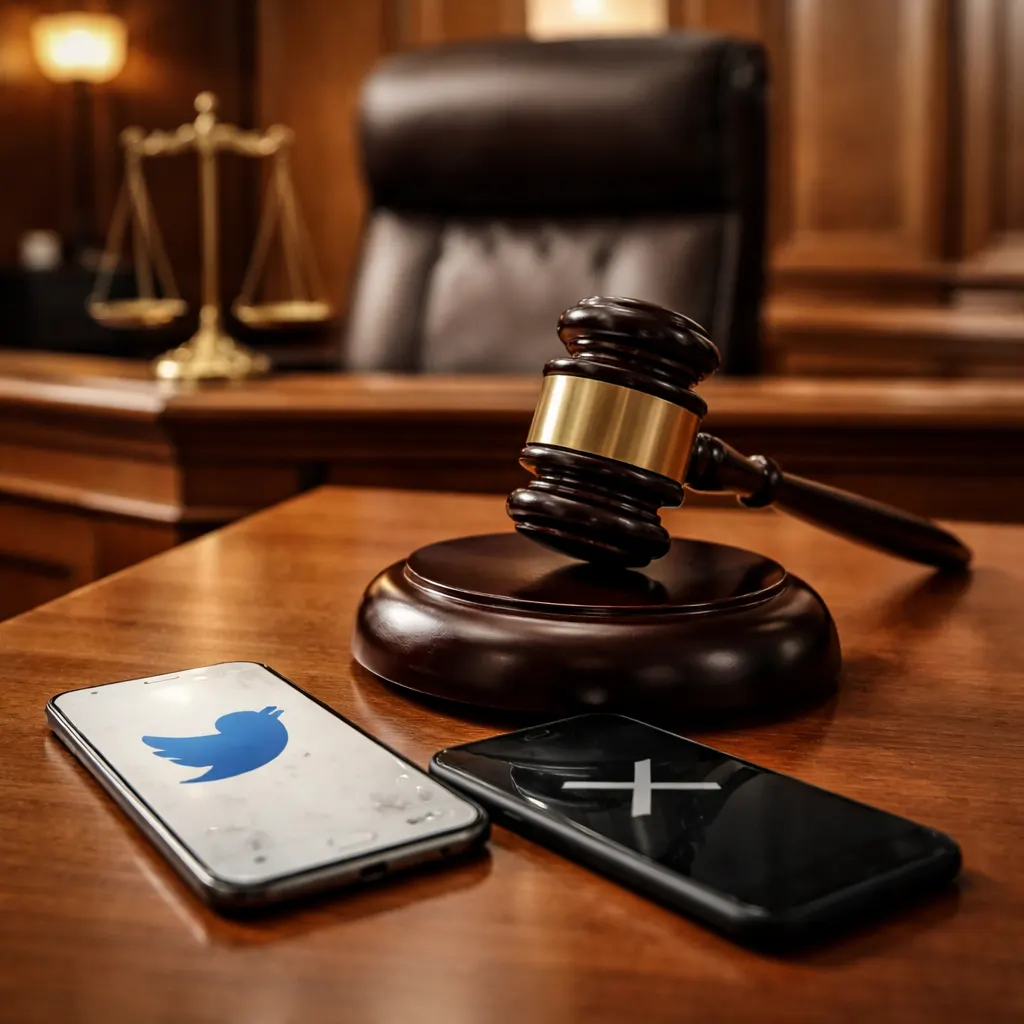
A federal judge in Delaware has issued a split ruling in a trademark dispute between Elon Musk's X and a startup attempting to launch a competing social network, according to a report published Thursday by TechCrunch. U.S. District Court Judge Colm F. Connolly blocked the startup, Operation Bluebird, from using the Twitter name itself but found that X had likely given up two other related trademarks: the word "tweet" and the Twitter bird logo. The decision isn't final, but it clears the way for the startup to use marks that X appears to have discarded during its rebrand.
Operation Bluebird initially launched under the name Twitter.now but has since rebranded as Tweet.app, capitalizing on the freed-up "tweet" trademark. The Virginia-based startup, led by two lawyers including founder Michael Peroff and Stephen Coates, a former trademark attorney at Twitter, told TechCrunch that more than 172,000 people requested handles on the site before it opened to the public. The company is charging users $20 to reserve their handle and join the social network. Judge Connolly granted X's request for a preliminary injunction on eight Twitter-related marks but denied it for the Tweet mark and the bird logo.
In his opinion, Judge Connolly wrote that Bluebird was "likely to succeed in proving both that X Corp. discontinued the bona fide use of the Tweet mark and Bird logo and that it intends not to resume the use of the marks," according to the court filing. Coates, who serves as president of Operation Bluebird, explained the company's position in an email statement: "They kept the word. They let go of the bird, and they let go of the tweet." He added that "a tweet was never a corporation. It's one person saying something. That word survived three years of a company trying to replace it, because the public declined to stop using it."
The case reflects broader questions about what happens to brand assets when a company abandons them during a rebrand. The report notes that the startup's homepage openly describes its mission as reclaiming what Musk discarded when he renamed the platform as X and "threw the bird away on his way out". Given that both founders are lawyers, the effort appears designed less around building a genuine social network competitor and more around acquiring trademarks that carry their own value. The case will continue to determine whether X ultimately retains rights to any of the Twitter marks, now that the company operates under the X brand in most contexts.
The preliminary ruling suggests courts may recognize that prolonged non-use can forfeit even well-known trademarks, setting up a test case for how rebrand decisions affect intellectual property rights. The startup's ability to attract 172,000 handle requests before launch indicates continued public attachment to Twitter-era branding, even as X has spent three years trying to replace it. Whether Operation Bluebird develops into a functioning social network or remains primarily a vehicle for trademark acquisition will become clearer as the legal proceedings advance and the service moves beyond early testing. The outcome could influence how other companies approach major rebrands and whether valuable brand elements can be reclaimed by third parties after abandonment. Trademark law traditionally protects marks that remain in active use, but this case tests where the line falls when a company deliberately walks away from iconic assets in pursuit of a new identity.