
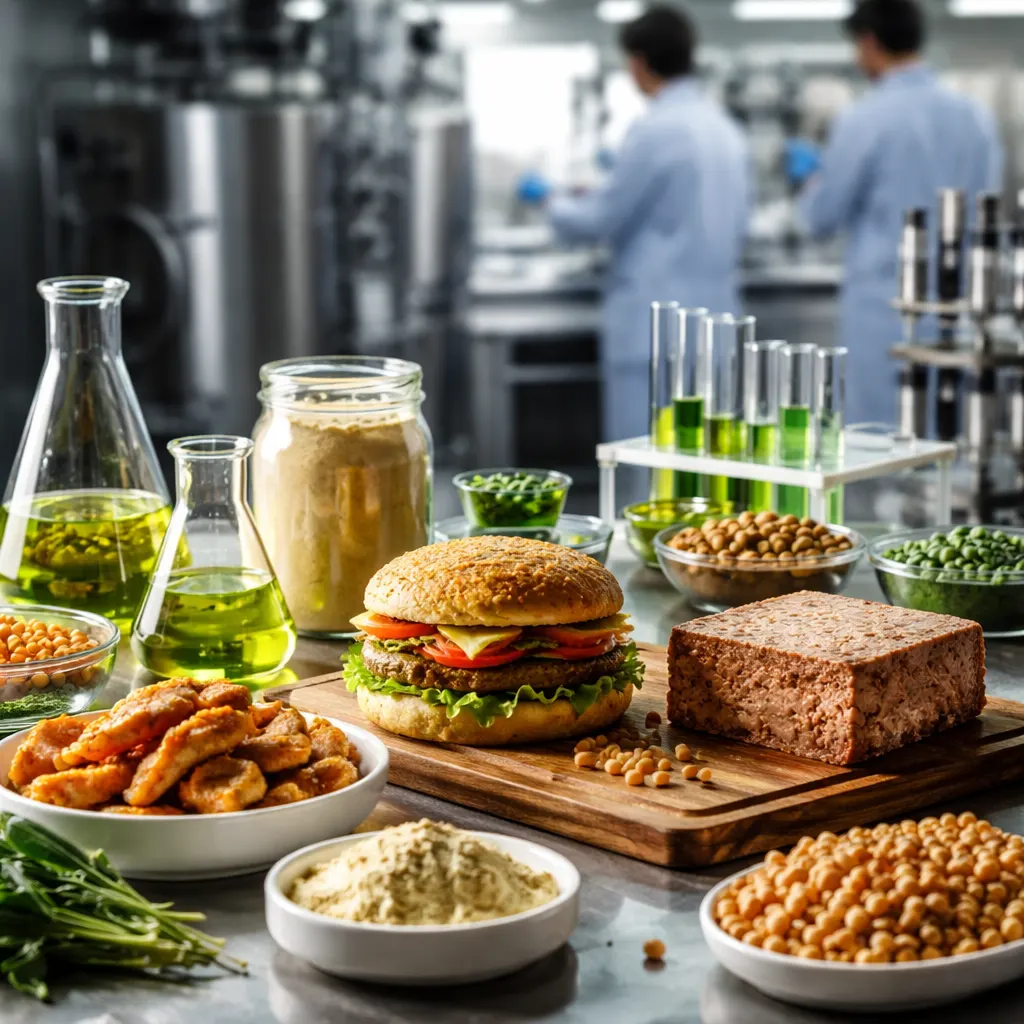
Investors poured hundreds of millions of dollars into protein-focused startups over the past year, with the largest single round reaching $250 million, according to a new analysis published by Crunchbase. The report identifies several dozen companies centered on protein that secured funding in recent months, marking a notable shift away from earlier bets on lab-grown and plant-based meat alternatives. While investment in protein remains modest compared to the billions flowing into artificial intelligence, deal activity has stayed relatively strong even as earlier ventures like Beyond Meat and Impossible Foods saw their valuations decline.
The September Series B for Medici Brands, maker of David Protein snack bars, accounted for the bulk of recent capital raised by packaged food startups. Wilde Brands, which produces crackers made from chicken breasts, pulled in $40 million last month. Early-stage venture Frozen One raised more than $8 million for high-protein ice cream now available at Target stores. In the beverage category, Ripple Foods has collected over $300 million across its 12-year history making vegan milk from pea protein, while newer entrants like protein soda brand Juuz and sports drink maker Protein2o are pursuing clear protein drinks. Ingredient-focused companies also attracted capital, with The Every Co. raising nearly $300 million over a decade for animal-free egg white proteins made through fermentation, including a $55 million round a year ago. In animal feed and pet food, InnovaFeed secured more than $500 million to raise insects for livestock, pet food and aquaculture, while nextProtein uses fly larvae for similar purposes.
The report characterizes earlier investments in lab-grown meat as largely unsuccessful to date, noting that "vast sums poured into lab-grown meat several years ago, for instance, have so far failed to produce a success story." Former high-flyers in plant-based meat have seen their valuations shrink, while other ventures closed entirely. Crunchbase observes that more recent startup investment has moved away from meat substitutes and toward adding protein to other packaged foods and beverages—a trend visible on supermarket shelves where brands increasingly highlight added protein in noodles, pancakes, cereals, energy bars and popcorn.
The shift reflects a broader strategic pivot among protein startups and their backers. Rather than attempting to replicate meat with plant-based alternatives, current ventures focus on protein as a sought-after macronutrient that can be concentrated and incorporated into diverse products. This approach capitalizes on consumer appetite for protein while sidestepping the challenges that plagued earlier meat substitute companies, which struggled with taste, cost and scalability. The report notes that while these protein-enriched products may not match the flavor of higher-sugar, high-fat options, they deliver on the macronutrient consumers actively seek. Meatly's recent Series A round to build what it calls Europe's largest cultivated meat facility illustrates another emerging path: targeting pet food brands and planning its own branded lineup once production reaches scale, avoiding the direct competition with conventional meat that tripped up predecessors.
The analysis suggests startups are finding more success by treating protein as an additive ingredient rather than building entire categories around meat alternatives. As funding continues to flow into snacks, beverages, novel ingredients and animal feed, the protein startup landscape appears to be settling into a more pragmatic phase focused on incremental enhancement of existing products rather than wholesale dietary replacement. The lesson from recent years seems clear: consumers want more protein in what they already eat and drink, not necessarily new foods that taste like something else. The competitive advantage may ultimately belong not to those who can make vegetables taste like meat, but to those who can quietly engineer familiar favorites to deliver a macronutrient boost without compromising flavor or convenience.