
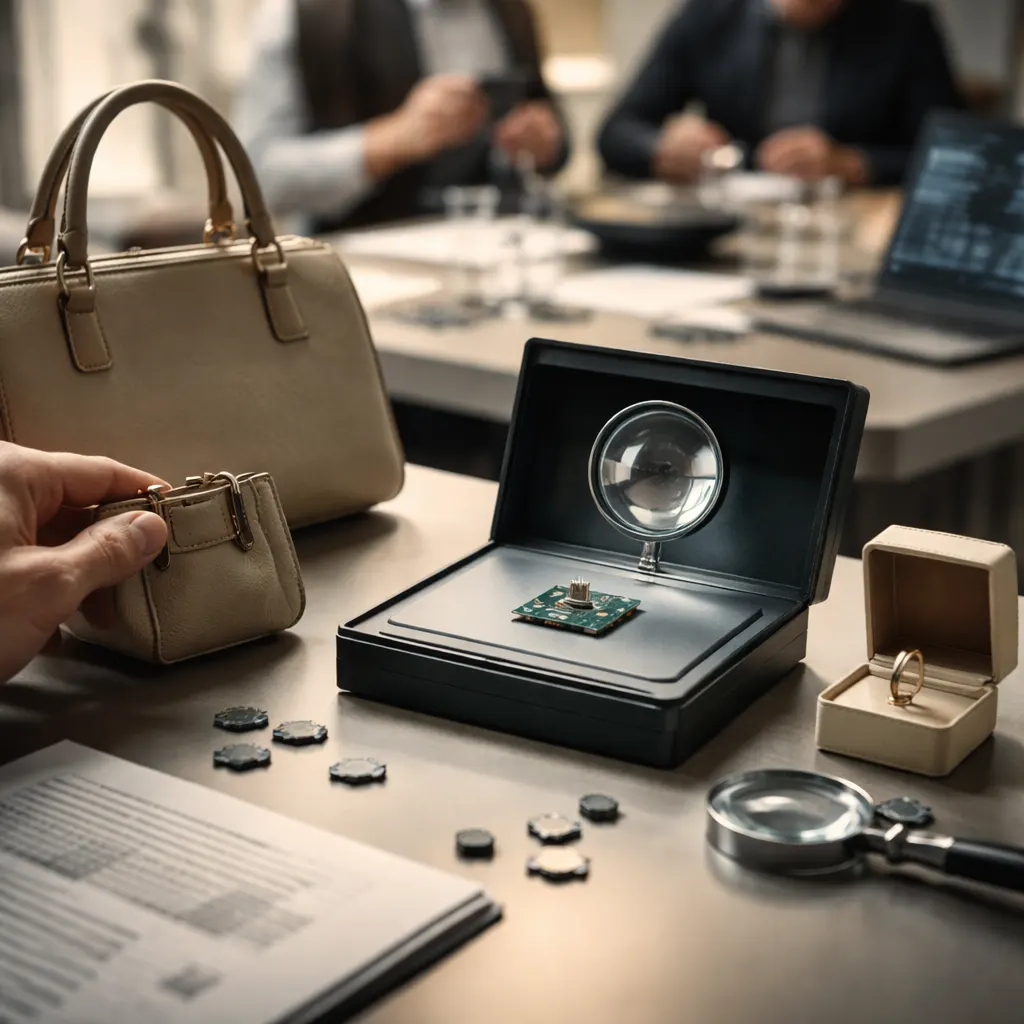
A startup called Veritas has introduced a specialized chip designed to authenticate luxury goods and combat the growing problem of "superfakes," counterfeit products that increasingly fool even experts, according to a TechCrunch report published this week. Founded by Luci Holland, a former technical product manager at Tesla with experience in design and art, the company aims to help fashion houses verify genuine items and give customers proof of ownership through a mobile app. The firm has raised $1.75 million in pre-seed funding and just launched its second-generation chip.
The new chip works on metal surfaces and can be read through glass, supporting uses in jewelry, trophies, hard-surface products, and glass objects like fragrance bottles, Holland told TechCrunch. The company embedded its technology into all 18 championship crowns for ATHLOS, a women's track-and-field competition founded by Reddit co-founder Alexis Ohanian, who also invested in Veritas through his venture firm Seven Seven Six. Additional backers include DoorDash co-founder Stanley Tang, Gloria Zhu of skincare brand Reys, and former TechCrunch editor Josh Constine. Since raising funds in February, Veritas has released an iOS app for consumers and a brand portal that lets companies manage product records, with features including clubs, event check-ins, and early access to product drops.
"Our approach combines secure, authenticated chip responses with integration into the product itself," Holland said. "Our chip generates a secure response with each tap and includes a tamper-detection wire. We make the connection between the object and its digital identity part of the proof." Holland explained that competing methods fall short because digital records can be copied through reproduced QR codes or static NFC links, making them easier for counterfeiters to defeat. The company also placed a chip in a pair of LeBron James' first Nike shoes, reimagined by artist Adam Port, which displays the shoe's history and story when tapped with a phone.
The chip addresses a critical vulnerability in luxury authentication by creating a dynamic, tamper-resistant link between physical products and their digital records. Traditional verification methods rely on static identifiers that counterfeiters can replicate, but Veritas' technology generates unique responses with each scan while physically embedding into products without causing damage. This dual-layer approach—combining hardware that detects tampering with software that confirms authenticity—makes it substantially harder for fake goods to pass verification checks. The chip's ability to work on metal and through glass expands its potential beyond garments into high-value categories where counterfeiting causes significant brand and consumer harm.
Veritas competed in TechCrunch Disrupt's Startup Battlefield this year, which ran Tuesday through Thursday with a winner announced Thursday afternoon. The company's technology represents a bet that luxury brands will adopt embedded authentication as superfakes become more sophisticated and harder to distinguish from genuine products. For brands struggling with counterfeit proliferation, the chip offers a way to protect both their reputation and their customers' investments in authentic goods. The approach may signal a broader shift toward hardware-based verification as digital-only solutions prove insufficient against increasingly skilled counterfeiters. Fashion houses and luxury manufacturers will likely weigh the cost of embedding chips against the financial and reputational damage inflicted by fakes that erode consumer trust.