
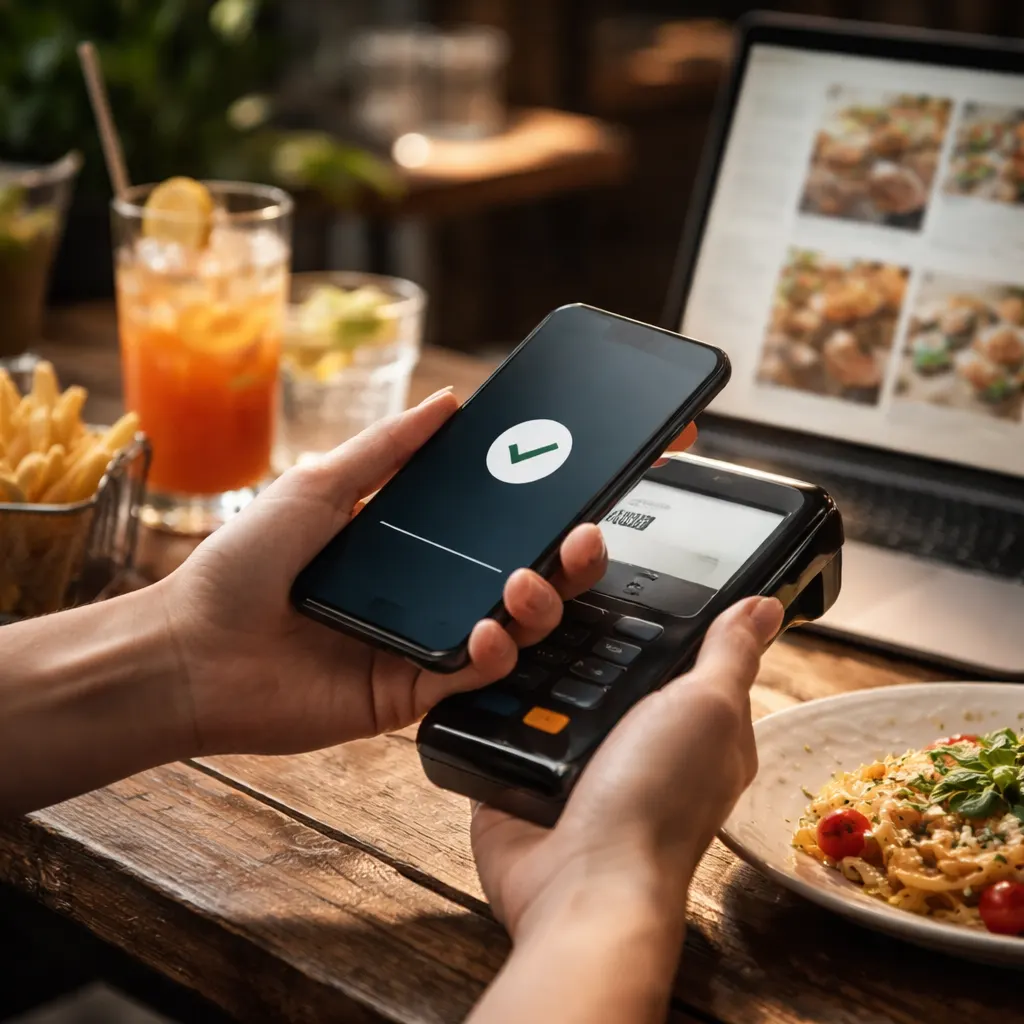
TikTok is building out payments and restaurant guides as part of a broader effort to transform itself from a social media platform into a "super app" where users can handle a wide range of daily activities without switching between applications, according to a TechCrunch report published this week. The company, which shifted to primarily U.S. ownership in January, has been steadily rolling out features beyond video sharing, including shopping, local discovery maps, games, and booking services. The super app model mirrors what's already dominant in China through platforms like WeChat, which combines social networking, messaging, payments, and an app marketplace in a single destination.
The platform recently launched "Must Eat," a community-driven restaurant guide that draws on more than 40 million posts and comments to compile recommendations and curated lists in one location. Users can browse restaurants by city and filter by cuisine, price, rating, and geography, putting TikTok in direct competition with Yelp and Google Maps. Bloomberg reported in August that the company is also developing a feature allowing users to send money through direct messages using TikTok Pay, which already powers purchases in Southeast Asia for TikTok Shop. Reuters reported in March that TikTok had applied to Brazil's central bank for approval to operate as a financial technology company offering lending and payment services. On the commerce front, TikTok Shop generated $15.82 billion in U.S. sales in 2025, up 108% from the prior year, after growing 407% in 2024, according to eMarketer data cited in the report. The company captured 18.2% of total U.S. social commerce last year and is expected to reach 24.1% by 2027.
The report notes that TikTok has also rolled out TikTok GO, which lets users discover and book hotels, attractions, and experiences directly within the app in the United States, positioning itself as a one-stop platform where viral travel content can drive bookings and revenue instead of directing users to third-party websites. In sports, the company launched a dedicated hub for the FIFA World Cup in early June, where users can view scores, match schedules, standings, trending videos, and highlights without leaving the app or opening a dedicated sports news service. The platform has also introduced microdramas through an in-app Minis section and a stand-alone app for bite-sized TV shows that can be watched in one-minute episodes, putting it in more direct competition with streaming giants like Netflix. Additionally, TikTok has launched casual games to get users to spend more time on the platform and engage with others in direct messages.
The moves reflect how TikTok is working to become the app people use for most of their digital activities, rather than one destination among many in a user's daily routine. By bringing financial services, commerce, entertainment, and local discovery into a single platform, the company is aiming to boost user engagement, open new revenue streams, and compete with fintech startups, e-commerce platforms, and Google's core Search and Maps businesses. The report highlights that TikTok has increasingly eliminated the need for users to turn to Google Search for details like exact locations or reviews by integrating detailed information about places—including opening hours, star ratings, and price ranges—right within its app. The underlying question remains whether a super app model can succeed outside of China, but TikTok's expansion across payments, booking, shopping, and entertainment suggests the company is committed to testing that proposition in Western markets. The platform's ability to convert viral content into immediate transactions—whether for a restaurant reservation, hotel booking, or product purchase—could redefine how users interact with digital services, especially if younger demographics continue prioritizing video-first discovery over traditional search engines. That shift would pressure established players to rethink their own feature sets or risk losing ground to an integrated competitor that keeps users within a single ecosystem from discovery to checkout.