
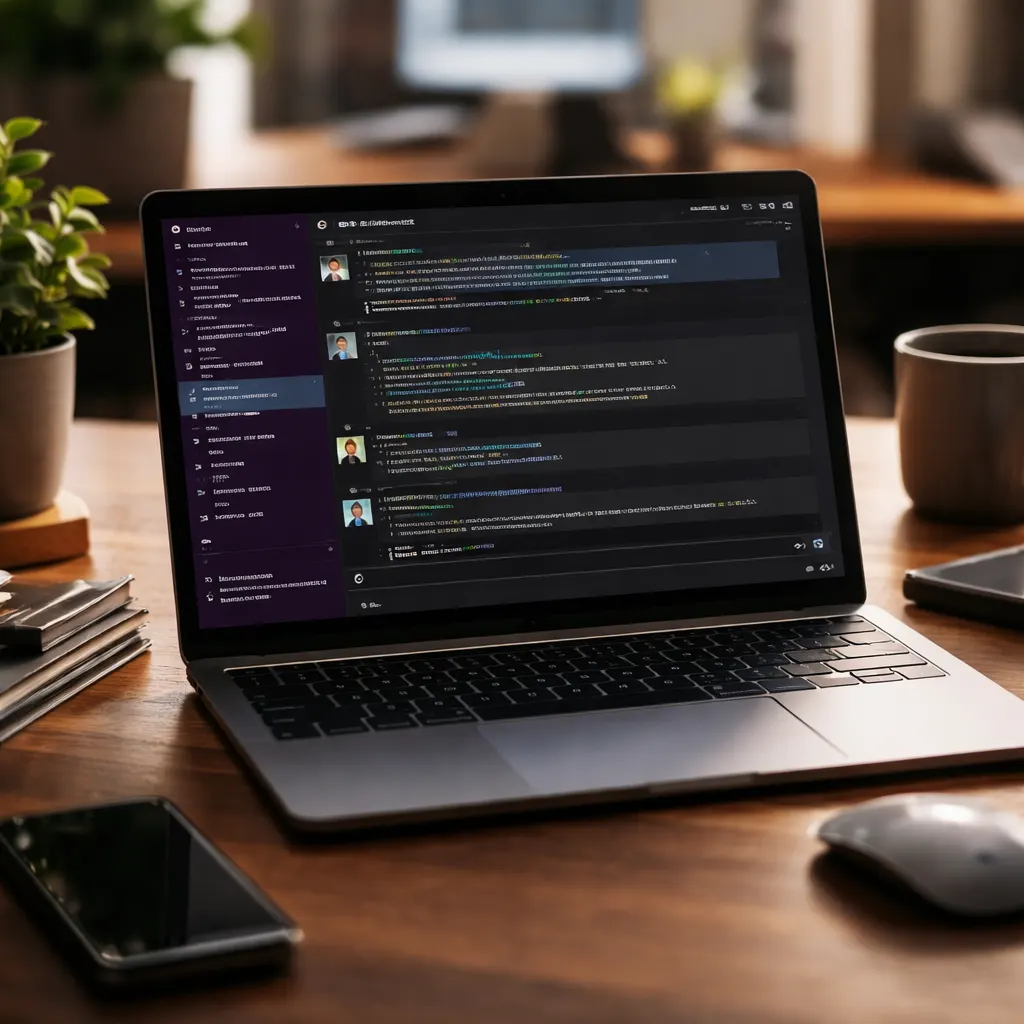
Slack on Thursday introduced Slack Code, a new channel type designed specifically for coding agents and the developers overseeing them. When you mention a supported agent anywhere in Slack and it determines the request suits a coding task, it creates a dedicated code channel containing its plan, the repository and branch under development, code differences, pull request details, and a live HTML preview of the result. The feature is available now at no extra charge on any Slack plan, including free workspaces, for teams using Anthropic's Claude, Cognition's Devin, GitHub Copilot, and Vercel, with OpenAI's ChatGPT support coming later.
The new channel type operates differently from standard Slack channels in several key ways. Code channels auto-archive when the work finishes, though they remain searchable and can serve as an audit log, according to Slack. Only agents can create these channels — humans can't spin them up themselves, at least not yet. Each code channel inherits the visibility settings of the conversation where the agent was mentioned, making it public or private accordingly. People participating in the channel can request modifications or halt the agent's work before it completes.
Katie Steigman, vice president of product at Slack, told The New Stack that traditional threads work well when an agent responds with a message or two, but fall short for extended coding sessions that bring in additional people. "You want to bring people in, and now if you do that in a thread, you're kind of blowing up the channel," she said. Standard channels present the opposite challenge — Slack built them as lasting team spaces, while an agent's coding session typically has a defined endpoint. "They're a little bit too permanent," Steigman noted. "They aren't quite flexible enough for agents."
The shift reflects a broader move from isolated, single-user AI work — happening in terminals, IDEs, desktop apps, or browser sessions — toward collaborative team infrastructure, according to Steigman. Slack built an API that allows partner agents to create and manage the new channel format, but the integration doesn't run on Model Context Protocol or Agent2Agent standards. Access to the code channel APIs remains limited to launch partners for now, with plans to expand to more coding agents later. Agents inherit Slack's existing permissions and admin controls, and high-stakes actions still require human approval — in a demonstration, Steigman pointed out that someone would need to approve the pull request in GitHub before her sample change could deploy. Steigman says Slack's core product teams are monitoring how agent-generated messages affect human behavior, aiming to add more agents without turning Slack into "crazy bot land." She notes the company is already seeing code channels used for documents, presentations, and incident response, even though the interface remains built around repositories, branches, pull requests, diffs, and previews. The company is betting it can become the place where agent work gets reviewed regardless of which agent performed the work — a similar wager to GitHub opening Agent HQ to Claude and Codex alongside its own Copilot. Slack is owned by Salesforce, which sells Agentforce, yet Slack Code hosts Anthropic, OpenAI, GitHub, and Cognition at no charge. For enterprise teams already running both human and automated development workflows, the platform's value will hinge less on which model drives the agent than on whether centralized review actually surfaces problems faster than distributed tooling would.