
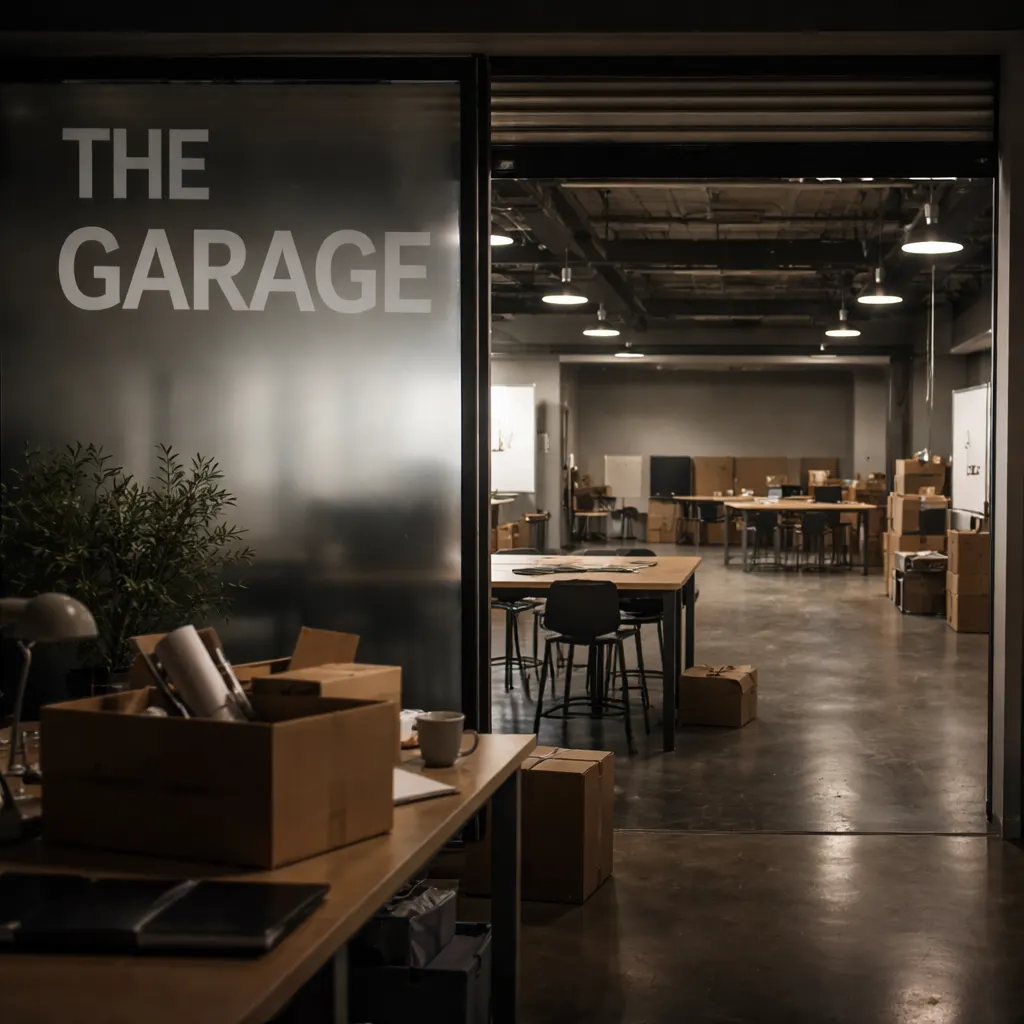
Microsoft is shutting down The Garage, a network of maker spaces where employees developed experimental projects and collaborated during the company's annual hackathon events, according to an internal FAQ obtained by Notepad. The central Garage location at Microsoft's Redmond, Washington campus anchored approximately 15 sites across the US, Canada, Europe, the Middle East, Africa, and Asia. The program allowed employees to experiment with prototypes, build hardware, and transform personal hobbies into commercial Microsoft products over its 17-year run.
Over nearly two decades, The Garage produced numerous apps and services, including the AI-powered Seeing AI app that narrates objects and text for people who are blind or have low vision, which emerged from a 2015 hackathon and shipped a decade ago. Microsoft employee Tuong Do created Mouse Without Borders through The Garage during evenings and weekends, an application still available today that enables users to control up to four PCs with one mouse and keyboard. The Xbox Adaptive Controller, an accessibility-focused gaming device, originated at a hackathon where employees experimented with Kinect motion-sensing technology to track movements and translate them to an Xbox controller—a project that grew from nearly 40 participants to more than 80 employees and starred in Microsoft's 2019 Super Bowl commercial. Microsoft has removed The Garage hall of fame website, erasing the workshop's documented history.
Some Garage spaces will close as soon as Friday, October 23rd, and the shutdown will affect Microsoft's annual employee hackathon event, which may disappear entirely. "As we look to the future, the hackathon team is reimagining the program to meet the needs of today's employees, customers, and technology landscape," Microsoft stated in the internal FAQ. The company is attempting to persuade employees that "the spirit of experimentation that once lived primarily in dedicated programs is now reflected in how teams work every day," though employees view the closure as part of Microsoft's ongoing cutbacks. Earlier this year, Microsoft closed its employee library—which housed thousands of books, journals, and reports—and reduced subscriptions in favor of an "AI-powered learning experience."
The closure follows a pattern of workforce reductions, with Microsoft's annual report showing approximately 223,000 employees as of June 30th, down 5,000 from the prior year's 228,000—the first headcount reduction in a decade, following the Nokia phone business cuts in 2015 and 2016. The company laid off more than 9,000 employees over the past year. Microsoft's internal FAQ expressed gratitude to "the employees, volunteers, and partners who helped build The Garage and look forward to continuing its legacy in new forms," though it's difficult to envision anything matching the combination of expert advisers, dedicated maker spaces, hands-on workshops, and internship programs The Garage offered employees seeking to develop new skills. The decision to eliminate a physical innovation hub that regularly attracted CEO Satya Nadella's attention and produced commercially successful products raises questions about whether distributed experimentation can replicate the creative friction and cross-team collaboration that dedicated spaces enable. Companies betting on remote-first culture may find that some forms of innovation resist virtualization, particularly breakthrough hardware projects that require specialized equipment and serendipitous encounters between engineers from different divisions.