
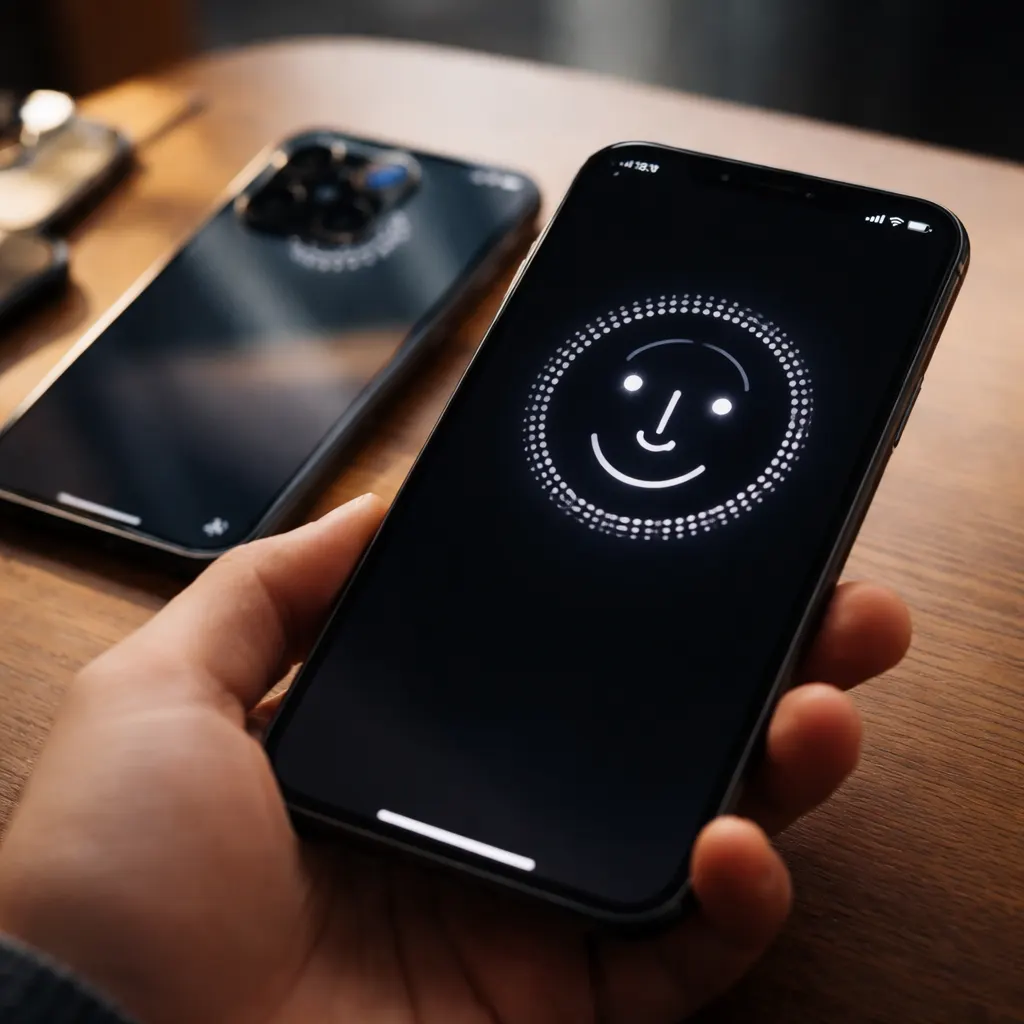
Apple is rolling out a face unlock capability for the iPhone Duo in its iOS 27.3 beta release, addressing one of the most frequent criticisms from technology reviewers about the company's first foldable device. According to a TechCrunch report published November 16, the update lets Duo owners unlock their phones using the front-facing camera instead of relying solely on Touch ID, though the feature isn't the same as the Face ID system used across Apple's standard iPhone range. The change comes as Apple works to make the Duo feel more familiar to customers accustomed to unlocking iPhones simply by looking at them.
The new face unlock works only when the iPhone Duo is closed and only after users have recently verified their identity with Touch ID or a passcode. After 45 minutes without activity, users must authenticate again with Touch ID before face unlock becomes available. Apple Pay transactions and password management will continue to require Touch ID exclusively, the report states. The hardware limitation stems from the Duo's slim, folding form factor, which doesn't provide enough room for the TrueDepth sensor array that Face ID depends on—a system that projects more than 30,000 invisible infrared dots onto a user's face to create a three-dimensional facial map. The iOS 27.3 beta also incorporates a shortcut that early Duo users had been creating manually: a setting that automatically locks the phone when closed, now accessible directly through the Display and Brightness menu.
Apple announced that more than 200,000 applications are now optimized for the iPhone Duo, up from over 100,000 earlier this month, the report notes. The software update includes additional features such as the ability to ask Siri about content on web pages even when that content isn't visible without scrolling. Video podcasts are coming to Apple Podcasts within the Apple TV app, and Apple News puzzles are expanding to News+ subscribers in Australia, the United Kingdom, and for French-Canadian users, with different puzzle selections available depending on region.
The face unlock addition reflects Apple's attempt to bridge a gap created by the Duo's design constraints, which prevented the inclusion of the TrueDepth sensor required for the more secure Face ID technology. Bloomberg has reported that Apple is developing a future iPhone Duo version that would support Face ID, though no timeline was provided. Because the current face unlock relies only on the front camera rather than three-dimensional sensing hardware with attention-awareness checks, Apple has limited its use to device unlocking alone—not authentication for payments or passwords—since it's more vulnerable to spoofing with photographs or two-dimensional images than the infrared-based Face ID system. The iOS 27.3 update is currently available to developers and will reach public beta testers soon before a wider release to all users following additional testing. For businesses evaluating foldable devices, the interim solution highlights the inherent tension between cutting-edge form factors and mature biometric security. Apple's stepped approach—offering convenience without compromising critical authentication—may set expectations for how other premium hardware makers balance innovation with infrastructure readiness.