
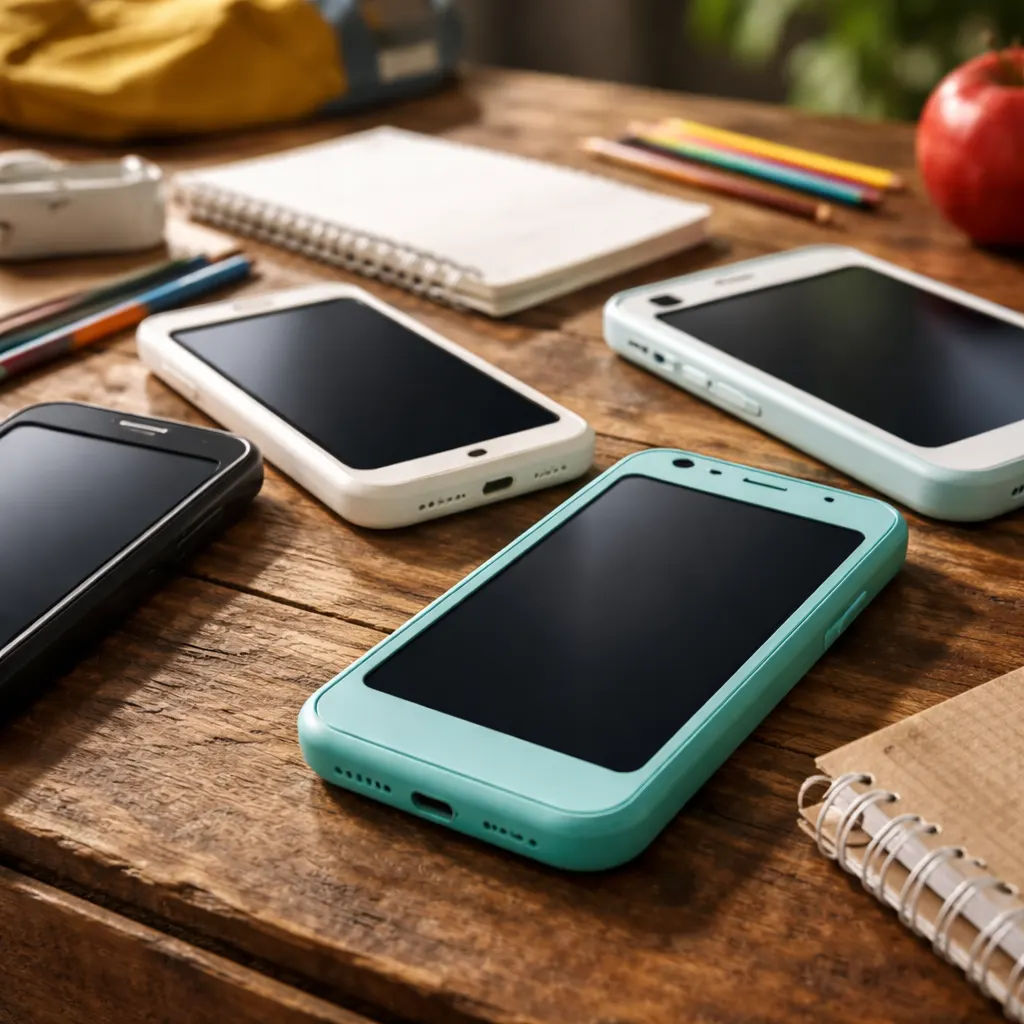
As parents grow more worried about the risks of unrestricted smartphone use among children, a rising number of companies are building devices tailored specifically for young users, according to a TechCrunch report published November 7, 2026. Today's kid-oriented phones generally include touchscreens, cameras, and messaging functions similar to standard smartphones, but the software is heavily altered to block or limit web browsers, social media platforms, app stores, and other distractions. Parents typically control these devices through a companion app that lets them approve contacts, track locations, impose screen time restrictions, choose accessible apps, and sometimes receive warnings about cyberbullying, explicit material, or online predators.
The Bark Phone, built on Samsung Galaxy hardware, sells for $240 plus a mandatory wireless plan starting at $29 per month, with higher-tier plans adding internet access and unlimited texting. Gabb phones start around $159.99, with cellular service beginning at roughly $24.99 monthly, and the devices don't include social media, a browser, or an app store, instead offering calling, texting, and preloaded apps like a camera, calendar, and calculator. Pinwheel phones begin around $119, while the Caregiver Portal subscription starts at $14.99 per month without cell service, and the company recently launched two landline phones priced at $68 and $79, plus a smartwatch at $160. Teracube Thrive currently sells for $99 with plans starting at $35 per month, while Ooma MyPhone, a kid-focused home phone designed as a modern landline replacement, costs $99.99 with service starting at $7.99 monthly. Tin Can, which resembles a landline phone with a distinctive tin can design, costs $100 and offers a free plan for calling other Tin Can users, plus a $9.99 per month plan for calls to all approved contacts. Waffle recently opened preorders for its screen-free devices—Waffle Home at $119 and Waffle Go at $169—with shipments scheduled for November 23. TextNow's new Yello! phone costs $149.99 upfront with a $19.99 monthly plan.
The report notes that Bark continuously scans texts, emails, photos, and supported apps for signs of cyberbullying, grooming, suicidal ideation, sexual content, and other potential concerns, then sends alerts to parents. A standout feature, according to the report, is that parents can gradually unlock web browsing, apps, and other features as their child matures, with the phone also including GPS tracking and screen-time management. Gabb touts its "worry-free" music streaming library with millions of songs, while optional services such as "Gabb Guard" help block spam calls and unwanted texts. Pinwheel's ability to create different "modes" throughout the day stands out, the report states, with one example limiting the phone to calling and navigation during school hours before unlocking additional features after homework.
These devices reflect a shift in how companies approach child safety, with some emphasizing monitoring and gradual feature unlocks while others focus on eliminating online risks entirely by removing browsers and social media altogether. The report describes Teracube's Thrive OS as a tailored version of Android that enables parents to approve every app download, filter web browsing, set app-specific and overall screen-time limits, monitor location, and create customized routines for school or bedtime, though because it has more traditional smartphone features, it's often recommended for older children. Ooma MyPhone allows calls only between approved contacts through its Trusted Circle feature, offers scheduled Quiet Hours, provides address-based 911 service, sends emergency alerts when 911 is dialed, and lets parents review call logs through an online portal, with no apps, internet browsing, texting, or social media. The variety of approaches—from full smartphones with heavy restrictions to minimalist devices offering only calling and texting, plus landline alternatives—gives parents options based on their child's age and maturity level. The entry of TextNow, an established Canadian telecommunications company, into this market with its Yello! phone signals that kid-specific devices are moving from niche offerings to a recognized product category within the broader mobile industry. Families searching for alternatives to mainstream smartphones now face a crowded field, each vendor competing on price, features, and the philosophy of whether to monitor online activity or block it outright.