
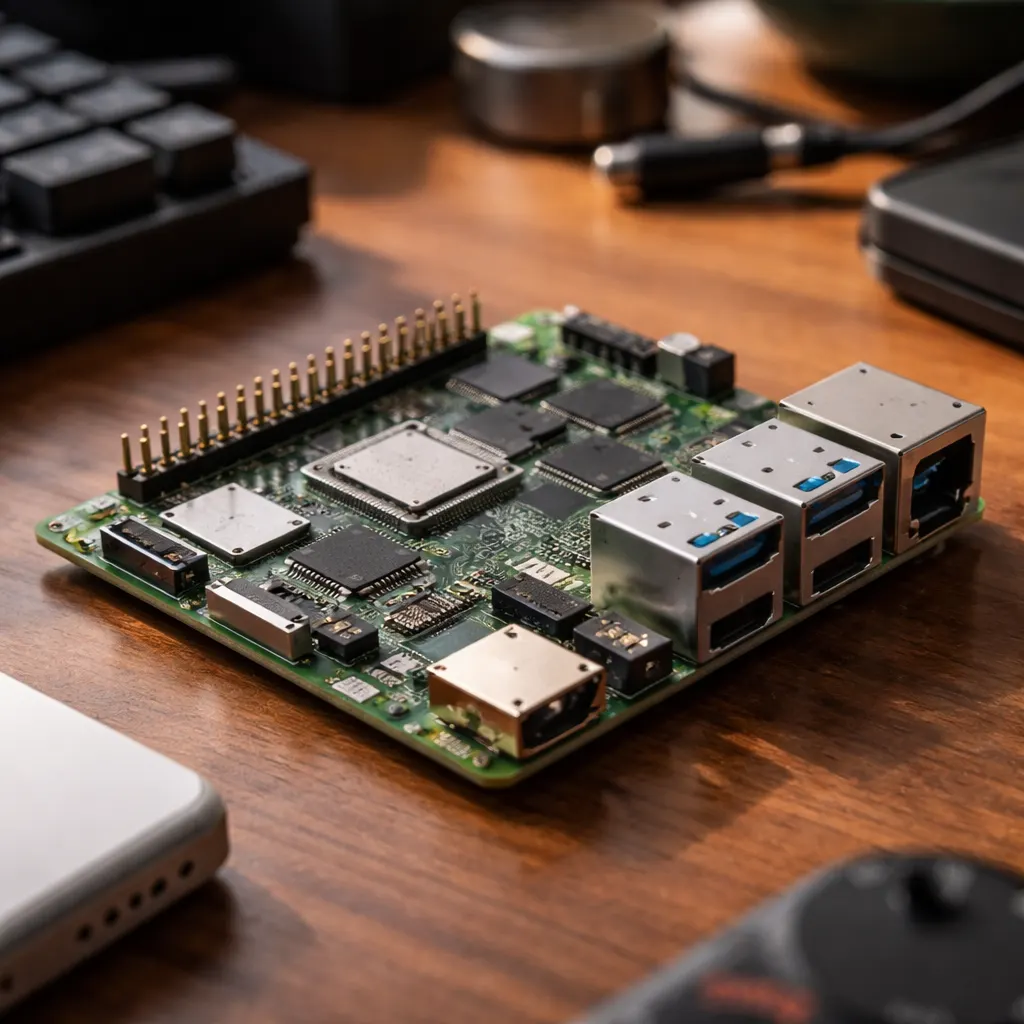
Raspberry Pi has raised prices again, pushing the cost of its 16GB Pi 5 to $385, more than three times what it sold for at launch, according to an announcement by the company on November 3, 2026. The latest increase adds $80 to the model's price tag, coming just a month after the company's previous round of hikes. Raspberry Pi CEO Eben Upton attributed the jump to surging memory costs and a scarcity of suppliers able to provide 16GB DRAM chips.
The 16GB Pi 5 debuted in January 2025 at $120, a figure that now appears modest in retrospect. The company tacked on $25 in December of that year, followed by an additional $60 in February 2026 and another $100 in April. Today's $80 bump brings the total increase to $265 over less than two years, representing a 221 percent price surge. The 16GB Compute Module 5 variants are also climbing $40 higher, though the Raspberry Pi 500+ with equivalent RAM has been spared this round. Just a month ago, Raspberry Pi raised prices on its 2GB Pi 4 and Pi 5 models by $12.50 each, pushing them to $67.50 and $77.50 respectively.
The increases come even as Raspberry Pi posted strong financial results. In September, the company reported that first-half revenue jumped 90 percent to $256.9 million, while gross profit climbed 79 percent to $59.4 million. Gross profit per board rose 53 percent to $12.20, aided in part by memory the company had purchased before prices skyrocketed. According to Upton's announcement, "a lack of alternative supply for 16GB DRAM, compounded by other ongoing component shortages" has forced the company to implement further price hikes on its highest-memory products. That earlier stockpile advantage has largely evaporated, he noted.
Upton cautioned customers that some vendors are exploiting the shortage conditions by charging inflated prices or selling products that misrepresent their specifications, urging buyers to purchase only from approved resellers. For those unwilling to pay nearly $400 for a single-board computer, he recommended purchasing models with less RAM, using older Pi versions, or optimizing software to function with reduced memory. The company maintains that the price spikes are temporary and will reverse once memory costs decline, with Upton writing that "the current memory landscape is difficult but ultimately temporary." However, that relief may be distant: Micron has previously warned that memory shortages could persist into 2028 or later, suggesting customers hoping for a return to the original $120 price point face a long wait. The hobbyist computing space now confronts a choice between paying premium prices for full-featured boards or accepting significant compromises in capability. Enterprises that embedded these devices into product designs may now need to reassess whether alternative platforms offer better cost stability over the long term.