
Also, the micromobility startup that separated from Rivian in 2025, quietly launched and then abandoned an electric two-wheeler pilot program in Kenya earlier this year, TechCrunch has learned. The company walked away from the project, which received grant money from the Shell Foundation, to concentrate resources on its consumer e-bike and autonomous vehicle goals. Meanwhile, supply chain troubles forced Also to repeatedly push back deliveries of its premium consumer e-bike, the TM-B, which finally began reaching customers in early October after months of delays that frustrated reservation holders.
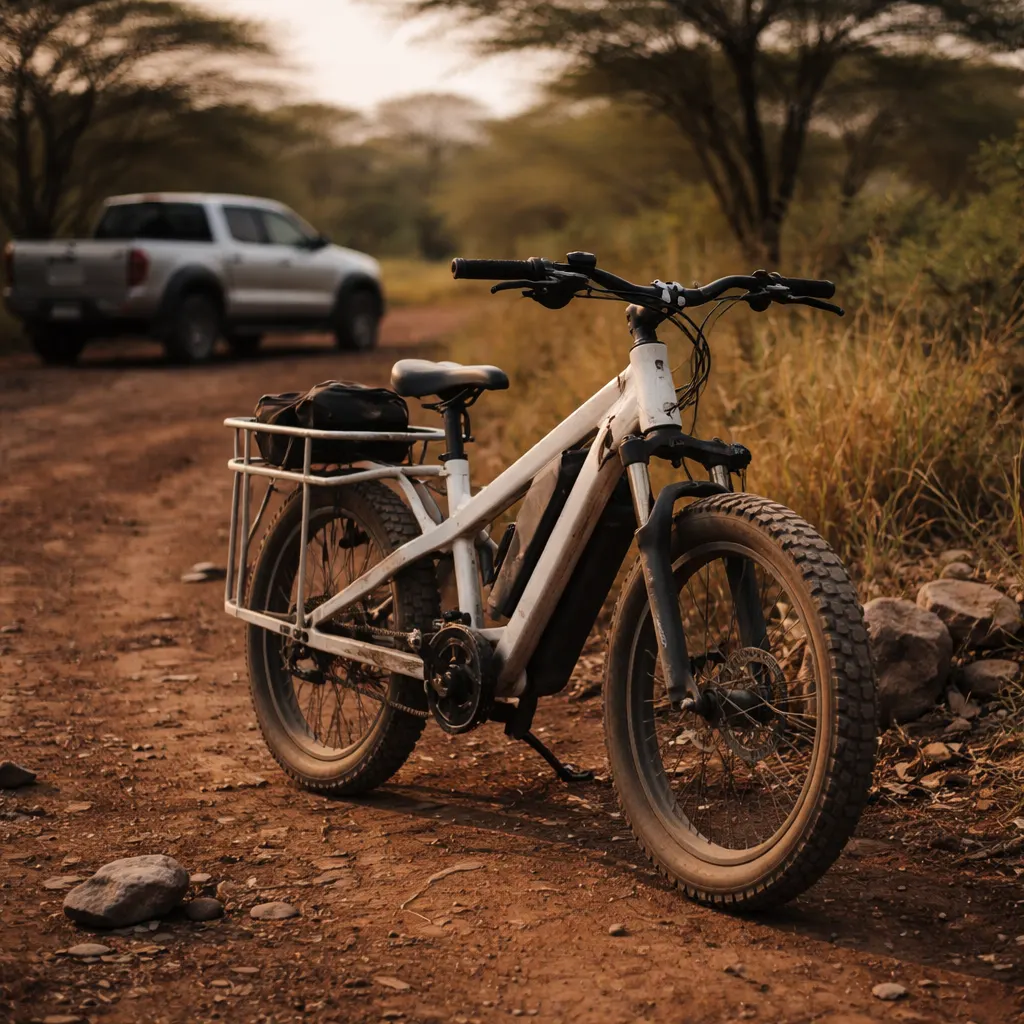
The Kenya initiative was designed to enable global manufacturers to enter Africa's electric vehicle market by testing a locally integrated electric two-wheeler platform in Kenya, with plans to expand across East Africa, according to a Shell Foundation website section that has since been deleted. Also was set to develop modular battery designs, distributed charging infrastructure, and a purpose-built electric motorcycle for African riders. The Shell Foundation said the project aimed to generate evidence on driver income increases, operational performance, and commercial viability. Also completed only early-stage work before deciding to focus on its core roadmap, telling TechCrunch in a September email that the grant funding would follow the project to support ongoing development with an unnamed partner.
Co-founder and president Chris Yu acknowledged during an interview at TechCrunch Disrupt last month that the company handled communication poorly with customers waiting for the TM-B. "I think we did a pretty poor job communicating to our reservation holders through the summer when they were all waiting, and we got called out for that," Yu said. He explained that no single issue caused the delays — instead, the company spent much of the year battling supply chain problems that popped up almost weekly, making it difficult to give customers reliable updates. At one point, Also found itself competing for the same raw materials used to make printed circuit boards for AI data centers, while at other times the company struggled to navigate certification requirements with different government agencies.
Yu said the Kenya pilot initially aligned with Also's mission to build small, purpose-built vehicles that are cost-optimized for specific markets, but other priorities took over — particularly developing small autonomous vehicles as part of a partnership with DoorDash. He believes there's a "high chance that autonomy will show up first, and at a broader scale in these types of purpose-built smaller vehicles than at scale in passenger vehicles," which drove the decision to concentrate attention on autonomy given its urgency and pace. Getting the TM-B launch back on track is crucial for Also because it's the company's most visible consumer product, even though commercial cargo bikes for companies like Amazon and the DoorDash partnership represent bigger revenue opportunities next in the pipeline. Early TM-B customers have already reported issues including delivery damage and noticeable battery drain, problems the company will need to address as it works through the inevitable kinks of a first product. The challenge ahead for Also is executing on multiple fronts simultaneously — autonomous delivery vehicles, commercial cargo bikes, and a consumer e-bike that's been described as "kind of a computer on wheels" — while learning to communicate more transparently when problems arise. The company's improved communication has earned some goodwill from customers on Reddit, a resource it'll need as it scales beyond its rocky first year of independence.