
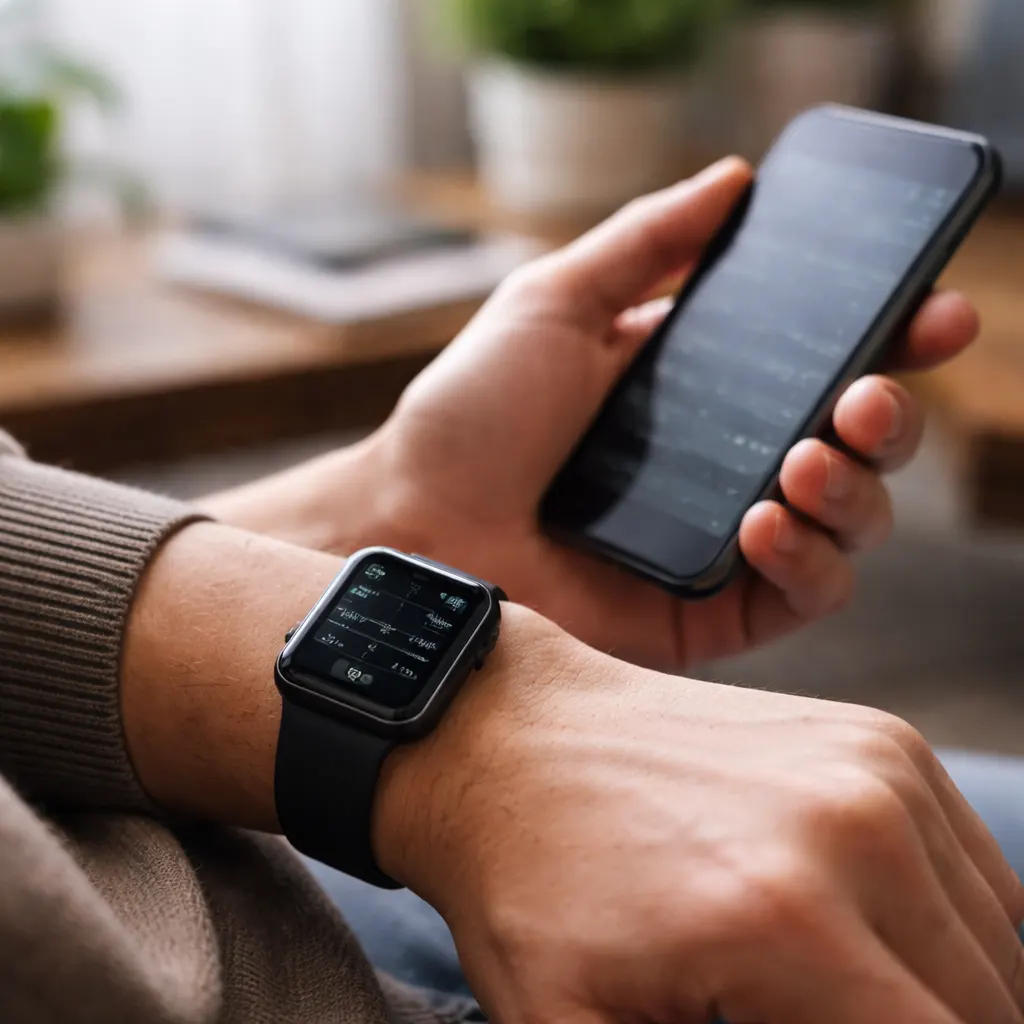
More than half of wearable device users say the data they collect has never led them to change their behavior or visit a doctor, according to a new longevity survey from venture capital firm a16z. The report, published by a16z partners Daisy Wolf and Eva Steinman, surveyed 500 Americans to identify trends in health technology adoption and predict future developments. Despite high engagement with wearables, the findings reveal a significant gap between daily use and meaningful health outcomes.
Among the 270 wearable users surveyed, 83% check their devices at least once daily, demonstrating that these products have become embedded in users' routines. However, 55% reported that the information they've gathered has never prompted them to modify their habits or seek medical care. Nearly three in four respondents said they would be willing to wear a second device if it tracked something their current wearable doesn't measure, pointing to unmet demand for broader health monitoring capabilities.
The authors write that they "expect the next wave of wearables to build on that curiosity, giving people more insight into their bodies and a clearer sense of what to do with it," according to the report. The survey was part of a16z's broader State of Longevity report, which also includes interviews with individuals at the cutting edge of health and technology. Wolf noted that the research aims to predict what developments will come next in the longevity and health tech space.
The disconnect between frequent device checks and behavioral impact suggests that current wearables excel at data collection but fall short on actionable guidance. Users appear hungry for more comprehensive monitoring—the willingness of nearly 75% to add a second device indicates that existing products aren't capturing the full range of health metrics consumers want to track. The report's findings point to an opportunity for the next generation of wearable technology to close this gap by not only gathering more diverse biometric data but also translating that information into clear recommendations that drive real-world health decisions. The challenge for device makers and health tech companies will be moving beyond passive tracking to create products that turn curiosity into concrete action, transforming daily check-ins from habit into meaningful health interventions. The venture capital perspective suggests significant investment interest in companies that can solve this translation problem and deliver wearables that prompt users to actually do something different with their health.