
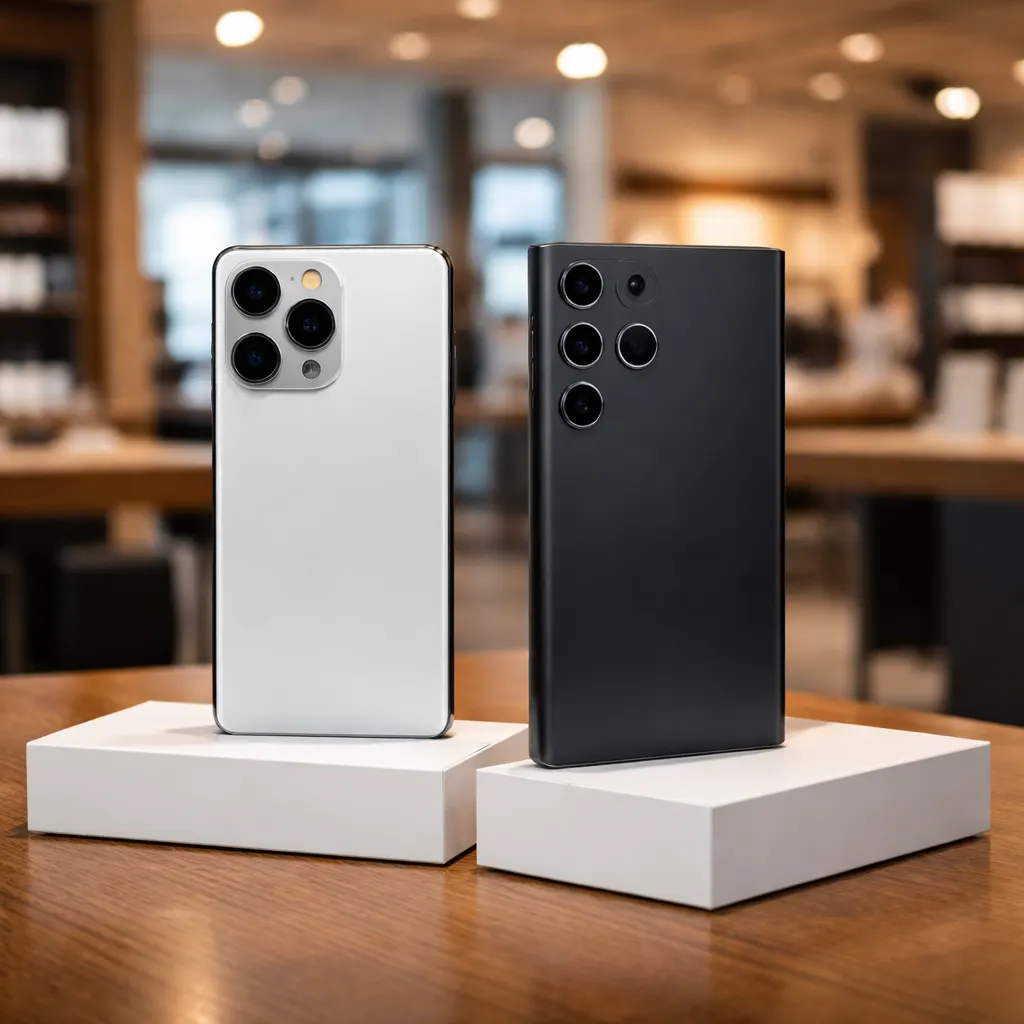
The average smartphone replacement cycle is expected to reach four years in 2026, up from 3.5 years in 2025, according to analyst firm Counterpoint Research in a report published this week by TechCrunch. As consumers hold onto their devices longer and premium phones become more expensive, Apple and Samsung are rolling out leasing and subscription programs designed to make upgrading more attractive. Apple this week launched Apple Upgrade in the U.S. through a partnership with Klarna, while Samsung continues its Galaxy Forever program in India, which pairs financing with guaranteed buyback offers.
The trend is especially visible in the United States, where owners of premium smartphones now keep their devices for an average of 42 months, up from 38 to 40 months in earlier years, market intelligence firm IDC reports. Rising prices driven by tighter supplies that push up memory and component costs, combined with incremental hardware improvements that keep older phones usable longer, have fueled the shift. That's given manufacturers fewer chances to sell new handsets while also shrinking the supply of devices flowing into the growing refurbished market. Carrier financing with interest-free terms of 36 months and aggressive trade-ins worth up to $1,100 have made the U.S. the region with the highest smartphone average selling prices, according to IDC senior research director Nabila Popal.
Max Weinbach, an analyst at Creative Strategies, told TechCrunch that "these programs fundamentally do not work unless a secondary market exists." He explained that the only way to keep a used or refurbished market alive is to ensure devices enter that market, and leasing plus guaranteed buyback programs make that possible. Tarun Pathak, research director at Counterpoint Research, said the primary goal is to boost customer lifetime value by improving retention, creating predictable upgrade cycles, and securing a steady pipeline of trade-in devices for certified refurbishment and resale. Apple CEO Tim Cook noted on Thursday's earnings call that the Upgrade program is meant to simplify access for customers who prefer upgrading regularly, adding that Apple's relatively high resale values suit the model well.
The economics of leasing depend heavily on how often someone upgrades. Matt Schulz, chief consumer finance analyst at LendingTree, said leasing can make sense for people who upgrade often, but those keeping phones for three, four, or five years are typically better off buying outright. Weinbach's analysis of Apple's new program found that consumers who already replace phones frequently could pay roughly the same amount, or sometimes less, than buying a device and trading it in later, especially for higher-storage models whose trade-in values don't always reflect their higher purchase prices. IDC's associate vice president of devices research, Navkendar Singh, said the real driver isn't shorter upgrade cycles but protecting margin and retention as pricing pressure mounts. Rather than simply pushing consumers to replace phones more often, brands are working to turn expensive smartphone purchases into predictable monthly payments that keep customers within their ecosystems.
What's changing isn't just the availability of financing—it's who controls the relationship. Smartphone makers are increasingly trying to own that connection themselves instead of leaving it to wireless carriers, who've long offered financing and upgrade plans tied to service contracts in the U.S. The shift has created openings for startups like India's BytePe, which reports that more than 80% of its customers choose subscriptions over outright purchases or traditional installment plans, and the UK's Raylo and Germany's Grover, which lease smartphones and other electronics through monthly subscriptions. Mandeep Manocha, co-founder and CEO of Indian smartphone trade-in platform Cashify, expects leasing, subscriptions, and outright purchases to coexist rather than replace one another, calling the potential shift from full ownership to leasing "a long journey." IDC's Popal predicts Apple's new Upgrade program will have a bigger impact on Mac sales than iPhones, suggesting it's more likely to broaden financing options than fundamentally reshape how Americans buy their next smartphone.