
Form Energy has developed iron-based batteries capable of storing electricity for 100 hours, far exceeding the four to six hours typical of industrial lithium-ion systems, according to a profile published by MIT Technology Review on October 6, 2026. The company is now scaling up production at its West Virginia facility and securing contracts for major commercial installations. The technology relies on what the firm calls "reversible rusting" to provide cheaper, longer-lasting storage than conventional batteries.
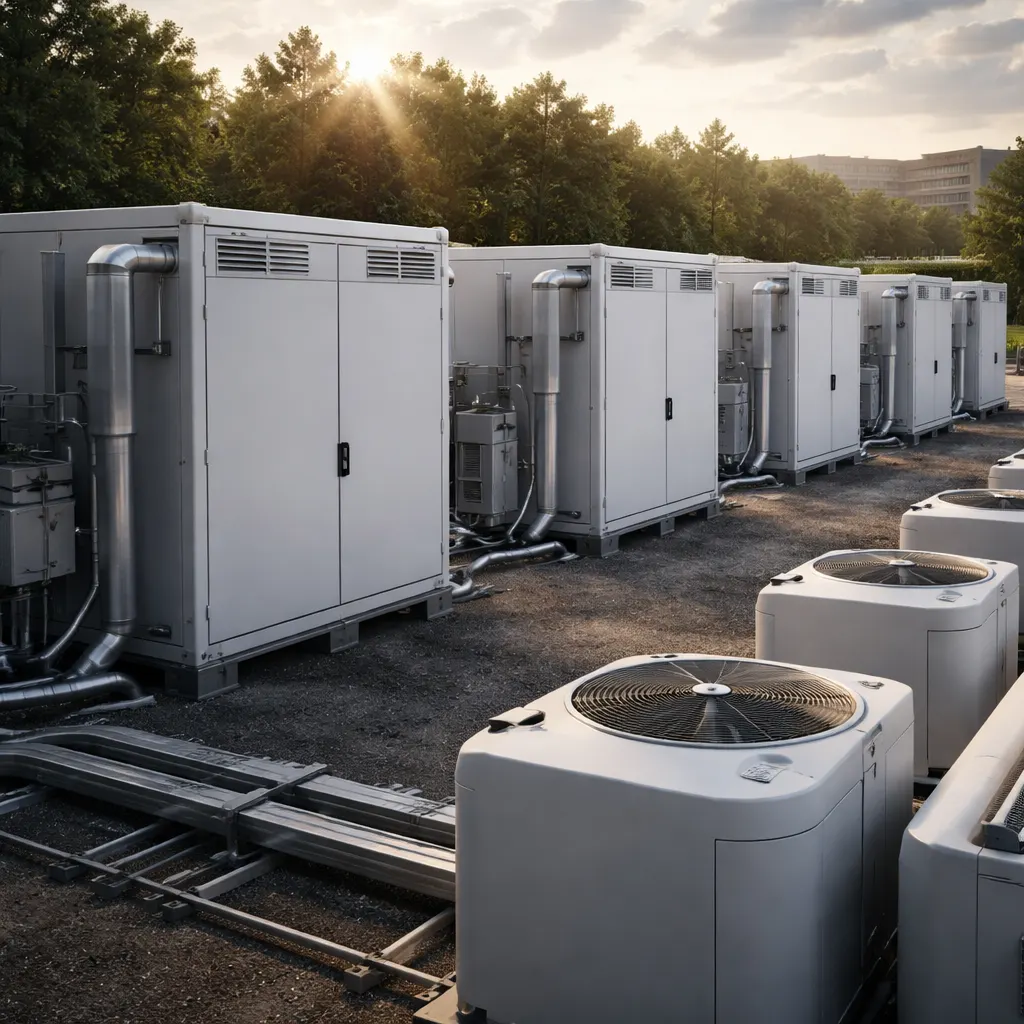
The Massachusetts-based startup began manufacturing batteries in the past two years for its inaugural commercial deployment, a 150 megawatt-hour installation for Minnesota electricity provider Great River Energy scheduled to start operating in 2027. Form has also inked a deal with Xcel Energy, another Minnesota utility, to supply 30 gigawatt-hours of battery capacity that will support wind and solar power feeding a new Google data center, with operations expected to begin in stages from 2028 through 2031. Once finished, that Google project could become the world's largest battery installation measured by energy capacity. Form's current factory output stands at 2 gigawatt-hours of storage annually, though the company has committed to delivering 80 gigawatt-hours through signed agreements. The batteries are housed in shipping-container-sized enclosures requiring one acre for every two to three megawatts, meaning the Google site alone would occupy space equivalent to at least 75 football fields.
The technology uses iron metal that reacts with oxygen from the air during discharge, producing rust and releasing electrons; charging reverses the process by converting rust back into metal. The report notes that Form declined to reveal current system costs but aims to reach $20 per kilowatt-hour, a price point that would make the batteries competitive with natural gas alternatives. According to the profile, the company announced new financing in August that brings its total capital raised, including federal and state grants, above $2 billion. Form is now outfitting its factory with additional equipment to scale manufacturing and work through its production backlog.
The batteries are designed to address multiday gaps in renewable energy supply, such as those occurring during heat waves, cold snaps, or extended periods with minimal sun or wind, which often force grid operators to rely on fossil fuel plants. The report emphasizes that while new solar and wind installations now generate power more cheaply than fossil fuels in most regions, their output fluctuates with season, time of day, and weather conditions. Iron-based storage could also help renewable sources meet surging electricity demand from AI data centers, which has already postponed coal plant retirements, prompted construction of new gas-fired facilities, and driven up consumer prices. The challenge remains that multiday storage systems demand substantial upfront investment yet frequently sit unused, making their economics uncertain. Form also faces competition from a nascent but crowded field including pumped hydropower, compressed gas, fuel cells, gravity-based devices, and flow batteries that store energy in liquid form.
The company's ability to deliver on its 80-gigawatt-hour pipeline will determine whether it can establish iron-air technology as a viable solution while scaling production from its present 2-gigawatt-hour annual capacity, the report states. Form is focusing on completing its first commercial project for Great River Energy and expanding manufacturing capabilities with newly acquired equipment. Whether utilities and data center operators embrace the technology at scale will hinge on Form proving both cost competitiveness and reliability in real-world deployments over the coming years. The success or failure of these early installations could reshape how grid operators think about replacing fossil fuel peaker plants, particularly as renewable penetration deepens and intermittency challenges intensify. If Form can manufacture at the promised scale and hit its cost targets, the technology might unlock a new tier of flexibility for grids struggling to balance clean energy ambitions with rising demand from both traditional consumers and the booming artificial intelligence sector.