
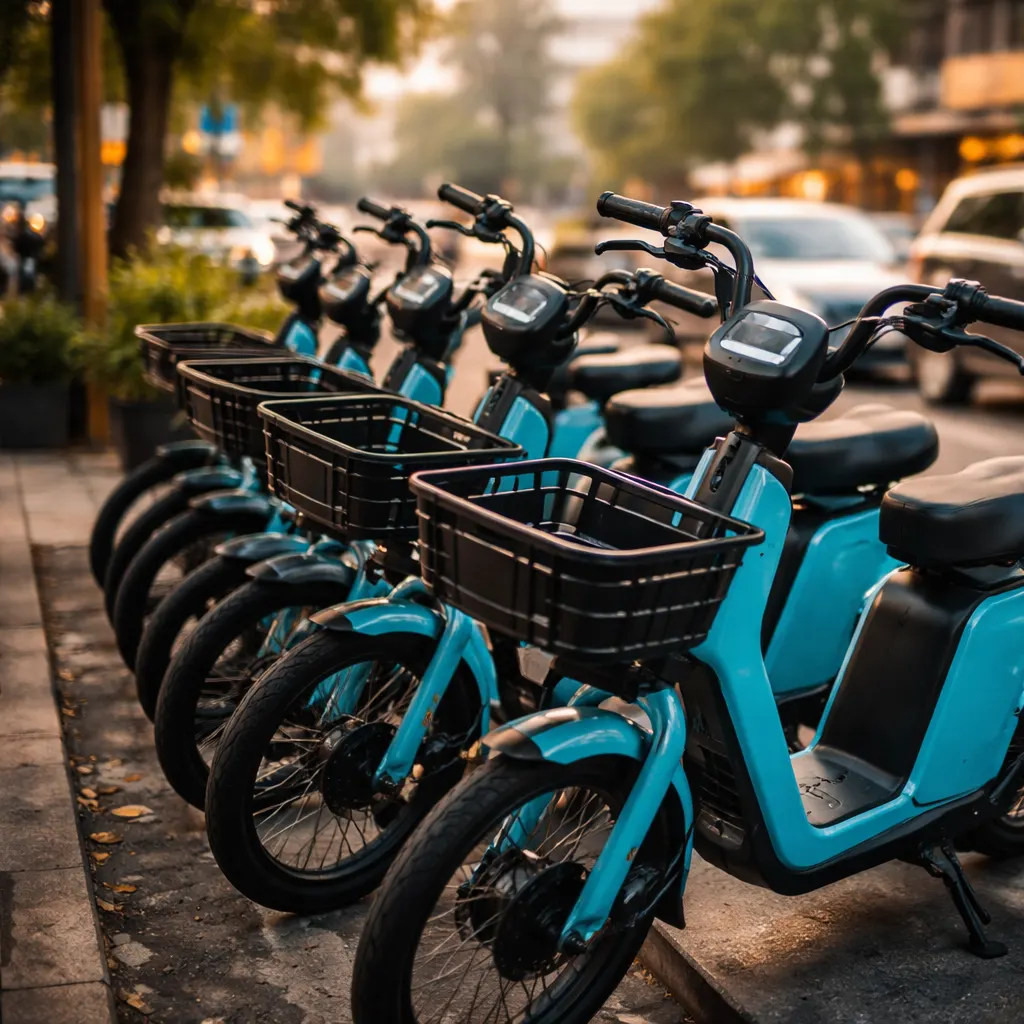
Bengaluru-based electric mobility startup Yulu has secured $93 million in fresh capital as India's quick-commerce explosion drives demand for rental electric bikes among delivery workers, according to a report published by TechCrunch on August 11, 2026. The funding will enable the company to quadruple its fleet from roughly 50,000 vehicles today to 200,000 over the next two years, targeting gig workers who need transport for deliveries but can't afford to buy their own bikes. The round consisted of $63 million in equity spearheaded by GEF Capital Partners and $30 million in debt.
Yulu currently operates around 50,000 electric two-wheelers and reports logging approximately 1.6 million zero-emission miles weekly, powering over 750,000 deliveries daily. The startup's revenue surged seven-fold between fiscal year 2023 and fiscal 2026, co-founder and CEO Amit Gupta told TechCrunch, though he didn't share exact figures. Of the $63 million equity portion, about $5.5 million went toward buying out seed investors whose funds were nearing the end of their investment life. People familiar with the transaction said the deal valued Yulu at roughly $170 million post-money, a figure Gupta declined to confirm but didn't dispute. Existing backers Bajaj Auto and Magna International sat out this round after waiving their pre-emptive rights, allowing GEF Capital Partners to secure its desired ownership stake.
Gupta told TechCrunch that about 95% of Yulu's revenue now comes from renting electric bikes to gig workers on weekly subscriptions, with the remaining 5% generated by its station-based rental service in Bengaluru. The company achieved positive EBITDA last financial year and expects to reach profitability before interest and taxes next year, he said. Gupta added that the startup anticipates this will be its final equity fundraising before an eventual public listing, with future fleet expansion financed mainly through debt and lease financing. The startup has also abandoned an earlier plan to sell bikes directly to consumers, focusing instead on the rental business that emerged during the COVID-19 pandemic when demand for food and grocery deliveries accelerated.
To capture longer-haul logistics opportunities its current low-speed fleet can't serve, Yulu is rolling out a full-sized, higher-speed electric scooter called Yulu Express, designed for e-commerce deliveries, bike taxis, and express parcel services. Roughly one-third of the planned 200,000-vehicle fleet will consist of this new model, Gupta said, with about 500 already running in Bengaluru and trials underway in three additional cities. While Bajaj Auto builds Yulu's existing low-speed fleet, the new high-speed scooter comes from a different Indian manufacturer Gupta declined to name. The startup currently operates in 12 Indian cities—running its own operations in Bengaluru, Mumbai, Delhi-NCR, and Hyderabad, while working with franchisees in eight other markets—and aims to reach approximately 20 cities within the next year, with Chennai and Pune among key expansion targets. Gupta said Yulu partners with nearly every major quick-commerce, food-delivery, and e-commerce platform, including Amazon and Walmart-owned Flipkart, though its customers are the gig workers who rent the bikes, not the platforms themselves, comparing Yulu's role to "the AWS of mobility" that supplies infrastructure letting delivery workers operate without third-party logistics providers taking a cut. The question for Yulu will be whether rental models can sustain margins in a capital-intensive business where both fleet maintenance and customer churn remain structural headwinds. If the startup can thread that needle, it may prove that the gig economy's infrastructure layer is as lucrative as the platforms riding on top.