
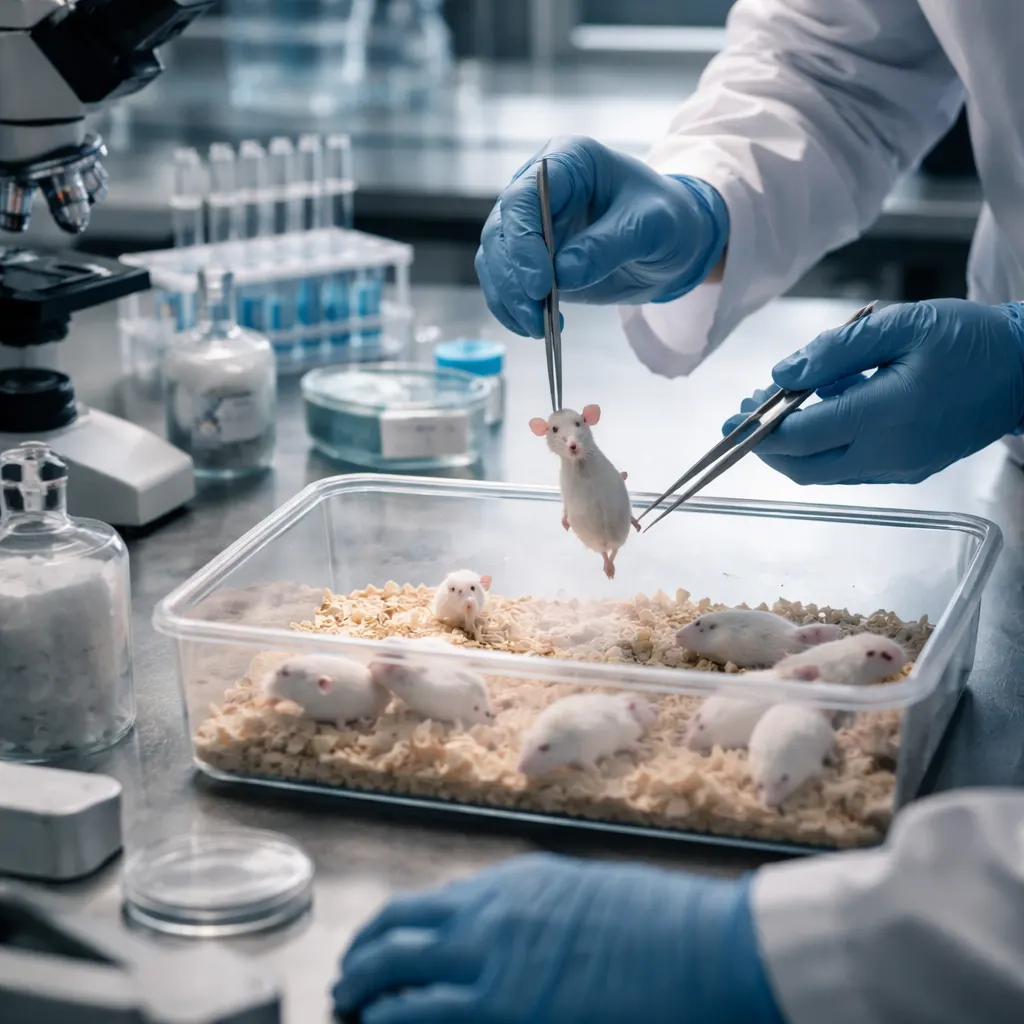
Researchers in Japan have successfully cloned mice using freeze-dried cells, a breakthrough they believe could aid conservation efforts for species on the brink of extinction, according to work by Ishiuchi and colleague Shogo Matoba of the Riken BioResource Research Center. The technique marks a significant advance in cloning technology, which has evolved considerably since Dolly the sheep became the first mammal cloned from an adult cell in 1996. The approach involves transferring the DNA-containing nucleus from an adult cell into an egg cell stripped of its own nucleus, creating an embryo genetically identical to the donor that can then be carried by a surrogate.
Cloning applications now range from livestock replication to pet duplication, with companies charging tens of thousands of dollars to clone deceased pets for celebrities including Barbra Streisand and Tom Brady. Conservation-focused cloning has enabled scientists to create replicas of nearly extinct animals like black-footed ferrets and Przewalski's horse using tissues preserved in "frozen zoos"—facilities such as the San Diego Zoo's collection, which currently stores cells from over 1,300 species. In 2009, Spanish researchers cloned a Pyrenean ibex using skin cells frozen a decade earlier, producing 439 embryos that yielded one female birth, though she died minutes later from a lung defect. The biotech company Colossal Biosciences is now attempting to resurrect long-extinct species including the thylacine and woolly mammoth using ancient genetic material.
One bioethicist, Jessica Pierce, has characterized dog cloning as "the exploitation of the canine underclass," particularly since the procedures require egg cells from other animals and surrogate carriers despite lacking medical or environmental necessity. According to the article, while human cloning is technically possible, no confirmed cases exist, though one biotech startup founder has proposed creating "brainless clones"—human replicas without brains that could serve as organ sources for transplants. The Pyrenean ibex holds the unfortunate distinction of being the only known animal to go extinct twice.
The case for cloning strengthens considerably when environmental value is at stake, with preserved animal tissues collected decades ago now enabling scientists to potentially reverse extinction for endangered species. The article notes that scientists have accomplished substantial work with cloning over recent decades, though uncertainty remains about future developments in the field. Cloning's expansion from agricultural improvement—which farmers achieved through selective breeding over millennia—to conservation and even hypothetical human applications reflects both the technology's versatility and its ethical complexity. As cloning techniques continue advancing, the tension between scientific possibility and moral acceptability will likely intensify, forcing society to weigh the benefits of preserving biodiversity against the risks of reducing animals to reproductive resources.