
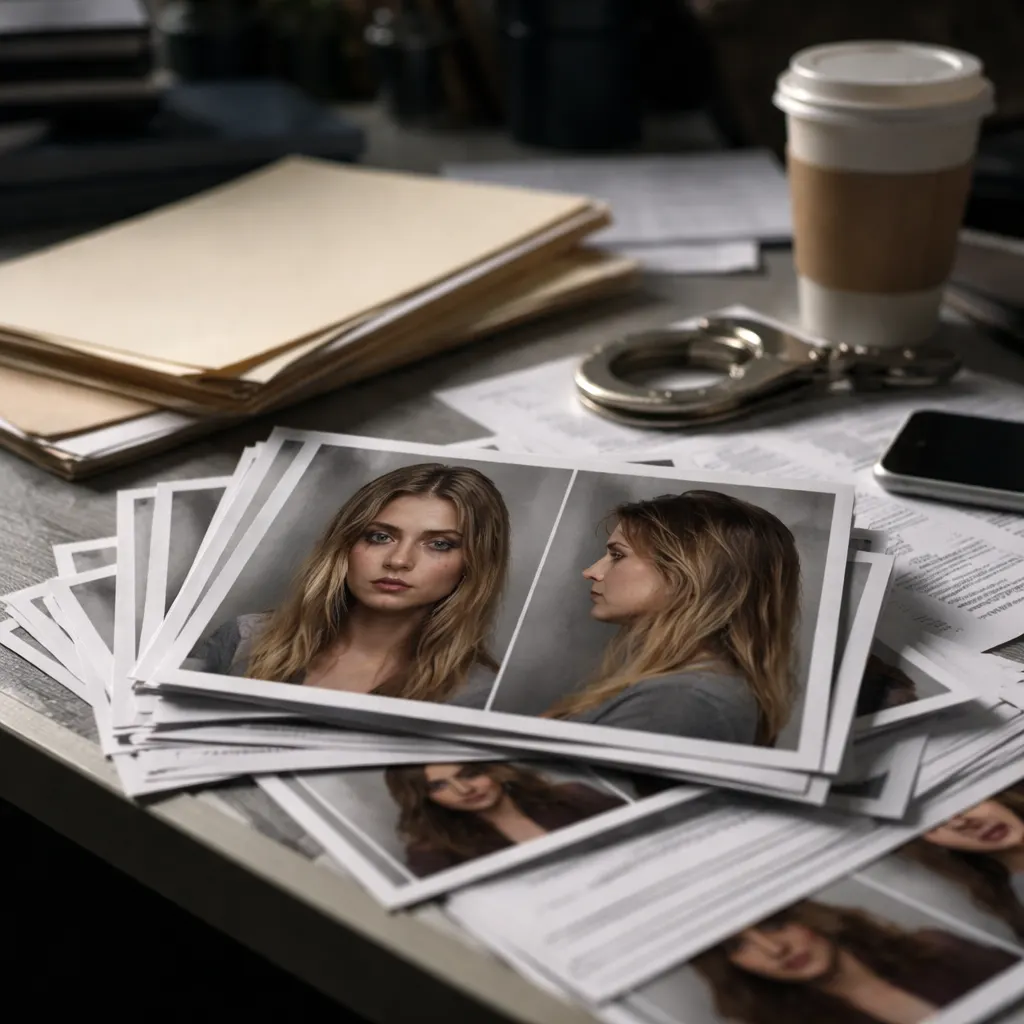
A popular Instagram account called Mugshawtys, which posted mugshots of young women often framed as thirst traps, amassed approximately 1.8 million followers before being removed by Meta and TikTok last week, according to a WIRED investigation published recently. The report documents how these viral mugshot pages have subjected women to prolonged harassment and privacy violations, turning minor legal incidents into lasting public spectacles. Women featured on the accounts face thousands of sexually explicit comments, misogynistic jokes, and character judgments that persist long after their arrests.
The investigation traced the story of Megan Davis, a 23-year-old Texas woman whose August 2025 public intoxication arrest—which resulted in an overnight jail stay and a $450 fine—turned into a viral sensation after her mugshot appeared on multiple platforms. Her image was first shared on a Facebook page called SayCheese Brazos County Mugshots & Arrests, then became part of a fabricated story claiming she was an Olive Garden server arrested for throwing breadsticks at customers. On October 12, 2025, her photo landed on Mugshawtys, where it generated thousands of comments. The arrest occurred roughly one month after Davis' biological mother died from a drug overdose. Nearly a year later, she continues dealing with the aftermath of her mugshot's viral spread.
The report reveals that Mugshawtys was launched approximately ten years ago by Josh Jeffery, a 31-year-old California electrician, and attracted a devoted base of primarily male fans who scour arrest records and mugshot websites to submit photos. The brand gained one million followers after appearing on Joe Rogan's podcast last year, Jeffery told WIRED, and also maintained 19,000 Facebook followers plus nearly 500,000 on X. Within the past week, following questions from WIRED, both Meta and TikTok disabled Mugshawtys accounts on their platforms, with a Meta spokesperson stating the account violated multiple policies. Jeffery claims he's friends with some featured women and encourages followers to contribute to their bail or legal costs, asserting that many go on to launch OnlyFans or content creation careers—though the pages are filled with sexual fantasies and degrading commentary.
The investigation highlights how these accounts exploit a fundamental gap in privacy protections around arrest records. Comments under posts include men rating women's appearance with terms like "mid" and "6 at best," while one post from last summer showed a woman in an apparent anti-suicide smock being held by a jail official, with her charges mislabeled and the case ultimately disposed. Many commenters appear unaware that a mugshot doesn't indicate guilt. The report documents how Davis experienced what she describes as being "dragged through the mud," despite taking "full accountability" for her actions, questioning where society will establish boundaries between social media exposure and individual privacy. The platforms' recent enforcement actions suggest tech companies are beginning to recognize the harm these accounts inflict, though thousands of similar pages remain active across social networks. The question of whether policy changes will protect future subjects from similar exploitation remains unanswered, particularly as arrest records stay publicly accessible and new accounts can easily emerge. For business leaders and platform operators, the case illustrates a persistent tension between user engagement mechanics and ethical guardrails—one where moderation often arrives only after external scrutiny forces action.